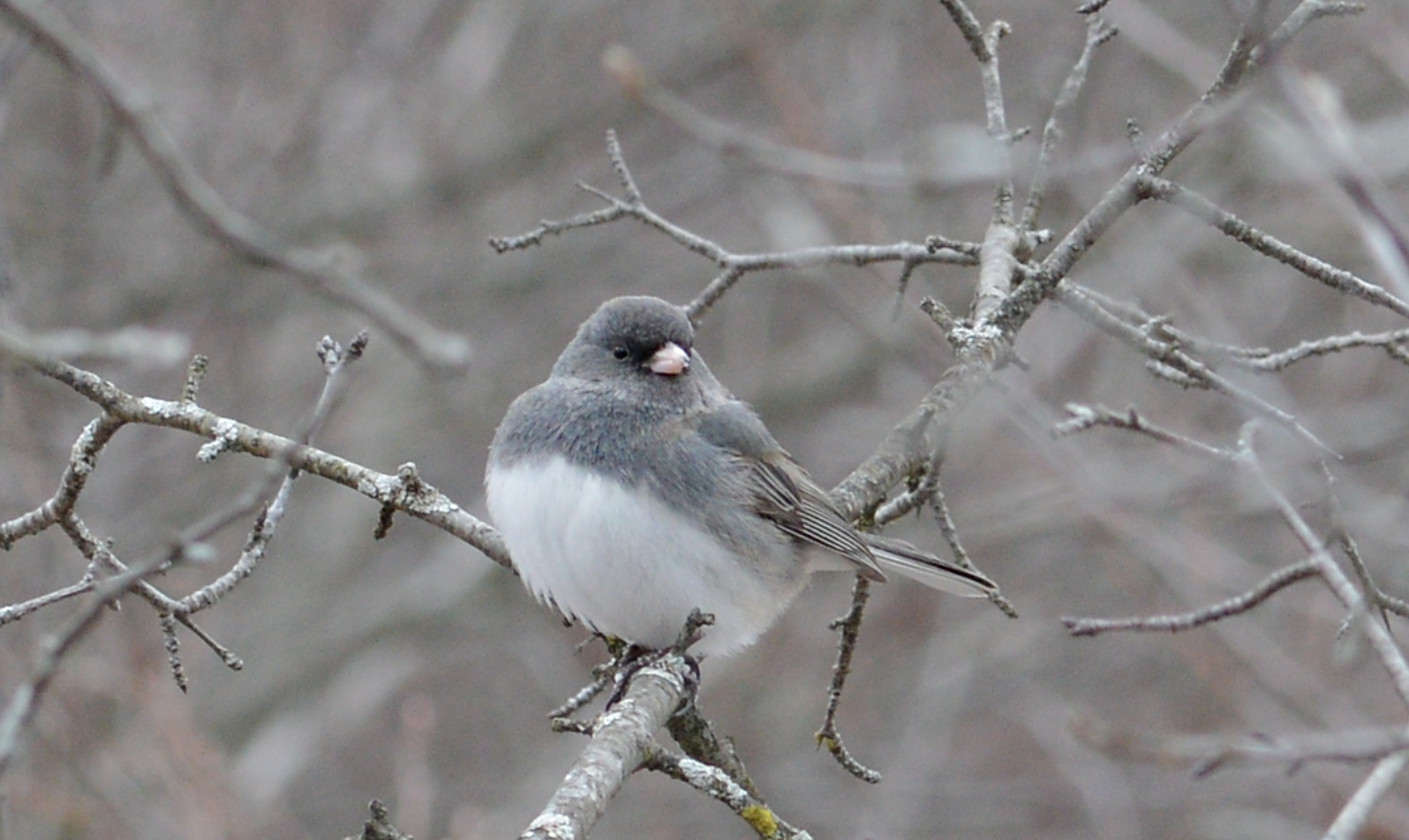
All winter long a chittering of juncos forage for seeds under a maple tree, hopping on short, slender legs, their pink beaks pecking in snow or leaf litter. Tilting heads from side to side, bright black eyes always alert for hawk’s shadow, ready to flutter for cover in an instant melting into a gray and white world.
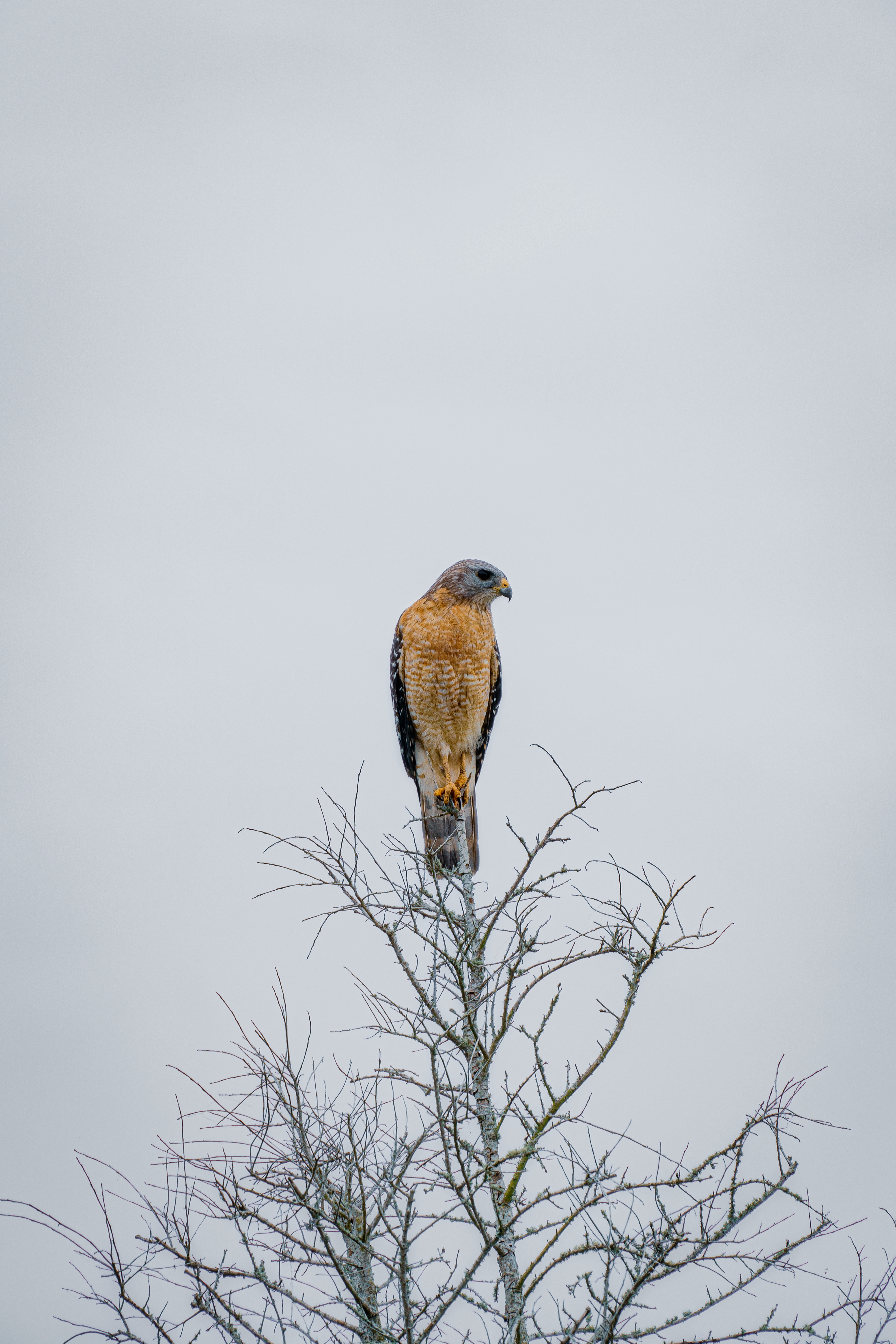
Today’s letter is H, and because H is for hope and also for hawk, I’m going to mix things up a bit. Today I’m using Natalie Babbitt’s “Delicious is…” format, defining hope using an acrostic about my neighborhood hawk.
Hope is…
Hawk, sitting still as a statue Atop an old snag Waiting, watching, her Keen eyes peeled for her next meal.
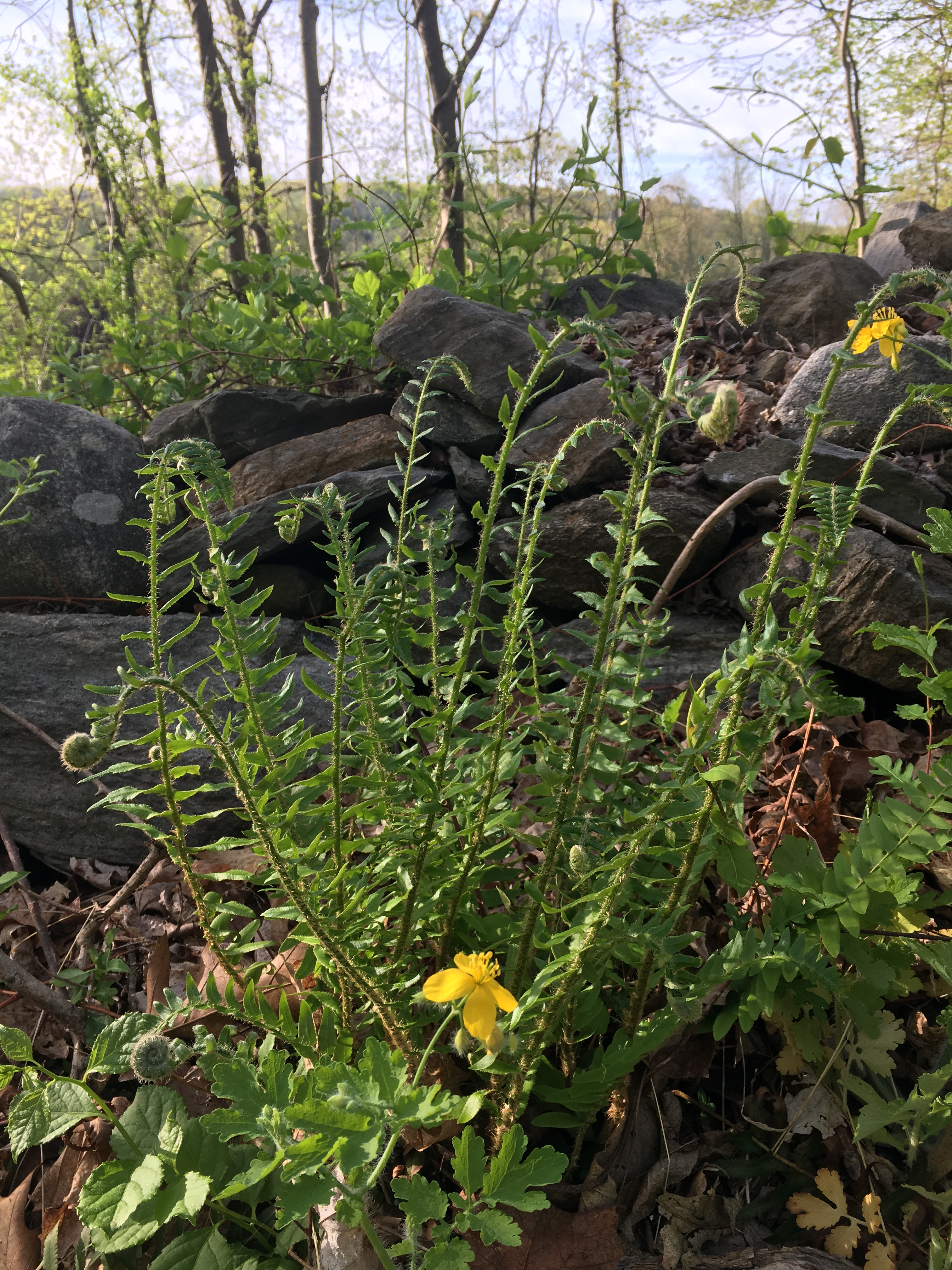
Spring break has begun! The last few weeks have been a whirlwind, and I’m looking forward to having time to catch my breath. Somehow I have managed to keep up with my poetry project. Because it’s the first Friday of the month, it’s also the Inkling challenge. This month, Mary Lee randomly chose these words: knuckle, denial, turn, cautious, then asked us to “use three or more …in a poem.” At first, I had no idea how I was going to work these words into a poem about hope and keep the alphabet pattern I’m using. But I kept thinking. When I was scrolling through photos on my phone, looking for something else, I found this:
Problem solved! My plan for this project wasn’t completely clear when I began, but I have decided to try to write about plant or animal species native to my area. This picture was taken on a walk last spring. I also have been playing with different forms. A Fib seemed like a natural fit for a poem about ferns. Today’s poem is a variation, beginning with one syllable, building to eight, then working back to one syllable.
Ferns, green spirals, uncurl like a fist, cautiously at first, one knuckle at a time, then swiftly turning into a wide sail, soaking up sustaining light from the sun
Please be sure to visit my fellow Inkling, Margaret Simon at Reflections on the Teche, for this week’s Poetry Friday Roundup AND the next line in the Progressive Poem. Then check in with the rest of the Inklings to see how they responded to Mary Lee’s challenge.
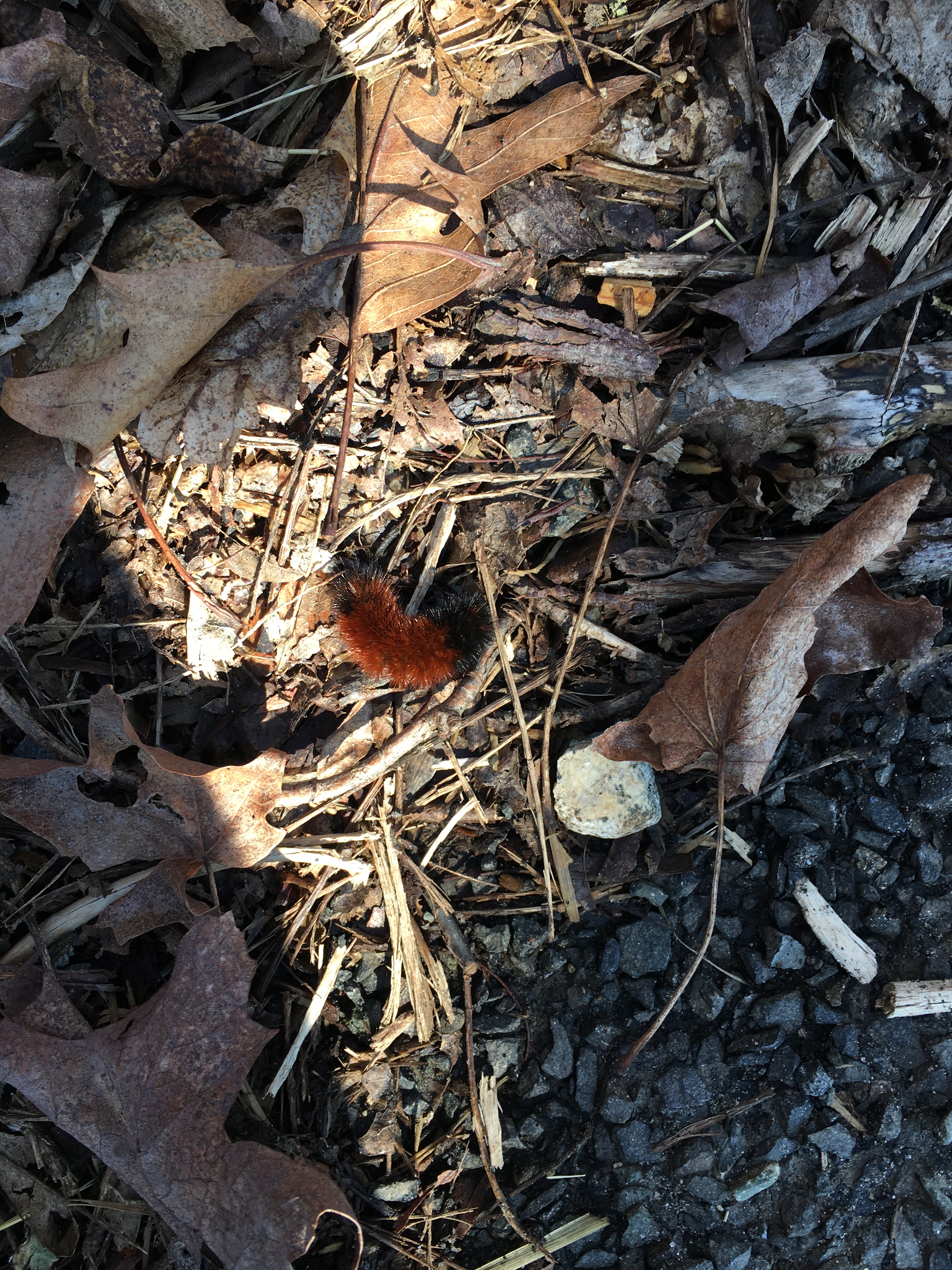
each spring woolly bear caterpillars creep out from under logs and leaves, their winter hideaways, ready to spin a bristly cocoon, transforming themselves
into creatures of the night sporting creamy spotted wings: isabella tiger moths
Happy National Poetry Month! Spring is not completely sprung here in western Connecticut, but the Weather Channel assures me it’s coming. I’ve been preoccupied with many responsibilities over the past few months, which left me with very little time or energy to devote to writing. But while I was brainstorming ideas for our Read Across America celebration, I came across a reference to Q is for Duck, by Mary Elting and Michael Folsom. One thought led to another and my idea for NPM was hatched.
I don’t know about you, but I’ve had a difficult time wading through what seems to be an endless stream of bad news. It hasn’t been good for me and I’m working very hard to tune out much of the negativity. With this in mind, I decided to use Q is for Duck as a model and, during April, write short poems about different things that are hopeful. I may switch things up from time to time and use Natalie Babbitt’s The Search for Delicious format (Delicious is…). Right now I’m keeping my options open.
Although it’s Saturday, I’m sticking with the etheree I wrote for the Poetry Sister’s March Poetry Friday challenge as an introduction to my NPM project. Happy April, everyone!
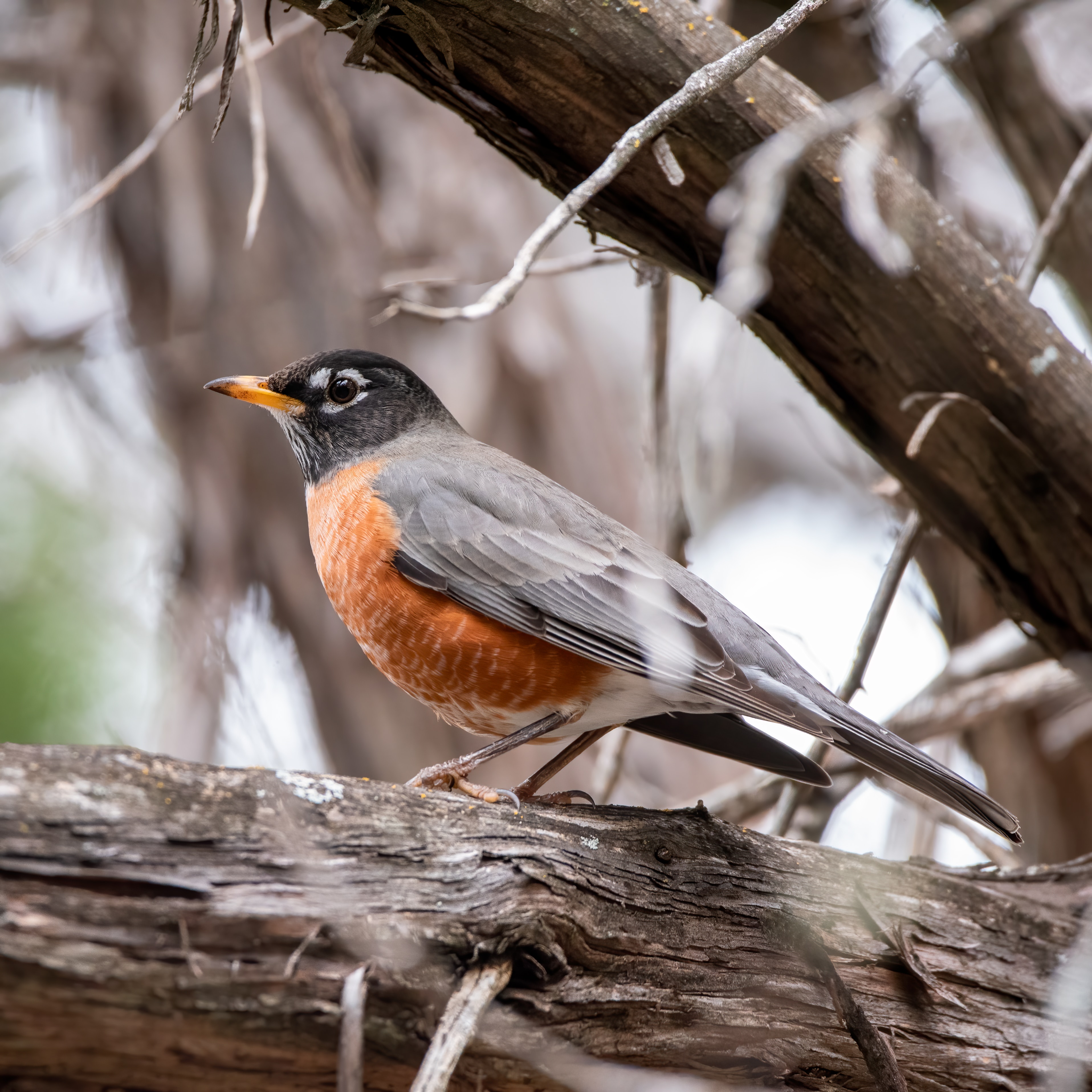
I am done with despair. Instead, I’ll kneel in the softening Earth, roused from winter’s deep slumber by sun’s strong rays and thirst-slaking showers; revel in violets and clover, listen in as robins chirp a melody of hope.
This month I have been writing poems in response to the ideas, connections and echoes between All We Can Save: Truth, Courage, and Solutions for the Climate Crisis, edited by Ayana Elizabeth Johnson and Katharine K. Wilkinson and Rooted: Life at the Crossroads of Science, Nature, and Spirit, by Lyanda Lynn Haupt. I’ve focused more on Rooted and the fundamental beliefs, or tenets, that are at the heart of rootedness. Like countless poets and scientists before her, Haupt knows that “poetry and science intermingle.” They “bring depth and knowing to one another–all mingle as co-expressions of a wild earth.” (p.24)
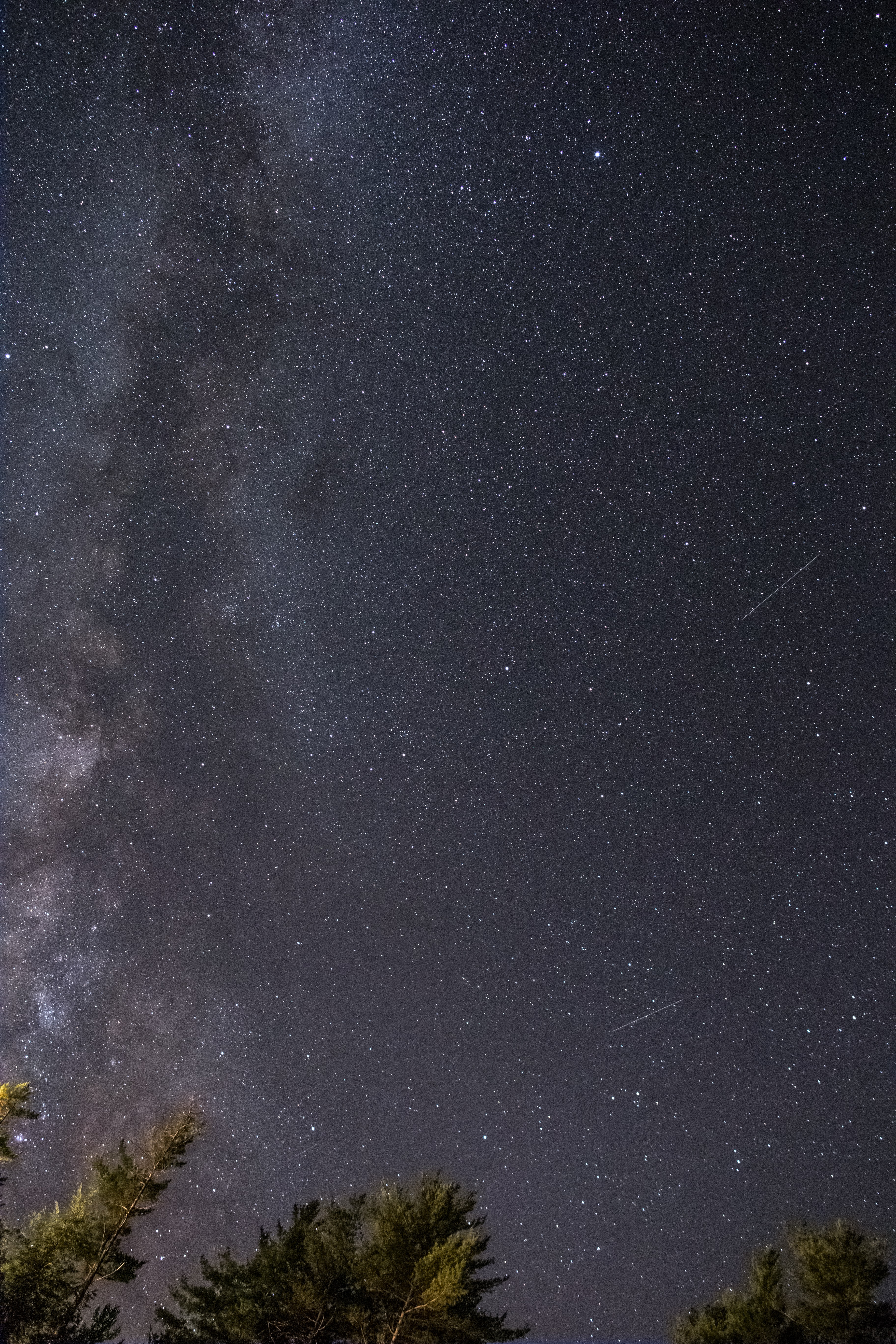
Poets and scientists have been inspired by the mysteries of the universe since the dawn of time. All living creatures are guided by the natural cycle of light and dark created by earth’s rotation and orbit around the sun. But we are disrupting these rhythms by leaving the lights on. Mounting evidence makes clear that this disruption is harmful both physically and mentally to humans, plants, and animals. The International Dark Sky Association has declared this week “Dark Sky Week.” There are simple steps we can all do to eliminate much of the light pollution that threatens us. Let’s start by turning off the lights.
Skyglow
Once guided by the stars above we’ve lost our celestial map, its compass rose erased by bright skyglow.
Warblers, winging northward, confused by all this light, are steered off course, crash into glass and steel instead of settling into soft nests.
Creatures of the night exposed: No shadows to hide in or darkness alerting frogs and toads its time to serenade their sweethearts.
One more balance we’ve disrupted. Another threat to harm us all. How will we find our way forward if we look up and see nothing, nothing at all?

 Reading to the Core