SOLC 2013 14 of 31: Distant Dreams

Image

Can I say again how incredible this Challenge is and how grateful I am to be participating? People are writing amazing, beautiful stories. My only regret is that I really only have time to read a fraction of them. One of the blogs that I’ve discovered through SOLC is Kelly Mogk’s Project Chameleon. On Tuesday, Kelly shared Brigit Zinn’s heartbreaking story. She also talked about having unclaimed writing dreams that, for whatever reason, we are not fulfilling; goals that we’re not even working toward fulfilling.

This inspired me to back through my notebooks to see what was languishing there. Something for a story? The first lines of a poem?

I found this, written on Jan. 16, 2011

Writing exercise via The Huffington Post: Pick the 7th book from your bookshelf, open to the 7th page, find the 7th line, then write a 7 line poem that begins with that line.

The 7th book: The Planets, by Dava Sobel (Viking, 2005).
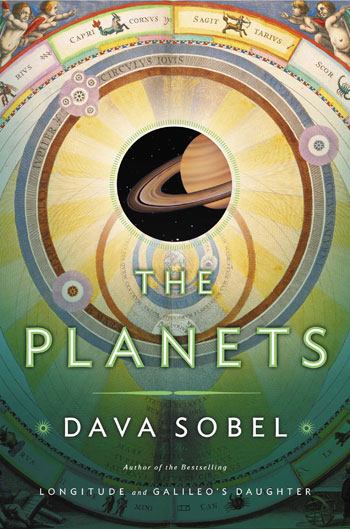
sobel_dava_planetscover2

The 7th sentence on the 7th page:  “Even though Pluto remained unexplored, deemed too distant and too difficult to visit, it’s own unexpected moon was discovered accidentally in 1978, through careful analysis of photographs taken by ground-based telescopes.”

Rather unwieldy for a poem. However, I think “too distant and too difficult” has possibilities.

Too distant are you from me now;

Our hearts diverged long ago

Too difficult the journey back

Your dreams led down a different path

Back to today. This feels unfinished, but I don’t think I would change what’s already here. Will I make the time today to work on this poem? It’s unlikely. Over the next week? Maybe. But now it’s back in my head, and I can think about it. I can try to follow it to the end of its path.

Thank you to Stacey and Ruth at Two Writing Teachers for hosting this Slice of Life Challenge!
Slice 2013 13 of 31: Love It or Loathe It

Image

Last week I worked with two reluctant writers in an after-school support program. Their regular teacher had a family emergency just an hour or so before the end of the day, and was in quite a panic. I told her not to worry, to go home and I would take care of her students. After she left, I had a brief “What was I thinking?” moment, then realized that I knew exactly how we’d spend the hour.

Image

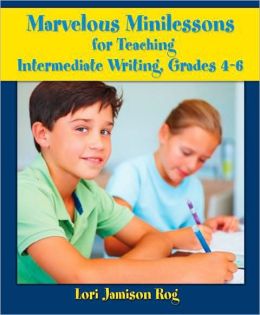
I recently bought a copy of Marvelous Minilessons for Teaching Intermediate Writing, Grades 4-6, by Lori Jamison Rog (International Reading Association, 2011). In the first chapter, Rog provides a concise but thorough overview of the writing workshop. The rest of the book is organized by topics such as prewriting, elaboration, craft, and specific genres. The chapter on prewriting had an activity that I was sure would engage these students. They both loved to talk and had plenty to say, but had difficulty getting their thoughts down on paper.  “Love It or Loathe It” is essentially a two column chart that allows students to generate lists of things they really love or really loathe. As we know, and as Rog points out, “the best writing comes from topics that a writer feels strongly about” (p. 33). To help them get started, I shared my “Love It or Loathe It” list.

        Love It       Loathe It
  • my family
  • my dog, Lucy
  • my cat, Noodles
  • chocolate
  • reading
  • writing
  • knitting
  • walking
  • swimming
  • baking
  • injustice
  • meanness
  • being wasteful
  • bitter foods, olives in particular
  • being late
  • not having enough time to read more books
  • living 7 hours away from my son & daughter-in-law
  • procrastination

It took them a few minutes, but once they got started, they produced quite a lengthy list. We had a lively conversation around their topics, with an item from one student’s “Love It” list reminding the other of something they loathed. After about 10 minutes, they chose a topic to write about. When the hour was up, they didn’t want to stop and took their writing home to keep working. That’s the way I love to end a lesson.

What do you love? What do you loathe?

Thank you to Stacey and Ruth at Two Writing Teachers for hosting this Slice of Life Challenge!
Slice 2013 12 of 31: Revisiting a Classic: Miss Rumphius

Image

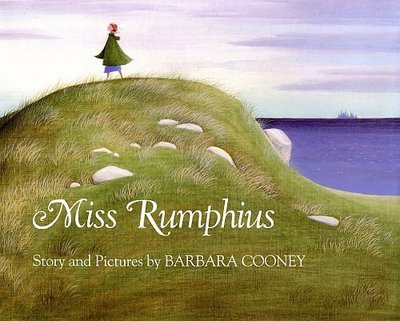
This afternoon I spent some time developing a unit of study on characterization for 3rd grade. Common Core Standard 3.3 states that students will “Describe characters in a story (e.g. their traits, motivations, feelings) and explain how their actions contribute to the sequence of events.” We currently use William Steig’s Brave Irene to introduce the idea that readers learn about characters by noticing their actions, their thoughts, and what they say. For now, we’re not going to change this. The CC standard goes deeper, though. Examining a character’s motivations isn’t something we’ve taught before. Thinking about how a character’s actions contribute to the sequence of events sounds like cause and effect, but this can be challenging for third graders. I know we’re going to have to model this more than once, and provide lots of opportunities for students to practice this deeper thinking.  With this in mind, I went through a shelf of picture books looking for another appropriate text and found Miss Rumphius, Barbara Cooney’s gorgeous story of a woman who wanted to make the world a more beautiful place. This book is one of my all-time favorites. I lived in Camden, Maine for two summers during college, and I have vivid memories of driving down Rt. 1 for the first time and seeing all the lupines growing wild. Needless to say, I think this book is an ideal choice to share with students to address this or any other standard.

Image

I did check the Lexile level (although I have many misgivings about this metric; more about these in another post) and Miss Rumphius, with a Lexile level of 680, is within the 2-3 grade level band. I also used the “Qualitative Measures Rubric” for literary text to evaluate the story in terms of its meaning, text structure, language features, and knowledge demands. As is often the case with rubrics, it was difficult to pinpoint where this narrative falls. Miss Rumphius is a frame story, which increases its complexity. Yet the story within the frame is told chronologically. There is some archaic vocabulary. Students are probably unfamiliar with words such as “stoop,” “figurehead,” and “prow.” Allusions to the cultures of the far-off lands Miss Rumphius visits also increase the complexity level of this story. After going through this process, I felt my instinct to use Miss Rumphius was validated. It may seem that this was a waste of time, but, as Lucy Calkins pointed out in her closing remarks at Saturday’s TCRWP Reunion, teachers have to build their knowledge base about the CCSS. Being familiar with this qualitative rubric is critical if we are to keep appropriate books in the hands of our students. Relying on Lexiles alone would be dangerous and unacceptable.

Will subjecting this beloved story to lessons based on the CCSS ruin it? Only if we let it. Again, if we know what the standards say, and design lessons that incorporate best practices to meet them, our students should be able to gain deep insight into a character who is generous and warm-hearted, motivated by her desire to have adventures, and to fulfill her grandfather’s directive to “make the world more beautiful.”

Thank you to Stacey and Ruth at Two Writing Teachers for hosting this Slice of Life Challenge!
Slice 2013 11 of 31: It’s Monday! What are You Reading?

Image

Over the past few days, I’ve been exploring picture books related to anti-bullying for teachers to use as we continue to promote the theme of kindness.

Image

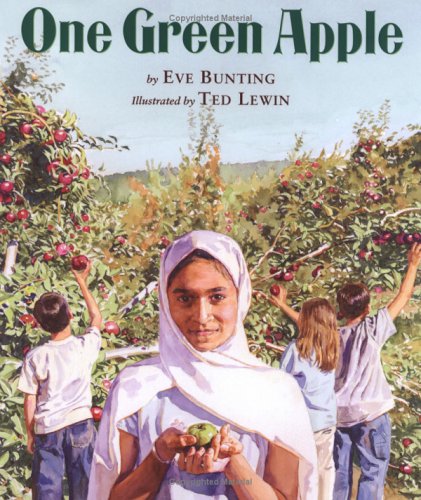
One Green Apple (Clarion Books, 2006), by Eve Bunting and illustrated by Ted Lewin is the story of Farah, a girl who’s recently emigrated to the United States. She doesn’t speak English and has just started school, where some students have been less than welcoming.

 Image

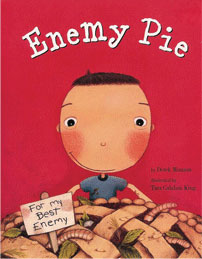
In Derek Munson’s Enemy Pie (Chronicle Books, 2000), illustrated by Tara Calahan King, Jeremy Ross is the new boy, and the boy next door has decided he’s the enemy. Dad has just the solution to get rid of enemies. Over the course of the story, the boy learns not to make up his mind about people before getting to know them.

Image

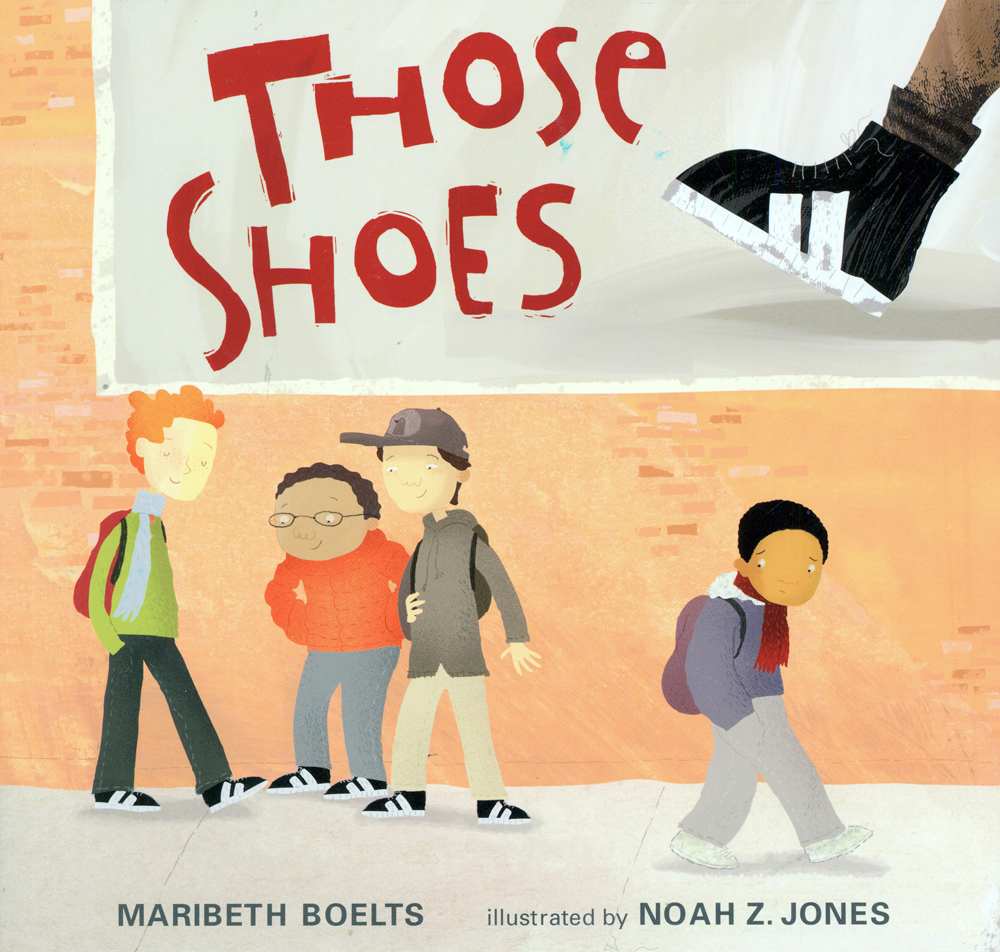
In Those Shoes (Candlewick, 2009), by Maribeth Boelts and illustrated by Noah Z. Jones, Jeremy wants the same cool shoes as all his friends, but his grandma tells him they only have room for need, not want. Jeremy is determined to find a way to get his shoes, but he finds out something about himself instead.

Image

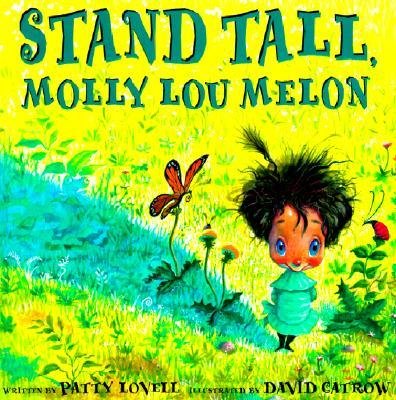
Molly Lou Melon is the star of Stand Tall, Molly Lou Melon, by Patty Lovell and illustrated by David  Catrow (Putnam, 2001). She isn’t like the other children, but that doesn’t stop her from enjoying herself every minute of the day.

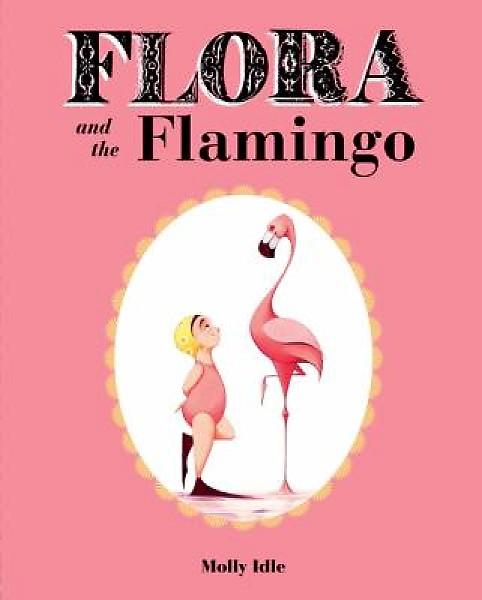
ImageMolly Idle’s Flora and the Flamingo (Chronicle Books, 2013) deserves all the praise it’s received since its publication. This wordless picture book is a joyful pas de deux between two unlikely friends.

If you’re looking for similar books, an extensive list can be found at Storytime Standouts and at the Massachusetts Reading Association. Check out what others are reading today by visiting Jen and Kellee at Teach Mentor Texts.

Thank you to Stacey and Ruth at Two Writing Teachers for hosting this Slice of Life Challenge!
Slice 2013 10 of 31: Priorities

sols_6

I’m feeling a little overwhelmed by all that I want to accomplish today. My solution to this? Read, of course! In this case, this morning’s slices and other interesting blogs and articles from my Twitter feed.

Without question, the best thing about participating in SOLSC is meeting new people. I feel so fortunate to be part of this smart, creative community. So I shouldn’t be surprised that the way forward could be found by reading their blogs. Bonnie, at blkdrama, confirmed that I wasn’t alone in having lots to do, but really wanting to just sit and read. Reading Angela’s post about her notebook and all its contents brought on the light bulb moment, though. Of course I make lists all the time. They’re pages long, filled with tasks and chores that would take months to finish. So today I’m categorizing and prioritizing this list, choosing the most pressing item in each category (work, home, cleaning) and trying to finish those.

Work: I’m currently developing 4 units of study with colleagues. This process is challenging during the school year, as we all have students to teach, meetings to attend, and daily plans to write. The first step in our planning is to meet and discuss the unit’s broad goals and objectives. We also look at what we’ve been teaching in the past, what materials we’ve used, as well as what materials we have that could be incorporated into the new unit. Then I create the documents that spell all this out, and we meet again to revise, clarify, etc. Today, I must get the 2nd grade character unit outline finished.

Home: This category includes things like paying bills, writing birthday cards and notes, getting packages ready to mail, and making appointments. The woman who prepares our taxes is coming on Tuesday, so all those documents have to be organized. Before Tuesday.

Cleaning: I don’t include laundry or daily dishes in this category. Those jobs just have to be done. These are chores like dusting and vacuuming, which I really don’t hate. They just take too much time. I do have a couple of tricks that help me get them accomplished. Listening to an audio book is a must while cleaning. I also find that if I work for about half an hour, and then take a short reading break, I’m much more productive. Prioritizing by asking “what would I be most mortified about if someone dropped in?” is a huge motivator.

I’m really not this organized, but writing this, like reading the blogs above, has helped me formulate a plan. My family isn’t listed here. They just always come first. Notice that writing isn’t included either. Trust me, I’ll be writing more today. I’ll also be reading. That’s just a given.

Thanks to all of you, for all your inspiration (and for reading these rambling thoughts). Hooray for us all for getting to day 10!

Thank you to Stacey and Ruth at Two Writing Teachers for hosting this Slice of Life Challenge!
Slice 2013 9 of 31: My Day at Teachers College Saturday Reunion

Image

This morning, I left my house at 5:30 and drove to Teachers College at Columbia University for their spring Reading and Writing Project Saturday Reunion. I spent the day with thousands of dedicated teachers soaking up the wisdom of the amazing presenters. Because I am now quite tired, here is my day in pictures.

Image
The sky was just beginning to lighten when I pulled out of my driveway.
Image
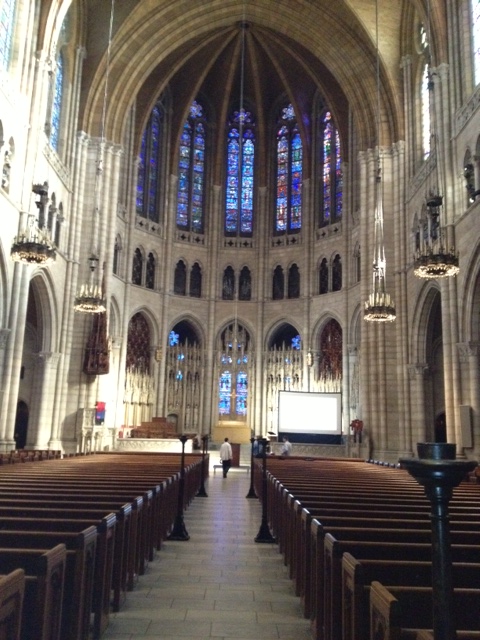
The Nave of Riverside Church when we arrived.
Image
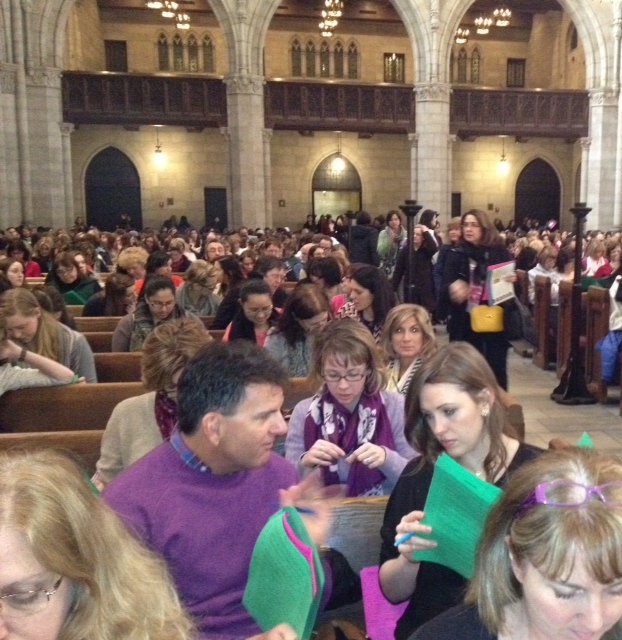
People choosing which sessions to attend as the Nave fills up.
Image
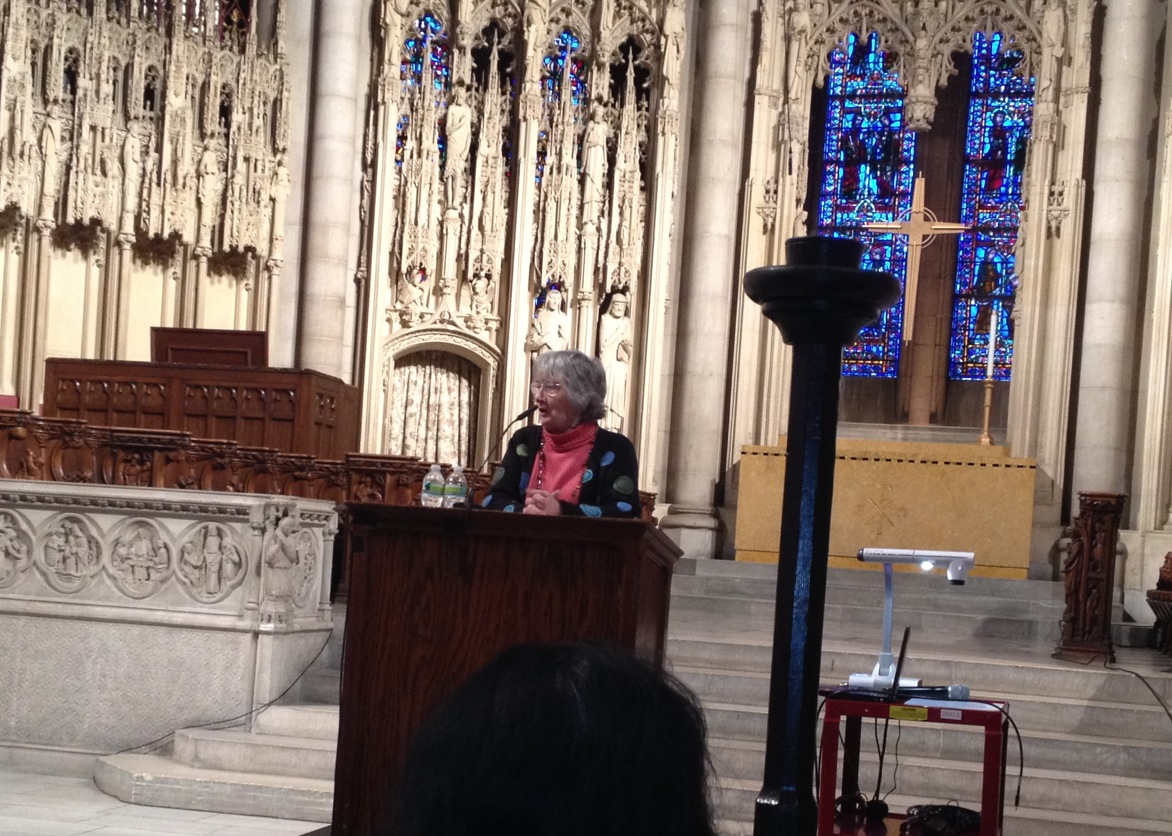
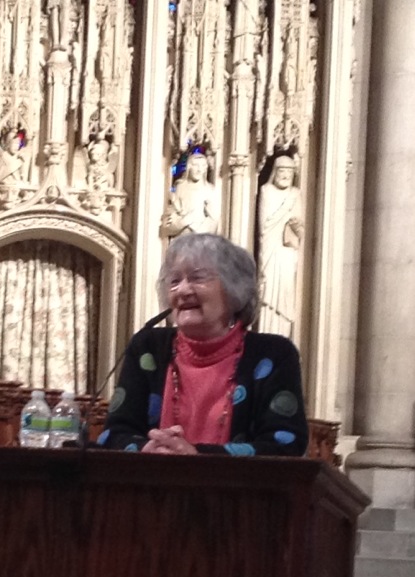
Katherine Patterson begins her keynote address, “The Richness of Creation”
Image
“In this bleak time, what our children need is beauty.” Katherine Patterson
Image
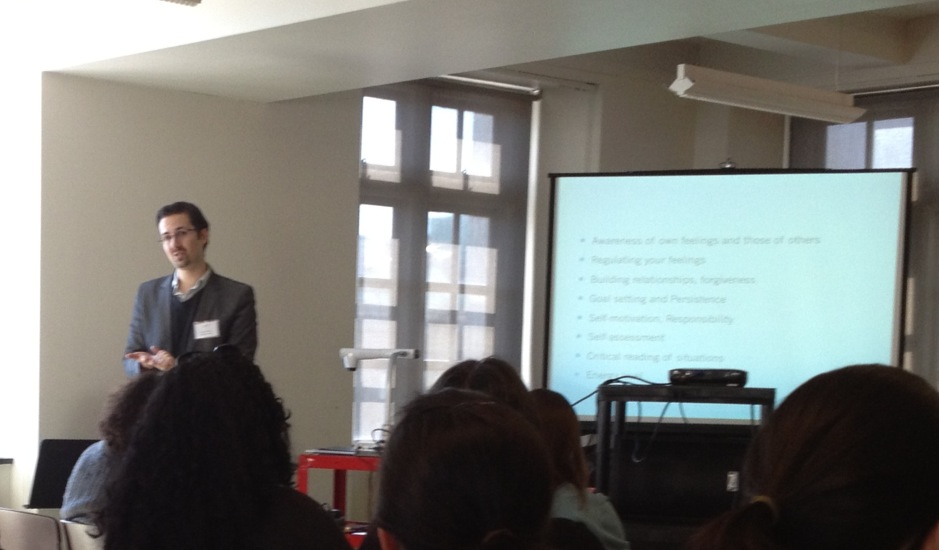
Chris Lehman urging us to use our literature instruction to build social emotional skills.
Image
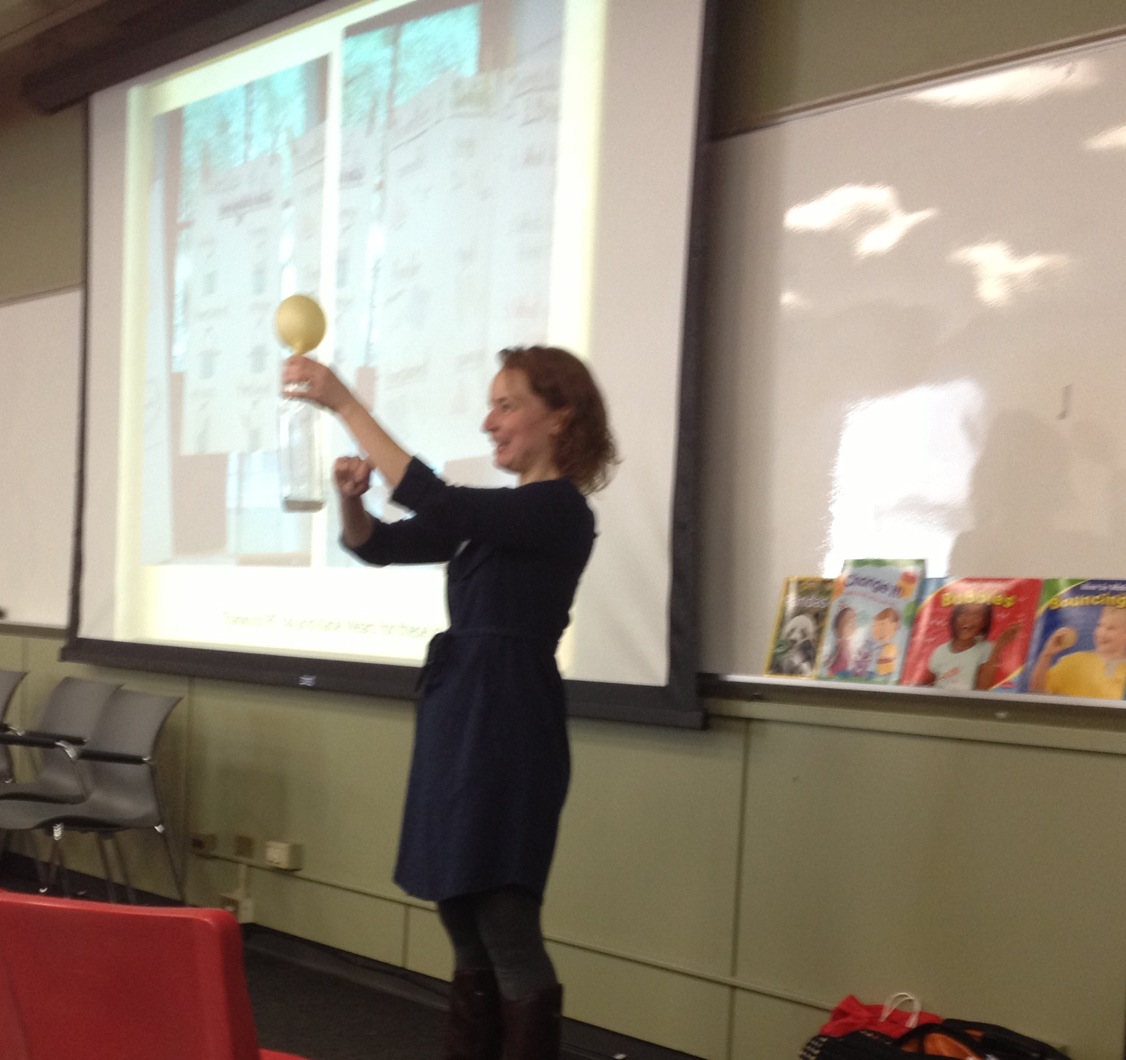
Elizabeth Moore modeling how to use demonstrations and experiments as the basis for shared or interactive writing.
Image
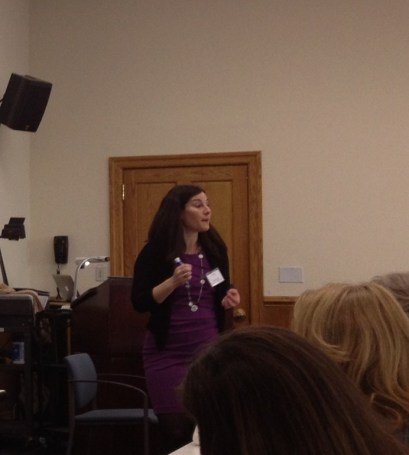
Brooke Geller explaining how to immerse students in articles to prepare them for a research-based argument essay unit.
Image
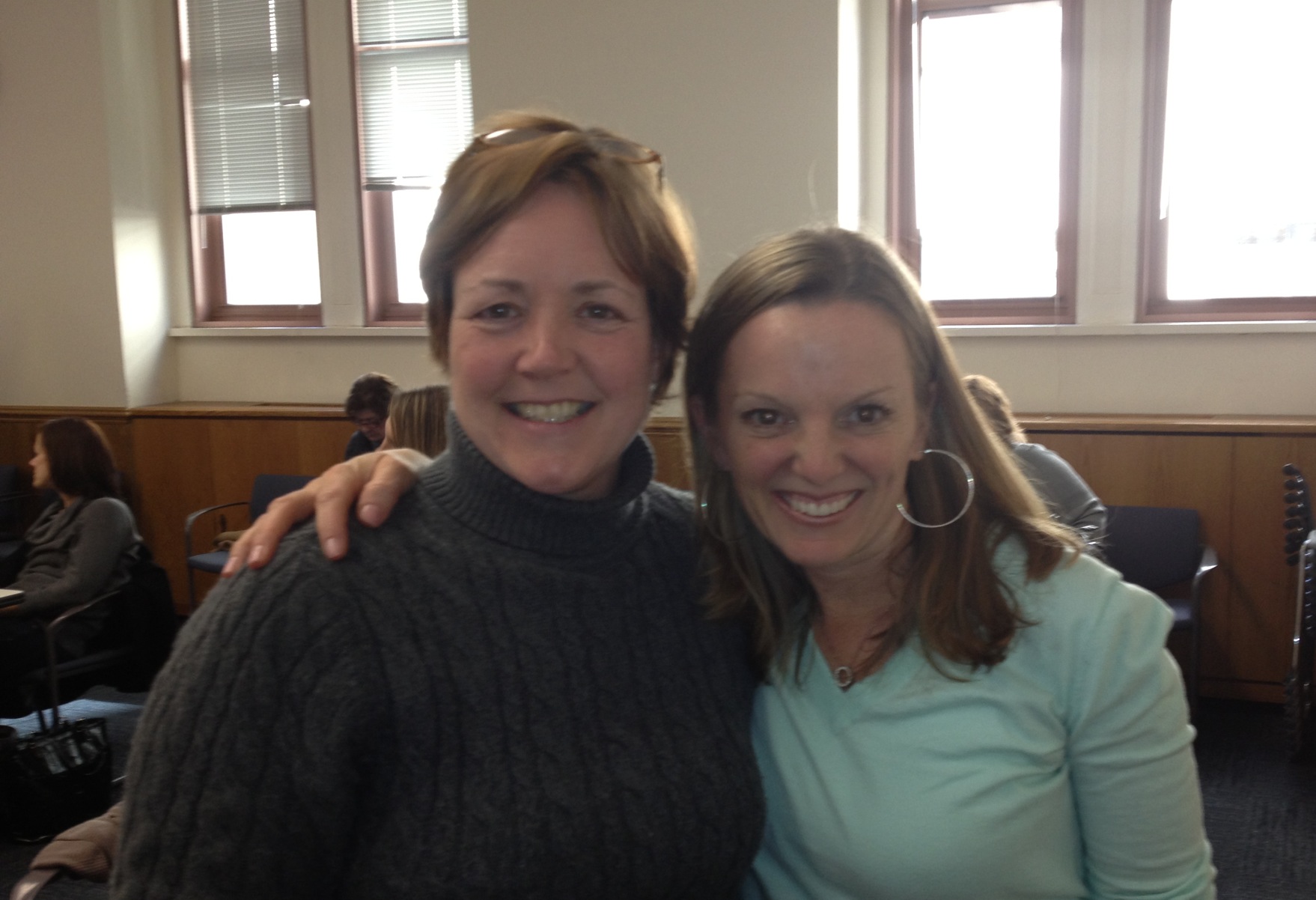
I was so excited to meet fellow slicer Melanie Meehan at Brooke’s session. She was sitting right behind me!
Image
Amanda Hartman reading Seymour Simon’s Super Storms during her session on deeping students’ comprehension of informational text.
Image
During her closing remarks, Lucy Calkins urged us to treat each other with kindness as we weather “the perfect storm” that is about to hit education.
Image
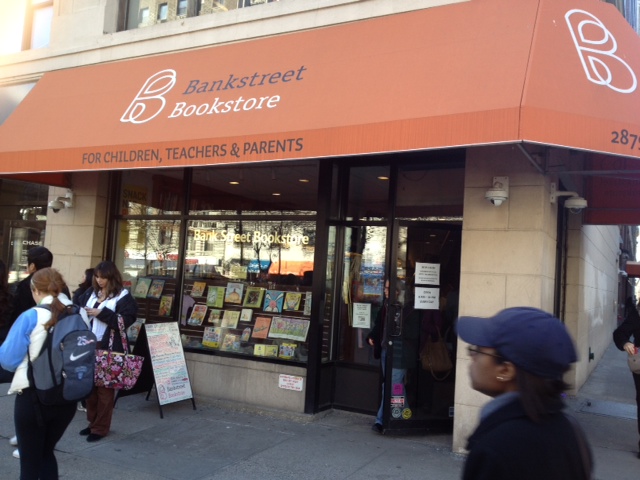
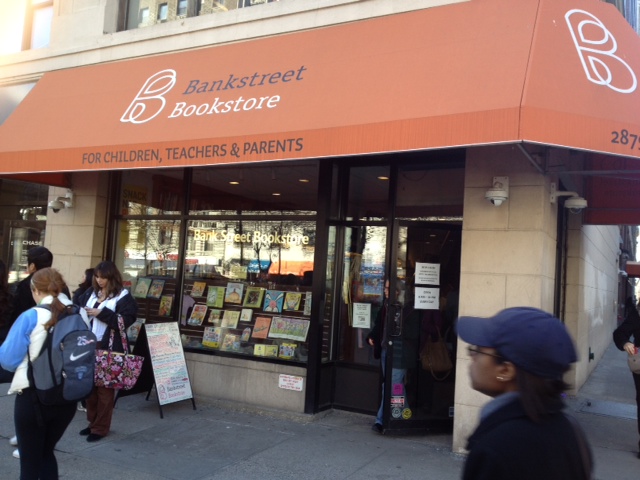
Last stop, Bank Street Bookstore!

As you can see, Saturday Reunions are an incredible experience. I learned so much today! You can also explore what others learned by checking out the #TCRWP hashtag on Twitter.  Thank you to Lucy Calkins and everyone at Teachers College for a fabulous day!

Thank you to Stacey and Ruth at Two Writing Teachers for hosting this Slice of Life Challenge!
sols_6

Slice 2013 7 of 31: World Read Aloud Day

Image              Image

Yesterday was World Read Aloud Day, and books were being read aloud throughout our building. All revolved around kindness as part of our month-long Read Across America celebration. (More about last week’s kick-off here.)

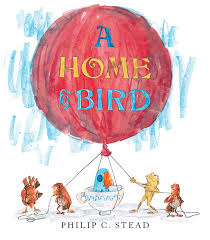
I started the day in Kindergarten, where I read Philip D. Stead’s utterly charming A Home for Bird.  If you have not seen this tale of friendship, kindness, and determination, read it as soon as possible.  The kids loved the book (they clapped when I finished reading), and had many insightful observations about Vernon’s kindness.

url

You can read Horn Book’s starred review here and learn more about Stead’s creative process at Seven Impossible Things Before Breakfast.

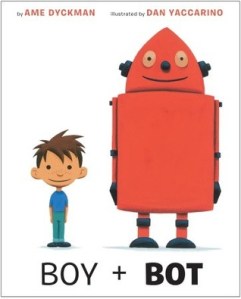
After lunch, I headed to first grade with Ame Dyckman’s Boy + Bot, illustrated by Dan Yaccarino. The kids were mesmerized by this story, another gently humorous tale of friendship, kindness, and determination. Everyone thought having a robot for a friend would be a very good thing.

boy-bot-cover

Anita Silvey recently shared her thoughts about Boy + Bot on Children’s Book-A-Day Almanac and Kirkus said “Dyckman’s debut offers pitch-perfect pacing…”

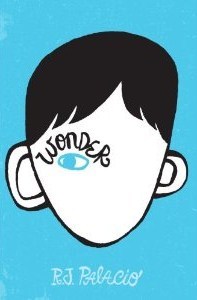
Finally, I went downstairs, where teachers in grade 4-8 were reading Wonder, by R.J. Palacio, to their students.

11387515

It was a wonderful day of reading at our school. Sharing these books offered lots of opportunities to talk about kindness. Hopefully, our reading and discussions throughout the month will help our students remember to always

Image

Thank you to Stacey and Ruth at Two Writing Teachers for hosting this Slice of Life Challenge!
Slice 2013 6 of 31: Musings While Knitting

Image

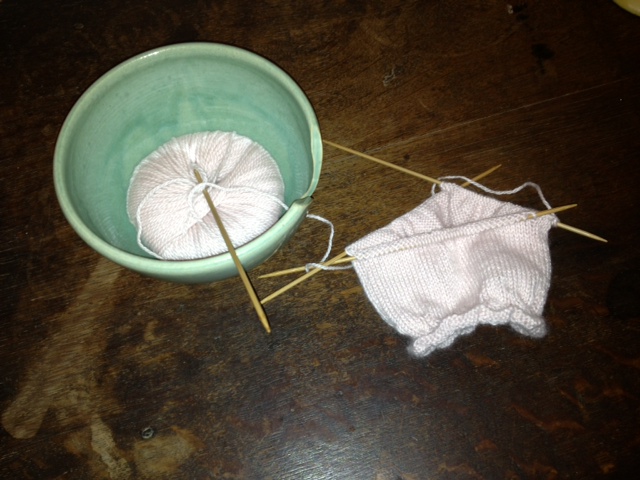
Last night, I didn’t get much writing done because I spent a good part of the knitting this hat:

Image

The finished hat will be a gift for the baby of a woman I work with. She has been on bed rest since Valentine’s Day because of a herniated disc. I’ll be thinking of her today as she undergoes a C-section, delivering baby Julia three weeks early. Immediately after the baby is born, my friend will have surgery to repair the disc. I pray that all goes well for her and her baby.

By today’s standards, I was pretty young when my children were born. Looking back, I think that was a good thing. My husband and I were too young to really understand that having kids is a pretty risky business. Or that their grip on your heart only tightens as the years go by. But I can’t imagine life without them.

Thank you to Stacey and Ruth at Two Writing Teachers for hosting this Slice of Life Challenge!
Slice 2013 5 of 31: The Legend of the Sanpodohavatulli Expedition

sols_6

The Revolutionary War is part of our fifth grade Social Studies curriculum. In language arts, students read My Brother Sam is Dead, by James Lincoln Collier and Christopher Collier and “The Midnight Ride of Paul Revere” by Henry Wadsworth Longfellow.

Listen my children, and you shall hear

Of the midnight ride of Paul Revere

(You can read the rest of the poem here.)

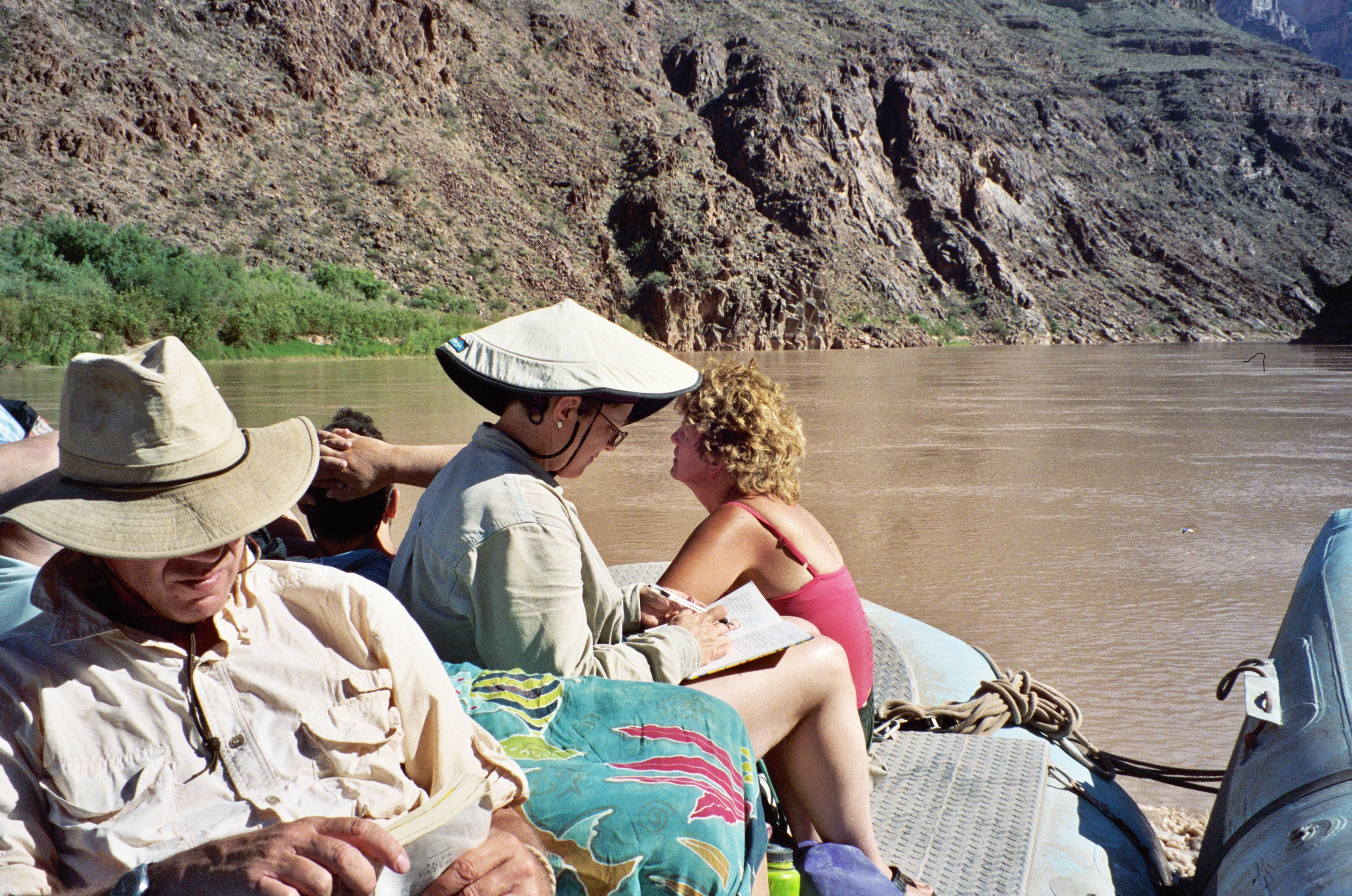
We had worked on this curriculum at the end of the school year, and the first few lines of Longfellow’s narrative poem were stuck in my head when my husband and I headed to Arizona to meet up with friends and family for a week-long adventure of rafting through the Grand Canyon. We had a glorious week: spectacular scenery, lively conversation, and fabulous food. By the next-to-last day we were all quite sad that our trip was coming to an end. I don’t really remember how it came about, but someone suggested a poem to commemorate out time in the canyon. Longfellow’s lines popped into my head, and I knew that his poem was the perfect structure for our tale.

Here, with some editing, is the result.

Image
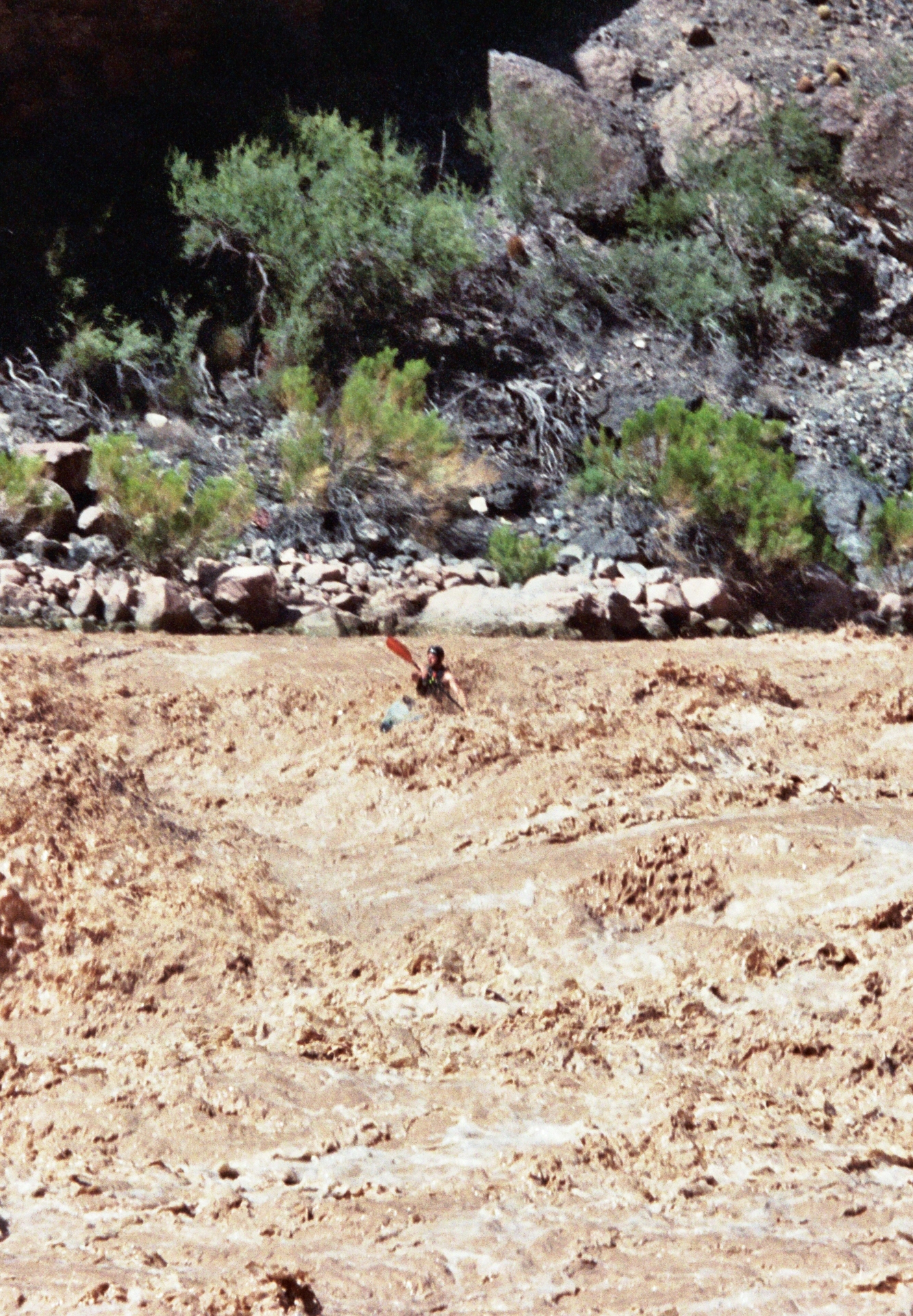
My son Brian in Lava Rapid

The Ballad of the Sanpodohavatulli Expedition

Listen my friends, and you shall hear

Of twenty-five paddlers without fear.

They left Lees Ferry one hot August morn,

Some with clean clothes that had never been worn.

Matt was their leader, laid back and cool.

Diana, his swampy, was learning the rules.

Lori swam Hance, then drank beer from her boot.

Next day she ran Crystal and thought it a hoot!

Rodney kept talking about his last trip,

While Catherine was scared into Lave she’d tip.

Shirley, tucked in at the back of the boat, asked

Is this a big rapid? You’re sure we will float?

El Presidente Zach strummed the guitar,

And sang of huge tents out under the stars

Brian, through rapids paddled with power,

But Julie kept asking, “Where is the shower?”

Eight days later we docked, our clothes filled with sand.

Some happy, some sad, to be back on dry land.

Though our trip, alas, was at its end,

There was never a raft filled with such friends.

Image
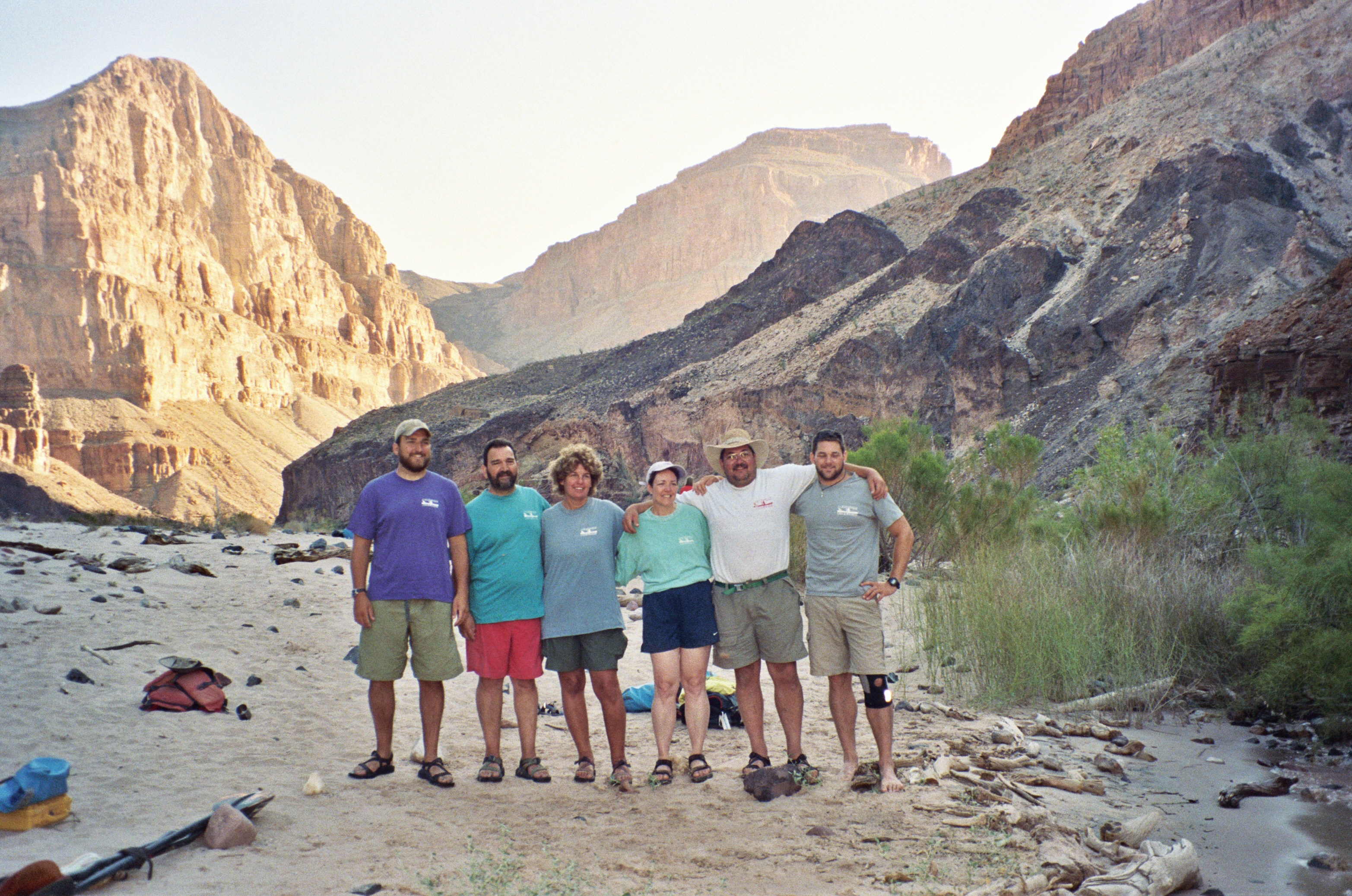
With our good friends, the Santullis
Image
Me, center, hard at work

It was such a joy to revisit this wonderful trip through this poem. The memories we made during our time in the Grand Canyon are priceless and will stay with me always.

Thank you to Stacey and Ruth at Two Writing Teachers for hosting this Slice of Life Challenge!