

The first Friday of the month means it’s time for another Inkling challenge. This month it was my turn to pose a prompt for my writing group partners to respond to.
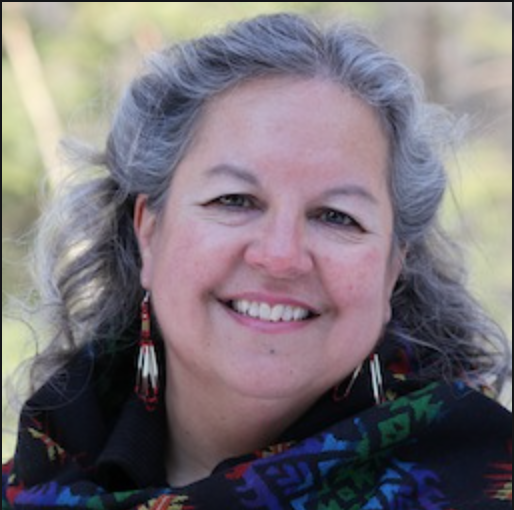
I read Robin Wall Kimmerer’s brilliant book, Braiding Sweetgrass several years ago and have revisited its wisdom many times since then. One of Kimmerer’s main points is that “It’s a sign of respect and connection to learn the name of someone else, a sign of disrespect to ignore it…Learning the names of plants and animals is a powerful act of support for them. When we learn their names and their gifts, it opens the door to reciprocity.”
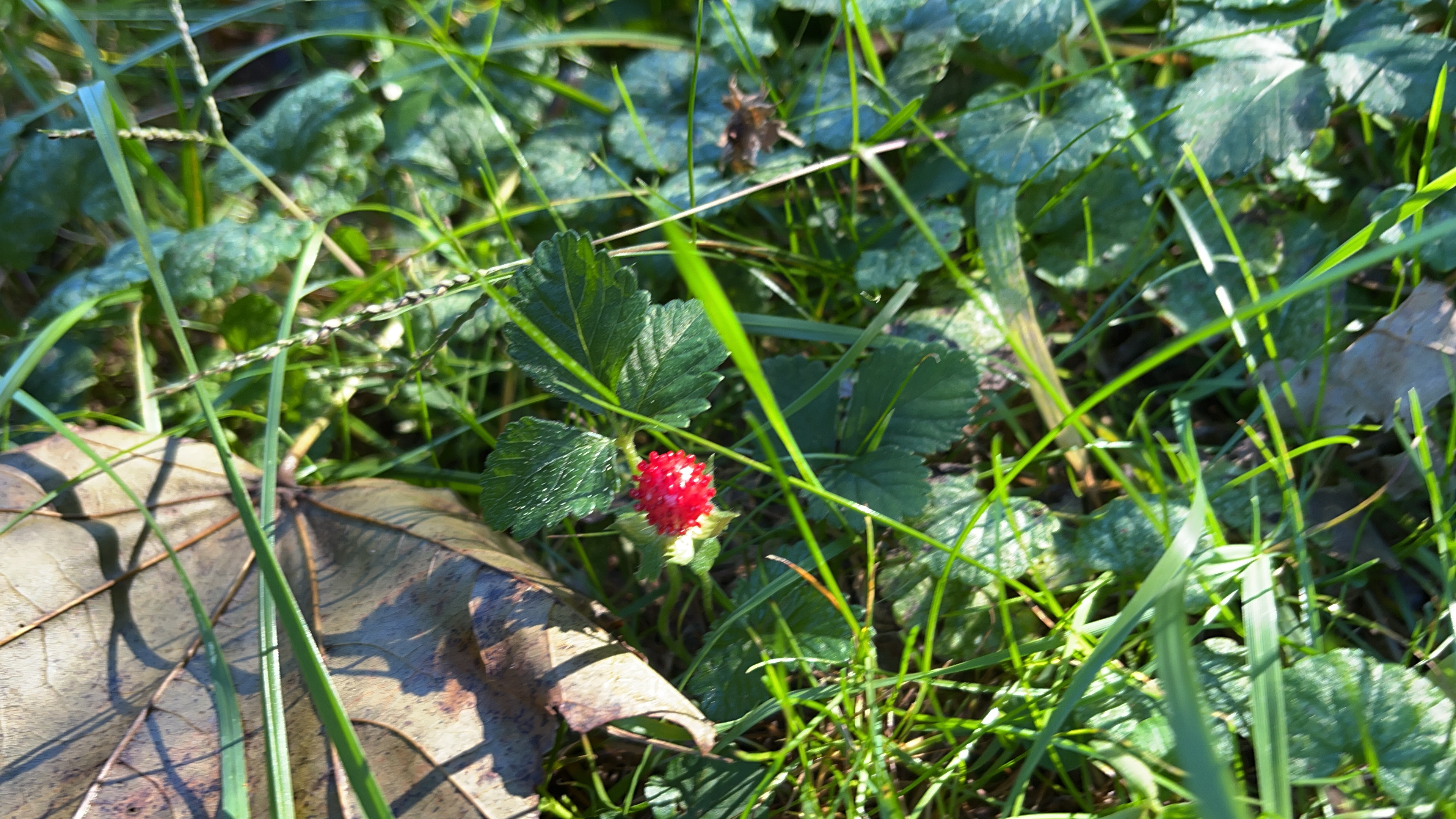
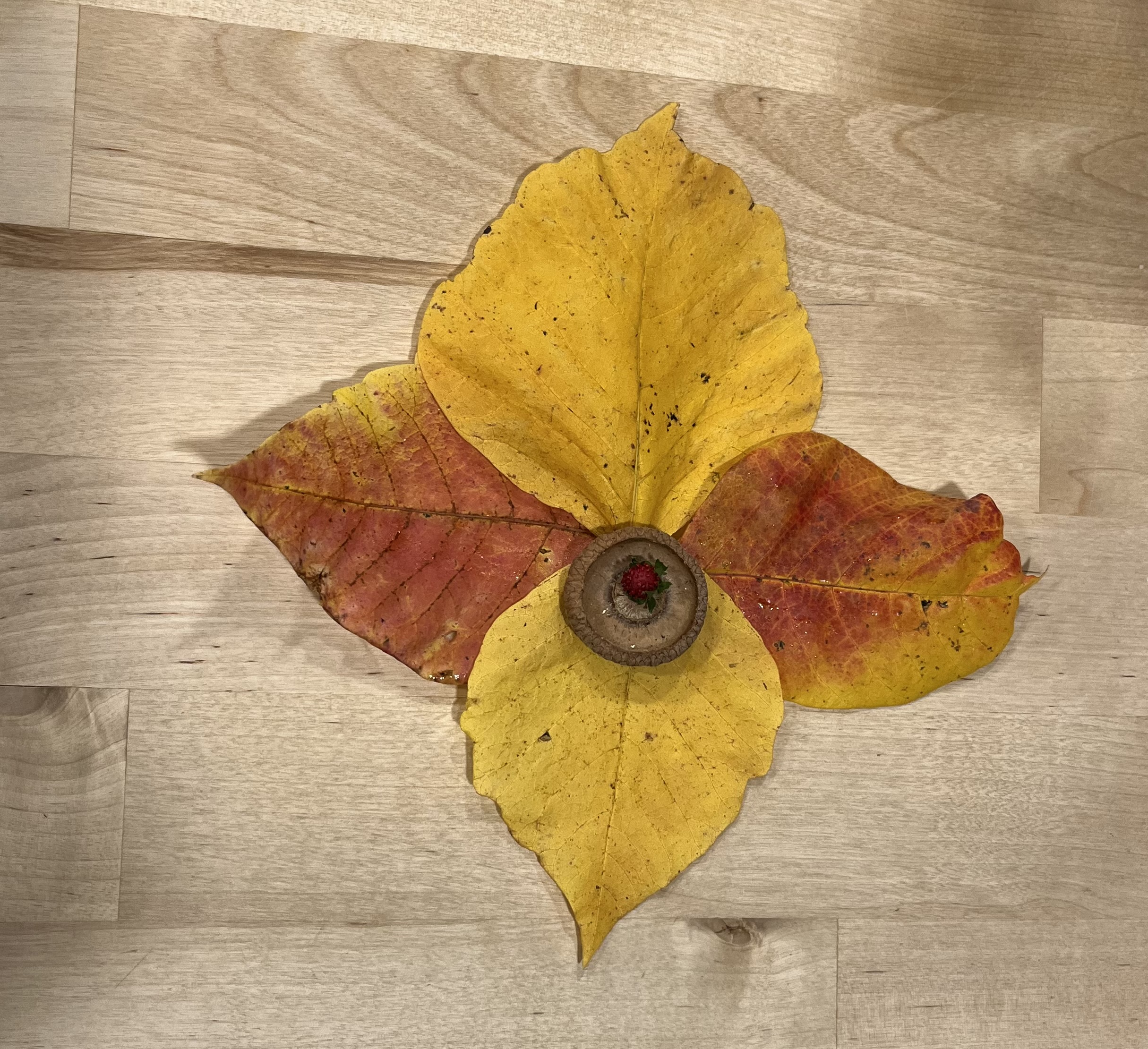
Using this idea as inspiration, I encouraged the Inklings to “look closely at the flowers, birds, trees, or other natural features in your neighborhood (or if you’re traveling, a new-to-you species) and write a poem about your chosen species. Free choice of format.”
Not long after I read Braiding Sweetgrass, I discovered the “Seek” app from iNaturalist. Taking Kimmerer’s teaching to heart, I became a bit obsessed with cataloging every plant and insect I see! Some insect names are completely charming. Did you know that hummingbird moths are also known as snowberry clearwings? Neither did I!
My original idea was to write about a double-striped bluet, a type of damselfly, that my granddaughter and I discovered while we were collecting rocks at a lake in Wisconsin. But then I discovered “This Is the Honey” by Mahogany L. Browne. The first line of this poem cried out to be a striking line for a Golden Shovel. This is the poem that emerged:
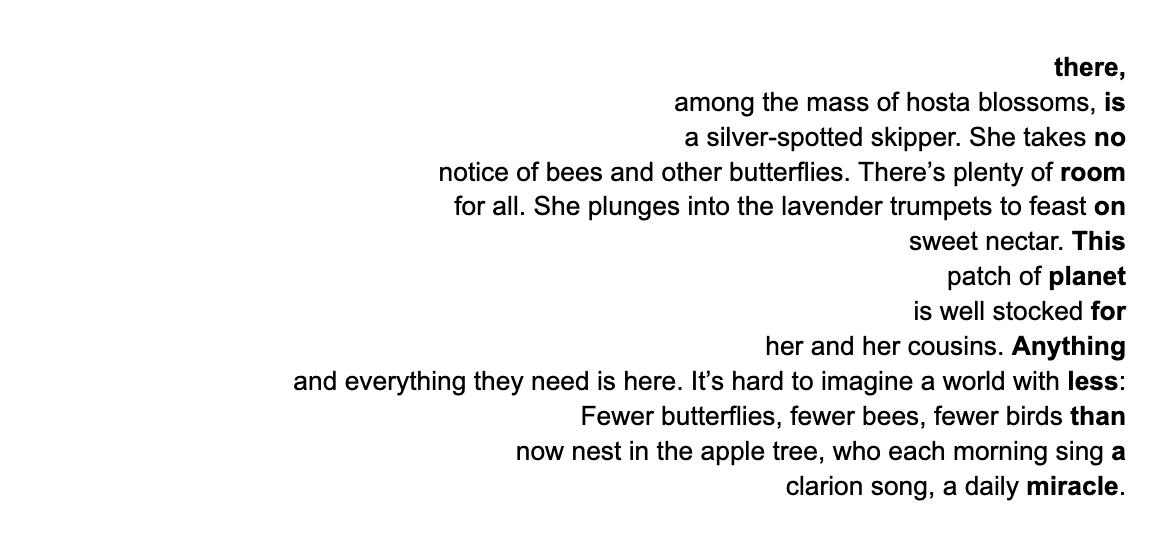
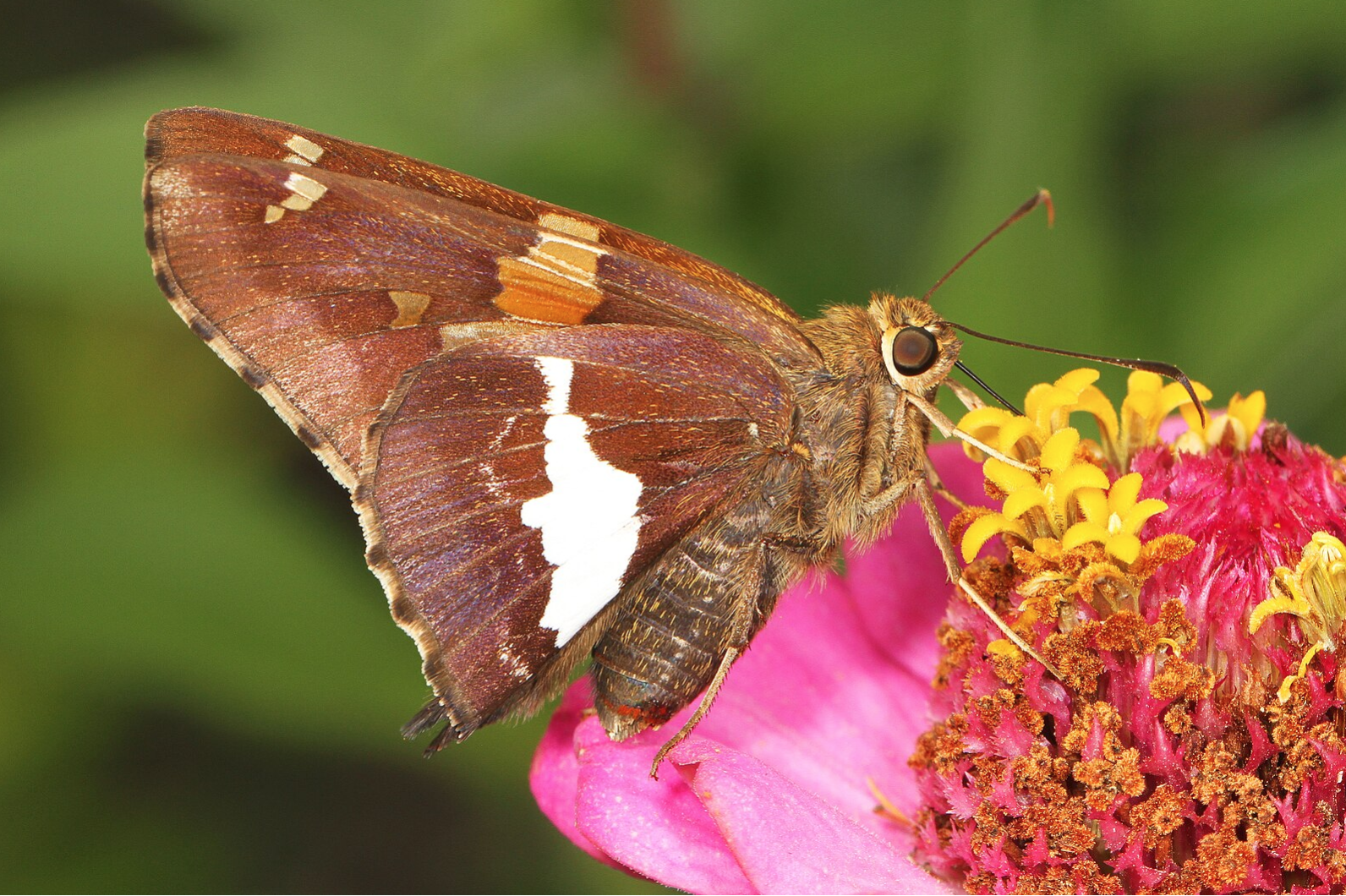
Draft, © Catherine Flynn, 2023
Please be sure to visit my fellow Inklings to read their responses to this challenge:
Mary Lee @ A(nother) Year of Reading (Mary Lee is also hosting Poetry Friday this week)
Linda @A Word Edgewise
Heidi @my juicy little universe
Molly @Nix the Comfort Zone
Margaret @Reflections on the Teche

 Reading to the Core