NPM & Poetry Friday: F is for…

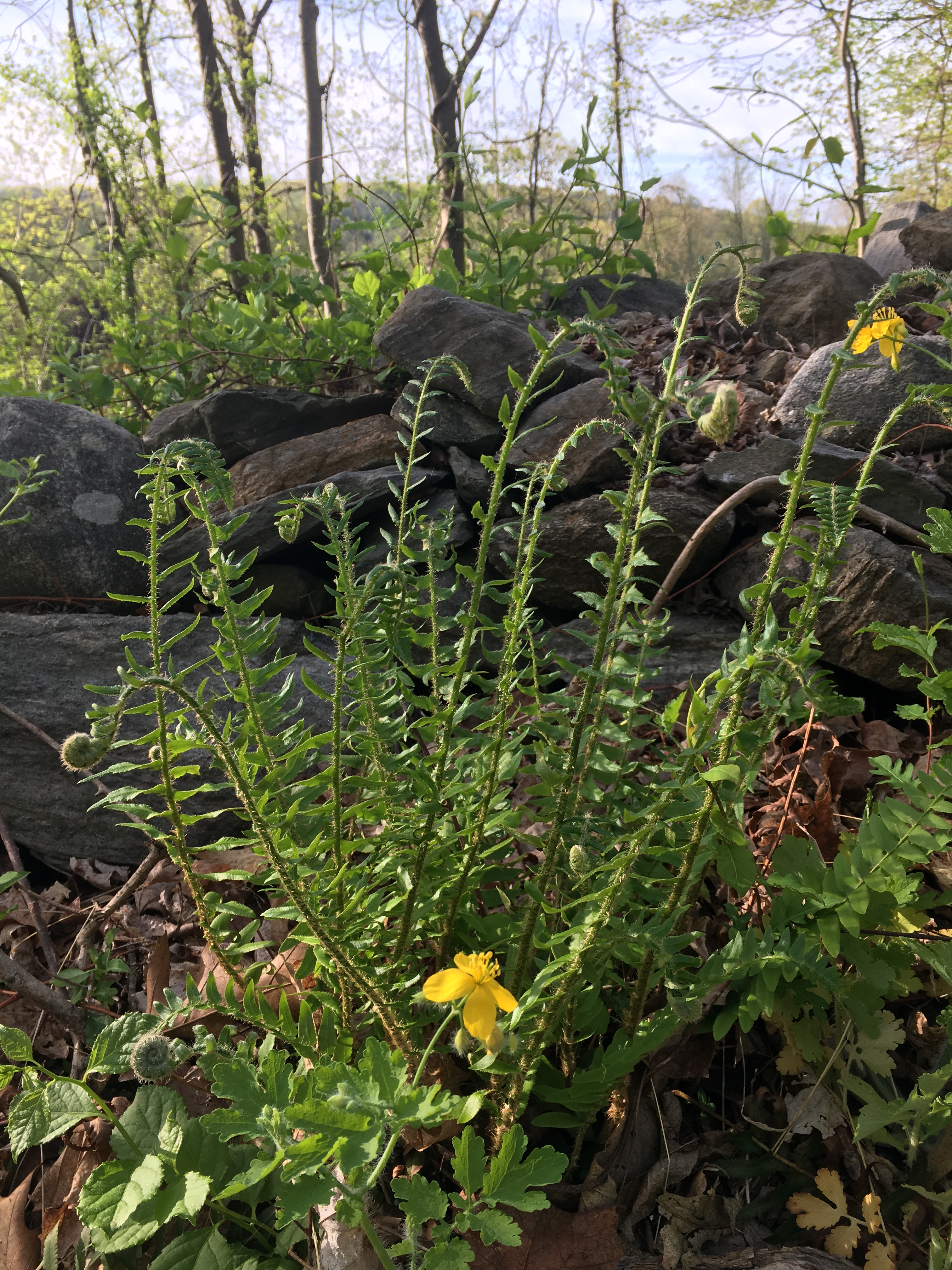
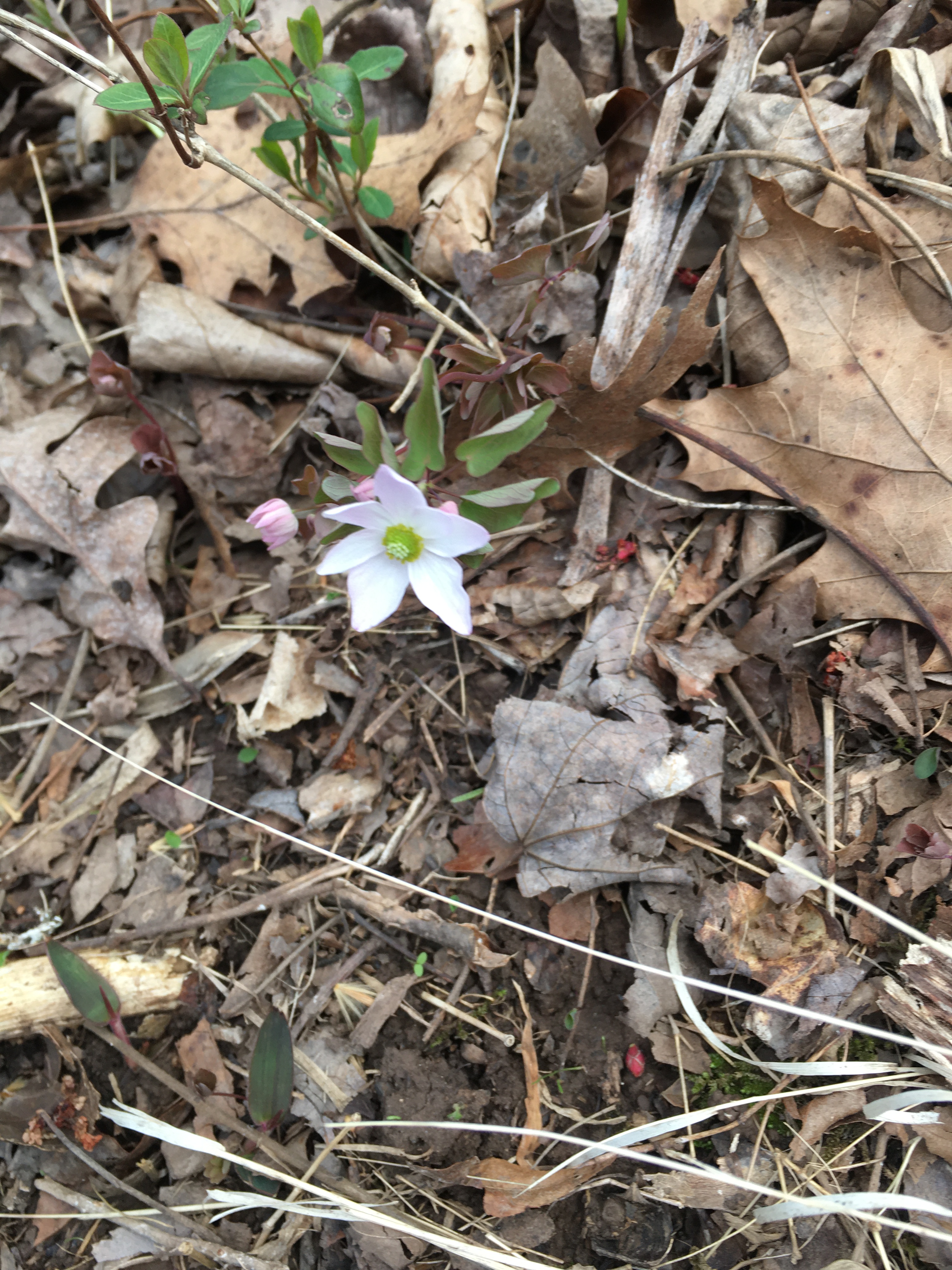
Spring break has begun! The last few weeks have been a whirlwind, and I’m looking forward to having time to catch my breath. Somehow I have managed to keep up with my poetry project. Because it’s the first Friday of the month, it’s also the Inkling challenge. This month, Mary Lee randomly chose these words: knuckle, denial, turn, cautious, then asked us to “use three or more …in a poem.” At first, I had no idea how I was going to work these words into a poem about hope and keep the alphabet pattern I’m using. But I kept thinking. When I was scrolling through photos on my phone, looking for something else, I found this:

Problem solved! My plan for this project wasn’t completely clear when I began, but I have decided to try to write about plant or animal species native to my area. This picture was taken on a walk last spring. I also have been playing with different forms. A Fib seemed like a natural fit for a poem about ferns. Today’s poem is a variation, beginning with one syllable, building to eight, then working back to one syllable.

Ferns,
green
spirals,
uncurl like 
a fist, cautiously
at first, one knuckle at a time, 
then swiftly turning into a 
wide sail, soaking up 
sustaining
light from
the 
sun

Draft © Catherine Flynn, 2023

Please be sure to visit my fellow Inkling, Margaret Simon at Reflections on the Teche, for this week’s Poetry Friday Roundup AND the next line in the Progressive Poem. Then check in with the rest of the Inklings to see how they responded to Mary Lee’s challenge.

Heidi Mordhorst @ My Juicy Little Universe
Linda Mitchell @ A Word Edgewise
Mary Lee Hahn @ A(nother) Year of Reading
Molly Hogan @ Nix the Comfort Zone

Previous NPM Posts:

Day 1: H is for…
Day 2: A is for Hope
Day 3: B is for Hope
Day 4: C is for Hope
Day 5: D is for Hope
Day 6: E is for Hope

Poetry Friday/National Poetry Month: H is for …

Happy National Poetry Month! Spring is not completely sprung here in western Connecticut, but the Weather Channel assures me it’s coming. I’ve been preoccupied with many responsibilities over the past few months, which left me with very little time or energy to devote to writing. But while I was brainstorming ideas for our Read Across America celebration, I came across a reference to Q is for Duck, by Mary Elting and Michael Folsom. One thought led to another and my idea for NPM was hatched.

I don’t know about you, but I’ve had a difficult time wading through what seems to be an endless stream of bad news. It hasn’t been good for me and I’m working very hard to tune out much of the negativity. With this in mind, I decided to use Q is for Duck as a model and, during April, write short poems about different things that are hopeful. I may switch things up from time to time and use Natalie Babbitt’s The Search for Delicious format (Delicious is…). Right now I’m keeping my options open.

Although it’s Saturday, I’m sticking with the etheree I wrote for the Poetry Sister’s March Poetry Friday challenge as an introduction to my NPM project. Happy April, everyone!

I
am done
with despair.
Instead, I’ll kneel
in the softening
Earth, roused from winter’s deep
slumber by sun’s strong rays and 
thirst-slaking showers; revel in
violets and clover, listen in
as robins chirp a melody of hope.

Draft, © Catherine Flynn, 2023

Photo by Trac Vu on Unsplash

Please be sure to visit Mary Lee Hahn at A(nother) Year of Reading for the Poetry Friday Roundup and other NPM news.

Poetry Friday: Still

Like everything else this week, my Poetry Friday post is a day late. I had a minor medical procedure on Monday (everything is fine) that left me discombobulated all week. My posts have been few and far between lately, but it is the first of the month, which means…the Inkling challenge! Margaret asked us to “Explore the use of anaphora in a poem, how the repetition of a line or phrase can add depth to the theme.” She suggested Jericho Brown’s poem “Crossing”  as a mentor text. Coincidentally, I had been captivated by “Landscape with Things,” by Alexandria Hall, after hearing it on The Slowdown recently and was already playing with Hall’s repetition of the phrase “and still…”

Still

smudges of clouds streak
across the brightening sky
as pricks of light
from distant stars fade away.

And still a fox creeps
along the frayed edges
of the field, hunting for voles.

Still juice is poured,
coffee brewed, eggs scrambled.
Children wait at the driveway’s edge
to be transported to their futures.

And still the spider spins
her web above the rhododendron,
invisible to unsuspecting gnats and flies.

Still mist rises from the pond
as trucks rumble past,
their drivers focused on
the end of the journey.

No one notices 
the heron, silent and still,
until she lifts her great
blue wings and flies away.

Draft, © Catherine Flynn, 2023

Photo by Navin Hardyal on Unsplash

Please be sure to visit my fellow Inklings to read their responses to Margaret’s challenge:

Heidi @ My Juicy Little Universe
Linda @ A Word Edgewise
Margaret @ Reflections on the Teche
Mary Lee @ A(nother) Year of Reading
Molly @ Nix the Comfort Zone

Then head over to Tanita’s blog, {fiction, instead of lies}, for the Poetry Friday Roundup.

Poetry Friday: String Theory

The first Friday of the month means it’s time for another Inkling challenge. It was my turn to pose this month’s prompt, and I chose this “Invitation for Writing and Reflection” from How to Love the World: Poems of Gratitude and Hope, edited by James Crews. Inspired by Sally Bliumis-Dunn‘s poem, “Work,” Crews asks readers to consider

…a time when you felt so consumed with the act of making something that you lost all sense of time, and your mind seemed to clear? What allowed you to enter this mindful creative space?

As you may know, I have been knitting for many years, but the arrival of grandchildren has kicked my obsession into high gear. While I am knitting, I often run my hand across the fabric that is literally being created in my hands and marvel at how such a transformation is possible. Of course my poem had to be about knitting.

I also happen to love space and astronomy and am intrigued by physic topics I never felt smart enough to study in college. Thanks to Brian Greene and Lisa Randall, I was able to weave together my curiosity about the universe and my passion for knitting to create this poem:

String Theory

Careworn fingers, 
calloused and crooked,
ply needles that vibrate
with quicksilver energy –

slide – wrap – glide –

intertwined geometry.

Gradually, a dancing filament
of yarn is transformed, 
a new dimension created,
bound with invisible strands 
of love and warmth,
connecting hearts.

Draft, © Catherine Flynn, 2023

by Anna Hrachovec – Creator of Mochimochi Land

Please be sure to visit my fellow Inklings to read their responses to this challenge, the head on over to Laura Shovan’s blog for the Poetry Friday Roundup

Heidi Mordhorst @ My Juicy Little Universe
Linda Mitchell @ A Word Edgewise
Margaret Simon @ Reflections on the Teche
Mary Lee Hahn @ A(nother) Year of Reading
Molly Hogan @ Nix the Comfort Zone

Happy New Year! The Roundup is Here

Happy New Year! Welcome to the first Poetry Friday of 2023! I’m happy to be hosting this week and can’t wait to read all your poetic offerings.

It’s also the first Friday of the month, which means it’s time for another Inkling challenge. This month, Heidi asked us to “write a poem which weighs the pros and cons of #change.” She added, “for extra fun, use any form, but consider starting in one form and gradually transitioning in the course of the poem to a quite different form.”

Many of us vow to make changes as we welcome a new year. Even as we make these vows, we know our chances of making lasting, meaningful change is small. But the impact of even small changes can be huge. How can we ensure meaningful change? Coincidentally, a segment of The New Yorker Radio Hour this week was about choreographer Akram Khan’s recent reimagining of the classic ballet, Giselle. The episode ended with Khan listing his views on why people change. The first reason, in Khan’s opinion is that “they hurt enough that they have to.” Next, he said, “people change when they see enough that they’re inspired to.” Thirdly, people change “when they learn enough that they want to.” Finally, people change “when they receive enough that they are able to.”

The wisdom of these words can guide us through changes large and small. In the big scheme of things, changing and growing as a poet may not seem as significant as say, slowing climate change. And yet, I don’t think the two are unrelated. Who knows what impact our poems may have?

My fellow Inklings constantly inspire me, teach me, and give me the support I need to keep growing. When we met last week, we were all pretty well worn out from travel, bouts with Covid, busy holidays, and new babies. Then Mary Lee shook things up and suggested that we write an exquisite corpse poem on the spot. We agreed that we could use the resulting poem as the basis for our #change poem this week.

Here is how it looked after we’d each written our line:

My line came from a draft of a #change poem I’d been working on before our meeting. But with so many lovely lines to work with, I rearranged and revised the lines above. Here is the result:

On the forest floor,
where steps and stones still lie,
leaves understand and submit
without challenging the direction of the wind.

Shifting clouds wander and wind along our way
shining light or casting shadows.
The wind unwinds us day by day. 
Do we challenge? Or submit?

What will you be striving to change this year?

Be sure to visit my fellow Inklings to see how they changed our exquisite corpse poem, then leave your link below.

Heidi Mordhorst @ My Juicy Little Universe
Linda Mitchell @ A Word Edgewise
Margaret Simon @ Reflections on the Teche
Mary Lee Hahn @ A(nother) Year of Reading
Molly Hogan @ Nix the Comfort Zone

You are invited to the Inlinkz link party!

Click here to enter

https://fresh.inlinkz.com/js/widget/load.js?id=c0efdbe6b4add43dd7ef