One of my earliest memories is of being at a local ball field, watching my father play baseball in the town league. After the game, we drove to Carvel’s for ice cream. Although I couldn’t have been more than four, I remember sitting on a picnic bench trying to eat the soft vanilla ice cream before it melted.
My father loved baseball, and he passed that love on to me. When the play offs roll around in October, they always brings memories of him.
By Boston Public Library (Flickr: Ebbets Field, Brooklyn. N. Y.) [Public domain], via Wikimedia CommonsHe grew up listening to the Brooklyn Dodgers on the radio. Stung by the Dodgers’ 1958 move from Brooklyn to Los Angeles, he rooted for the Mets for most of the 1960s. On the day the Mets won the World Series in 1969, we had a double celebration because it was also my birthday. (I double checked this memory and discovered they beat the Baltimore Orioles–the team my husband-to-be was surely rooting for from his home in Bel Air, Maryland that day.)
By 1975, his allegiance had switched to the Boston Red Sox, where it stayed for the rest of his life. The World Series that year was a big deal at my house. We watched almost every minute of that series together. Except for this:
To this day, I hate to go to bed before a game is over.
Baseball isn’t as big a deal in my house today as it was when I was growing up. While my husband loved the game as a kid, he doesn’t pay too much attention anymore, and neither of my boys are really fans. I only watch an occasional game during the regular season. But come October, I’ll be in front of the television, marveling at the grace of a well-turned double play or holding my breath as a ball soars into the outfield. And you can be sure I’ll be watching tomorrow night, cheering for Boston, thinking of my father.
Thank you to Stacey and all her new co-bloggers at Two Writing Teachers for hosting Slice of Life Tuesdays.
My husband and I recently attended a live performance of the NPR show, Radiolab. Titled “Apocolypto,” the thread tying the stories together was endings. The first story the hosts, Robert Krulwich and Jad Abumrad, told was about recent research on the extinction of the dinosaurs. Previous theories proposed that the dinosaurs died off slowly from starvation because the debris-filled atmosphere prevented sunlight from sustaining plant life, thus disrupting the entire food chain. Based on new evidence, some scientists now hypothesize that the dinosaurs were wiped out in a cataclysm of fire that lasted only a few hours. The sights and sounds that accompanied this tale of death and destruction made it seem even more horrific.
By Don Davis/NASA [Public domain], via Wikimedia CommonsThis got me thinking about cataclysmic change. We don’t handle it well. Indeed, it is often deadly. Recent events bear this out: whole neighborhoods in New York and New Jersey are gone because of Superstorm Sandy, the recent floods in Colorado, wildfires throughout the West, earthquakes in Japan and other parts of the world. The list is long. People do recover from these events, but it takes time. These disasters leave both internal and external scars. The people and the landscapes are changed forever.
I feel like the world of education is in the midst of a cataclysm. CCSS, SBAC, and SEED (Connecticut’s acronym for our new teacher evaluation system) are causing huge upheavals across the country. Teachers are doing their best, just as they always have, to keep a steady focus on their students and what they need to learn and succeed. But it’s not easy. Every day it seems like there is some new demand that drains more time and energy away from our students.
But times of cataclysmic change and natural disasters also bring out the best in people. Communities come together to help and support one another as they get back on their feet. We have to remain supportive of each other as we navigate these changes. Instead of feeling like those dinosaurs on that really bad day eons ago, we should feel like we are part of the creation of a better education system for all children.
The physical world is in constant flux, and it’s an illusion to think that the day-to-day world of our lives is any different. Our survival depends on the attitude we bring to those daily challenges. Radiolab’s final story that evening was about two actors, both diagnosed with Parkinson’s disease at about the same time. Rather than let their disease get the best of them, they teamed up to perform Samuel Beckett’s play, Endgame. Their determination not to be crushed by their disease allowed them to overcome its devastating effects.
We can’t let ourselves be crushed by the changes we face. We have to go to school each day and support each other as we combine what is good about these new initiatives with what we know is best for students. That is how we can evolve and flourish in the aftermath of this cataclysm.
Thank you to Stacey and all her new co-bloggers at Two Writing Teachers for hosting Slice of Life Tuesdays.
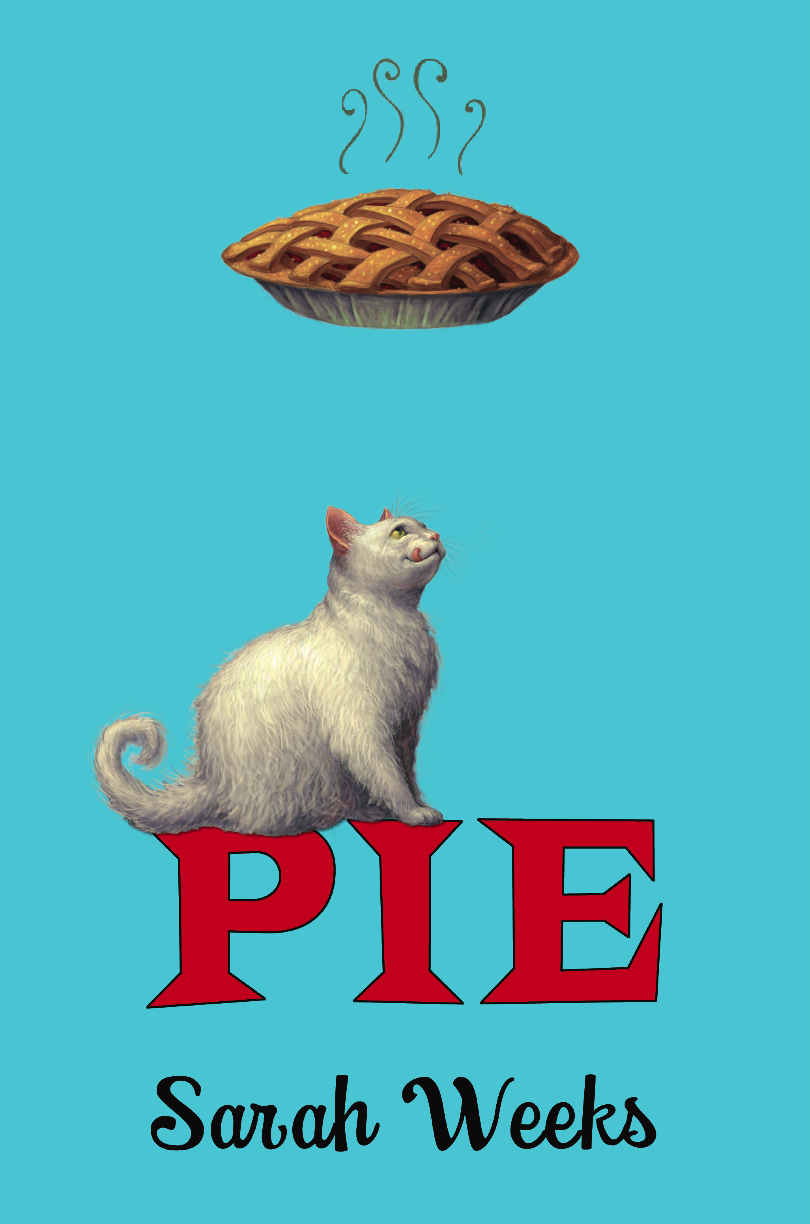
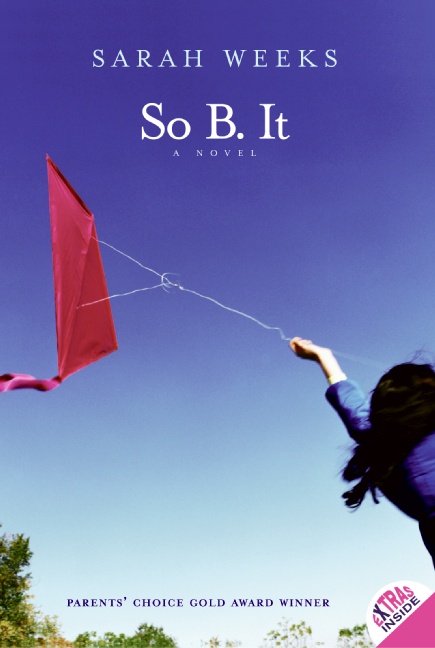
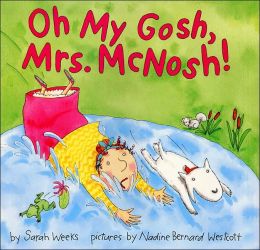
Last week, Sarah Weeks, author of the novels Pie and So B. It as well as many picture books, including Oh My Gosh, Mrs. McNosh and Ella, Of Course, visited our school. There is nothing like an author visit to excite students about reading and writing, and Sarah’s visit was a huge hit.
In words and pictures, Sarah shared her earliest writing and how she became a published author. She talked about finding ideas for stories everywhere and the importance of being observant. The kids loved Sarah’s honesty about tackling sensitive topics such as divorce and mentally challenged people in her books. Best of all, every topic Sarah discussed was infused with humor.
Often students are reluctant to revise their first drafts. Sarah was clear that this just isn’t an option. My colleagues and I practically cheered when she told the kids that “no editor has ever said [your manuscript] is perfect, you don’t have to change a word.”
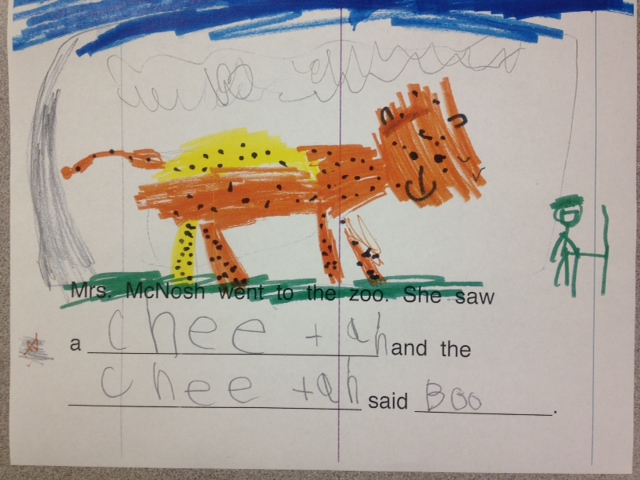
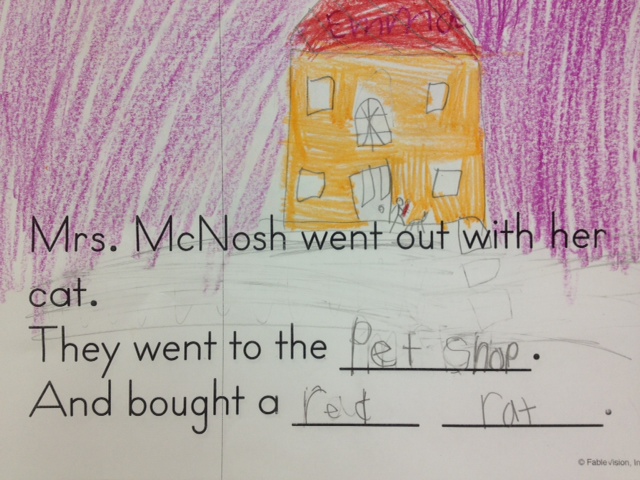
After reading all of Sarah’s books about Mrs. McNosh, our Kindergarten and first grade students created their own adventures for this wacky character.
Almost a week later, students throughout the school are still stopping me in the hall to ask “Do you have any more books by Sarah Weeks?” A successful author visit inspires students to stretch themselves as readers and writers. Sarah Weeks did just that.
Thank you to Stacey and all her new co-bloggers at Two Writing Teachers for hosting Slice of Life Tuesdays.
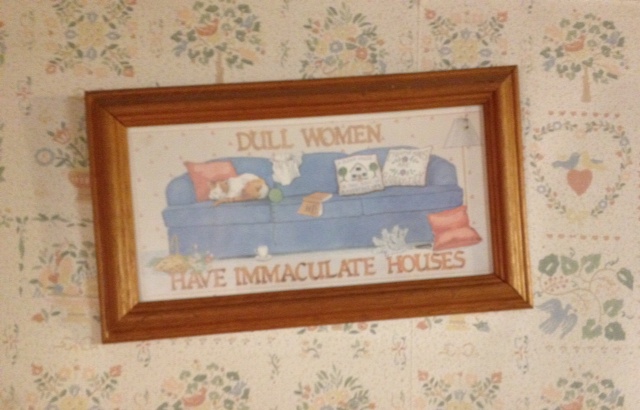
This sign hangs above my kitchen door. And no, I did not tilt it for effect. The cobwebs are real, too. For 25 years, this sign has made me feel less guilty about not cleaning my house as often as I should.
But on Sunday, I reached a new low. I let a 10-month old baby crawl around on a rug that hadn’t been vacuumed in a month. I know; I’m a terrible person. To be fair, his mother didn’t tell me they were coming until about 15 minutes before they arrived. Still, I could have at least vacuumed the living room.
The frustration (and guilt) this incident caused me was forgotten as I played patty-cake with Max and my niece and I chatted about her new house. Also forgotten was the pile of work I brought home Friday afternoon and the plans for writing a blog post or two.
Maybe next weekend I’ll have more time to develop some ideas that have been percolating in my brain for the last week. For now, I’m going to go vacuum. Just in case.
“Kind words do not cost much. Yet they accomplish much.” ~ Blaise Pascal
Last spring, at the Teacher’s College Reading and Writing Project Saturday Reunion, Lucy Calkins urged the thousands of teachers gathered at Riverside Church to be supportive of our colleagues and to treat one another with kindness through this tumultuous time in education.
The importance of maintaining this kind of positive attitude is being felt in schools across the country this fall. In Connecticut, where I teach, the state’s new teacher evaluation system is being rolled out this year. Teacher’s are now required to have five goals: two Student Learning Objectives (SLO’s), one Professional Growth Goal (linked to the Connecticut Common Core of Teaching Rubric), a whole-school goal linked to last year’s state assessment results, and a goal related to feedback from a parent survey. These have to be submitted by October 15. Needless to say, this is causing some stress.
And yet, as I meet with my colleagues each day to work on these goals, we feel a sense of accomplishment. As we read through writing samples, we learn more about our students and our writing goals become clear. We read and reread the standards, and our understanding deepens. Our unit plans begin to take shape, and we realize that we can do this. We are doing it. Together.
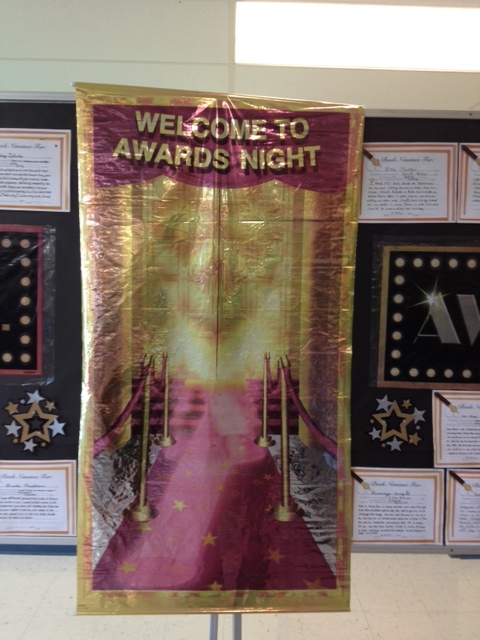
Last week, on the sixth day of school, my fourth grade colleagues kicked off the year in style with their annual “Readers’ Choice Awards.” Wanting to make summer reading assignments more purposeful, Bernadette and Kim came up with a plan that also energized their students about reading.
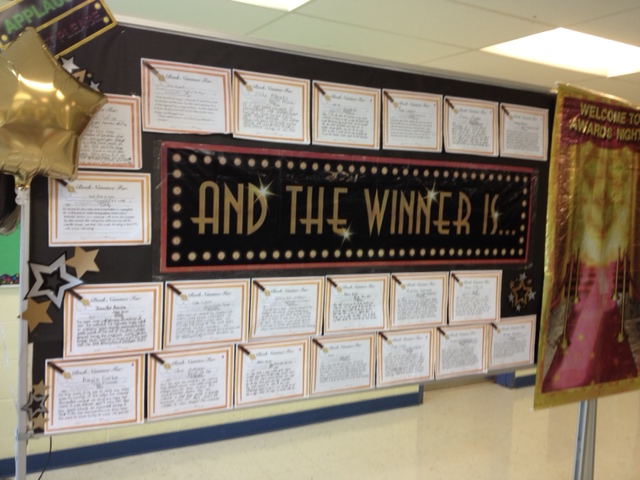
Each student was encouraged to nominate one of their summer reading selections (all chosen from a list of suggested titles, but students could chose a book not on the list) for the best book in one of the following categories: Best Character, Best Setting, and Best Plot. Students wrote their nominations, hoping to persuade their classmates to vote for their book. Once all the nominations were shared, the children voted for a book in each category.
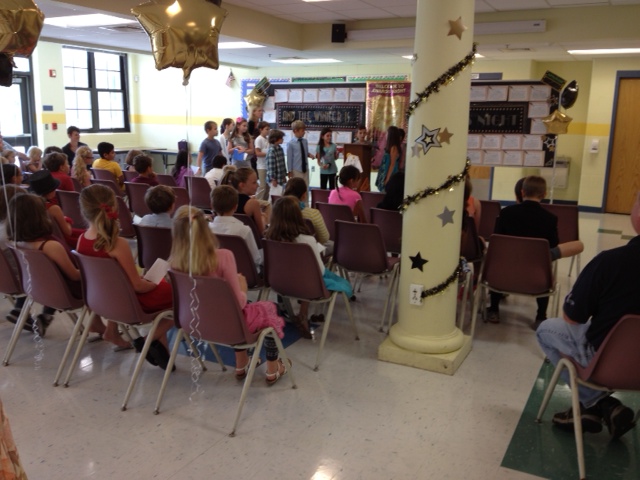
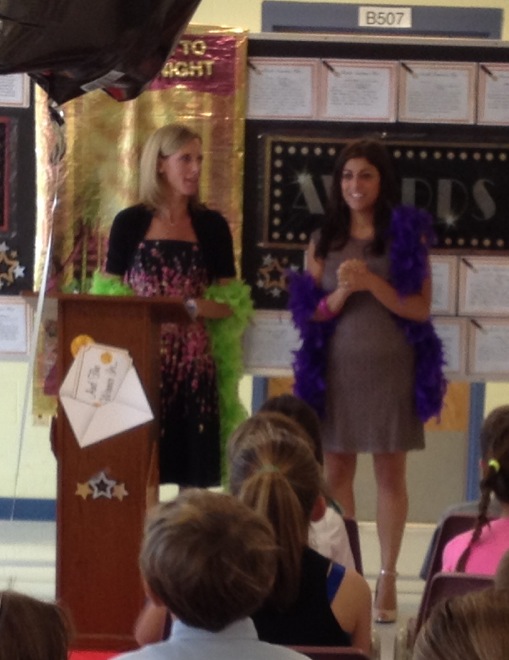
Most fourth-graders arrived at school on Friday dressed to the nines for the awards ceremony, which included a red carpet, golden statues, and lots of applause. After a quick thank-you to the parents from Kim and Bernadette, the Masters of Ceremonies were introduced, and the nominees for the first category were announced. Students were called up to the podium to share the book they nominated, and the runner-up was announced. Then the emcee opened the envelope containing the name of the winner. To heighten the excitement, students in the audience provided a drum-roll on their laps. A statue was presented to the student who nominated the winning book before he or she read a short thank-you speech.
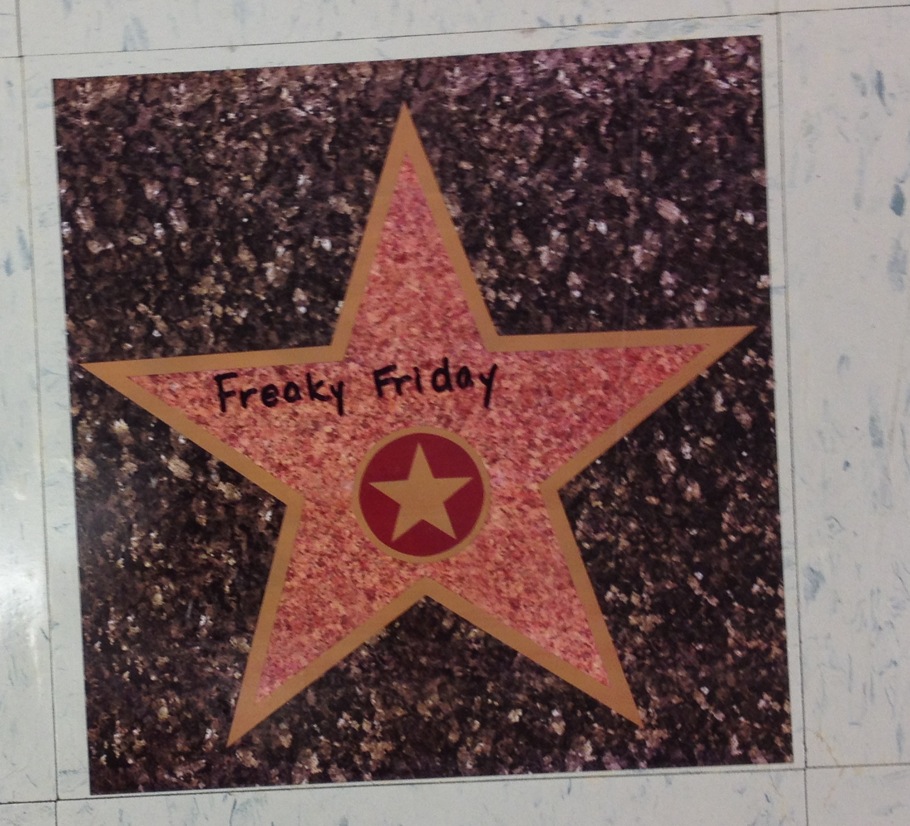
Once all the awards had been handed out, students mingled with their parents and other guests and posed for photos. All the nominations were displayed for visitors to read, and there were even Hollywood-like stars on the floor leading into the cafeteria.
Although this ceremony lasted only half-an-hour, it’s impact will be felt for the rest of the year. By being sensitive to including as many students as possible in the ceremony, Kim and Bernadette created a supportive tone in their classrooms and sense of community that often takes much longer to establish. Even students whose books weren’t chosen had the opportunity to share the title of their book. Parents loved seeing their children celebrate their summer reading in a meaningful way, and the students started the year off with style, excited about reading and sharing books with their friends.
Last week, Sarah Horn’s life was changed “For Good” when Kristen Chenoweth invited her to share the stage to sing a duet of the song from the Broadway show Wicked.
I was deeply moved as I watched the video that has now been viewed by over 2 1/2 million people. I was struck by these lines in particular:
“…I know I’m who I am today
Because I knew you…”
How many people are fortunate enough to be able to say this to one or more individuals who have made a difference in their lives? How often is that individual a special teacher?
Teachers often never know the impact they have on their students. Because this is true, we owe it to every child to help them to be their very best, to help them discover, as Ann Patchett’s characters in Bel Canto only begin to discover, “all the brilliant things we might have done with our lives if only we suspected we knew how.”
As I walked down the hall today, I watched a fourth-grade boy the size of a first-grader, a boy born with multiple disabilities try to jump up and touch the moulding at the top of the door jam as he headed for the bathroom. We usually discourage kids from doing this, but as I watched him I thought, “Go for it. Jump as high as you can. I hope someday you reach the top.”
Thank you, as always, to Stacey and Ruth at Two Writing Teachers for hosting the Slice of Life Challenge and providing a space for us to become better writers by telling our stories.
“Quantity produces quality. If you only write a few things, you’re doomed.” –Ray Bradbury
via Wikimedia Commons
To say that I have been obsessed with writing lately would be an understatement. The curriculum work I wrote about last week has me very excited about our school year. As I’ve prepared for school over the past week, though, I realized I left out at least one critical element of writing instruction: time.
In his 2008 book Outliers, Malcom Gladwell popularized the idea that it takes 10,000 hours of practice to become a master at any given task. Recently, some have questioned this notion, and Gladwell responded with a clarification on The Atlantic Wireby pointing out that this rule applies to “cognitively demanding activities that need significant thought.” Writing is certainly a cognitively demanding endeavor.
For students to become even proficient writers, they need time every day to write. Students need ample time to generate ideas. They need time to play with language so they develop a richer vocabulary and deeper understanding of language structures. They need time to develop confidence and their writing voice.
Time is a four letter word for most of us. We never have enough, are always running out of it. But time is exactly what our students need if they are to come anywhere close to mastery of writing. We will never make more time, but teachers are creative problem solvers. By closely examining long standing routines and our priorities, we can find more time in our schedule for this skill that is so critical to learning.
At our meeting to kick off the year yesterday, all of the speakers shared a personal story about their experience in education. Our students have their own stories that they want to share. They deserve the opportunity to tell them. After all, caring about each others’ stories is what makes us human.
Thank you, as always, to Stacey and Ruth at Two Writing Teachers for hosting the Slice of Life Challenge and providing a space for us to become better writers by telling our stories.
For the past six days, I’ve worked with an amazing group of teachers making revisions to our writing curriculum. The dedication and passion these men and women brought to this work made my job of facilitating much easier. I feel good about what we accomplished and know that these teachers all feel prepared to launch the writing workshop in their classrooms next week.
We still have so much work to do, but thanks to the Units of Study developed by Lucy Calkins and her colleagues at the Teachers College Reading and Writing Project, we have a good grasp of the process and new expectations. Everyone is excited for school to start so we can begin working with students and help them become capable, confident writers.
Teachers often ask me about the purpose of the writer’s notebook. They are uncomfortable with the idea of letting kids write about a self-selected topic. They want to know what they’re supposed to do with this writing. Do they grade it? Does it have to become a story or some other kind of a polished piece. I always explain that no, this writing is not graded. It doesn’t necessarily have to become something else.
Because of these questions and the discomfort some of them have with writing itself, I began our work days by giving the teachers time to write. Some days I offered a photograph or piece of art; some days I shared one of Corbett Harrison’s Sacred Writing Time slides. It was interesting to watch how the teachers reacted to the prompts and how they worked. (I did write, also.) But the real revelations came when the teachers shared their writing.
Everyone had approached the task from a different angle, an angle that was meaningful to them. Some were surprised by the direction their writing took. Others were grateful for the opportunity to sit quietly and be reflective after a hectic morning trying to get to school by eight o’clock. We talked about the importance of giving our students choices about their writing and about the importance of feeling comfortable enough to share our work. We all agreed that going through this process ourselves would help us as we guide our students in the weeks to come.
The most valuable insight for me came from what I wrote this morning. Harrison’s slides always include whatever “National” day it is. Today happened to be National Radio Day. This made me remember a record album of old time radio programs that my mother used to listen to when I was little. Like links in a chain, this thought led to other ideas, which led me to an insight about a character in a story I’ve been writing this summer. This cascade of memories reminded me of one of my favorite scenes from Ratatouille, when Anton Ego takes his first bite of the dish Remy and Colette have lovingly prepared for him.
Why wouldn’t we want our students to have this same kind of opportunity to see where their writing takes them? Who knows what they might discover about themselves?
School doesn’t officially begin until August 26th, but today I worked with first grade teachers on revisions to our writing curriculum. We had honest conversations about their concerns, productive conversations about our expectations, and began laying out their first unit. We were all pleased with what we accomplished and hope to get even more done tomorrow.
We also looked at several books, considering them as possible mentor texts. We all loved the book included in with the TCRWP Units of Study, Night of the Veggie Monster, by George McClements, and they wished they had Ralph Tells a Story, by Abby Hanlon last year. Everyone felt that we should choose at least one more book before school starts. I mentioned I was pretty sure I had a book at home that would fit the bill.
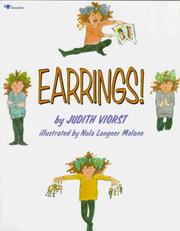
When I got home this evening, I went into my office and started looking through the stack of picture books where I thought the missing book was. I didn’t find it, but I did uncover this, buried for so long I didn’t even know I had it.
Earrings, by Judith Viorst
Barbara featured this book on her Picture Book 10 for 10 post on Saturday. I even commented that I didn’t know the book! So thank you, Barbara, for highlighting this wonderful book, so that I would know what a treasure I had found. Who knows what else is hiding in that pile?

![By Boston Public Library (Flickr: Ebbets Field, Brooklyn. N. Y.) [Public domain], via Wikimedia Commons](https://readingtothecore.com/wp-content/uploads/2013/10/ebbets_field_brooklyn-_ny.jpg)
![By Don Davis/NASA [Public domain], via Wikimedia Commons](https://readingtothecore.com/wp-content/uploads/2013/10/476px-coast_impact.jpg)
 Reading to the Core