Reflections on One Year of Blogging

Image

Today is Reading to the Core’s first birthday! Although my posts have been sporadic at best, I’ve learned a lot over the past year. Since birthdays and anniversaries are always a good time to look back and reflect, here, in no particular order, are my thoughts on becoming a blogger.

The blogosphere is filled with friendly, supportive and generous people. While this may not be true of all corners of cyberspace, this describes the kidlitosphere in spades. I’ve been inspired by you all! Kate Messner’s Teacher’s Write summer camp prodded me to write more. While not everything I wrote in response to her prompts ended up here (trust me, that’s a good thing!), she and all the writers who joined in encouraged me to stretch myself and take risks. Thanks, Kate!

It’s Monday, What Are Your Reading (Book Journey), Tuesday’s Slice of Life (Two Writing Teachers) and Poetry Friday (various hosts, but you can always find the line up at A Year of Reading) have also been especially motivating. Thank you to all you equally busy bloggers who’ve found your way here via one of these memes.

I’m also thankful for the kind words people have left in their comments. I especially appreciate my loyal commenters Colette, Betsy, and Elizabeth. Some people may despair that the internet is changing the world as we know it, but I am incredibly grateful that it allows me to connect with faraway friends so easily.

One of the most eye-opening realizations I’ve had from blogging is just how difficult it is to sit down and compose a half-way intelligible piece of writing. Not one of these posts has been completed in less than an hour, and they have usually been rolling around in my head for a day or two before I begin writing. Why we think our students should be able to sit down and hammer out a fluent story or essay in 45 minutes is beyond me. They should have at least an hour! Seriously, without regular, sustained writing practice, it simply isn’t fair to subject our students to the kind of writing assessments that dominate today’s instructional landscape. As a result of this insight, I have been more mindful of my own writing instruction and my support of teachers implementing writing workshop this year.

Over the next year I’m really going to make a concerted effort to post at least once a week. I have lots left to say about books, teaching, and life in general. Which brings me to the name of this blog. In one sense, the “Core” of the title refers to the Common Core. I think about the implications of the CCSS on instruction almost all the time. (Sad, I know.) And yet, much of what I wrote about over the past year had nothing to do with these standards. They were more about what’s at the core of me: curiosity about the world around us and a passion to help all kids find their own true self, to find their own true core.

Poetry Friday: Mindfulness and the Poet Joyce Sidman

Mindfulness, according to Jon Kabat-Zinn, “means paying attention in a particular way; On purpose, in the present moment, and nonjudgmentally.” Much easier said than done.  Author/illustrator Bryan Collier once asked an audience if they had caught the color of the day that morning when they left the house. In other words, were they being mindful.

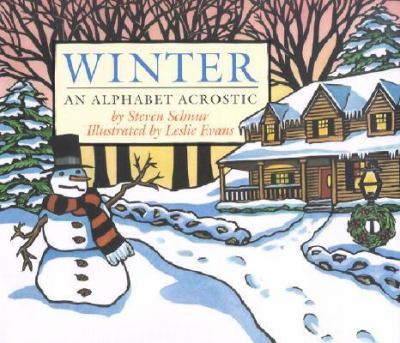
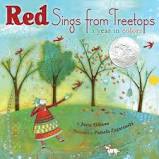
Winter has a reputation for being drab and gray. Sometimes a pristine blanket of white brightens the landscape, but too quickly it becomes trampled and dirty. Earlier this week, while driving to work (the one time of day I remember to be mindful), I was treated to a glorious pink sky. Joyce Sidman’s award-winning Red Sings from Treetops: A Year in Colors immediately came to mind. She writes

“In the WINTER dawn

Pink blooms

powder-soft

over pastel hills.”

Isn’t that lovely? Pamela Zagarenski’s Caldecott-Honor winning illustrations perfectly complement Sidman’s beautifully crafted images.

Image

Sidman’s mindfulness, her keen observation, is evident in every poem. Colors are personified as they change from season to season. Sidman’s imagery seems effortless, yet creates a sense of wonder that makes readers want to rush outside and drink in the beauty that surrounds them.

Teachers across the country have many questions about the place of poetry as they implement the CCSS. Can they even still teach poetry? Of course they can! Reading Literature Standard 4 states that students will “Interpret words and phrases as they are used in a text, including determining technical, connotative, and figurative meanings, and analyze how specific word choices shape meaning and tone.” This begs to be addressed through poetry. Joyce Sidman’s work is a perfect place to start. Not only can students examine her figurative language and word choice, they can follow her example of mindfulness. Teaching students to view the world with awareness so they can gather their own ideas, seeds of writing to come, is just as critical as any skill listed in the standards.

Joyce Sidman’s work deserves a place in all classrooms. Indeed, the National Council of Teachers of English just named her the 2013 winner of the NCTE Award for Excellence in Poetry for Children. Read more about Red Sings from the Treetops and Sidman’s other books here. Congratulations, Joyce, and thank you for creating poems that remind us to always pay close attention to the world around us.

12 for 12–A Picture is Worth 1,000 Words

Last week was filled with family, friends, and, dare I say it, work. So instead of 10 picture books, here are 12 of my favorites.

Picture books have been at the heart of my teaching for the past 17 years. Wordless picture books are particular favorites and I love teaching with them. They are perfect for improving students’ comprehension, writing, and visual literacy skills.

Wordless picture books can be used to support comprehension strategies in all readers, but can be especially useful with young readers as well as older struggling readers. Removing the challenge of decoding allows students to focus all their attention on understanding. They are a perfect scaffold, as they give students an opportunity to understand how to use a strategy to make meaning, then learn how to apply that strategy with print. Wordless picture books can also be used to address CCSS Anchor Standard 7: “Integrate and evaluate content presented in diverse media and formats, including visually and quantitatively, as well as in words.”

Not only do wordless picture books support comprehension development, they offer numerous writing possibilities. Narrative structure, dialogue, and use of details are just a few of the many writing skills that can be addressed through wordless picture books. The humor in many of these titles make them especially appealing to reluctant writers.

Some author/illustrators stand out in the wordless picture book genre. David Wiesner is my favorite, and most teachers are probably familiar with his work.
Image

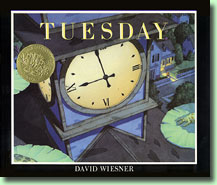
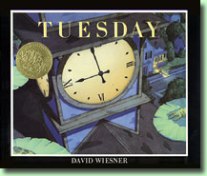
Tuesday, the 1991 Caldecott Medal winner, is a classic. Students love the humor this book, as well as the mystery of the airborne lily pads.
Image

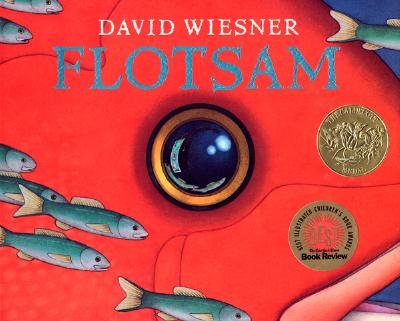
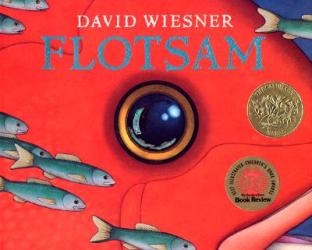
Flotsam, which won the 2007 Caldecott Medal, is a bit more mysterious and is better suited for older readers. They enjoy puzzling over the lush illustrations and discovering the endless creativity of David Wiesner’s imagination.
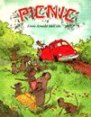
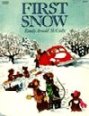
Image                                 Image

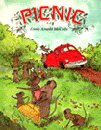
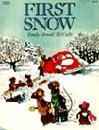
Emily Arnold McCully’s Picnic and First Snow (other titles featuring this family are School and New Baby) are well suited to the youngest readers. Featuring an endearing family of mice, these books chronicle their adventures through the eyes of the youngest sister. Identifiable by her pink hat or stuffed mouse, Kindergarten and first graders will identify with her immediately. Brief text was added in 2003, and although I have not used these versions with students, I prefer the wordless versions. These can sometimes be found at Powell’s, Better World Books or Alibris.
Image

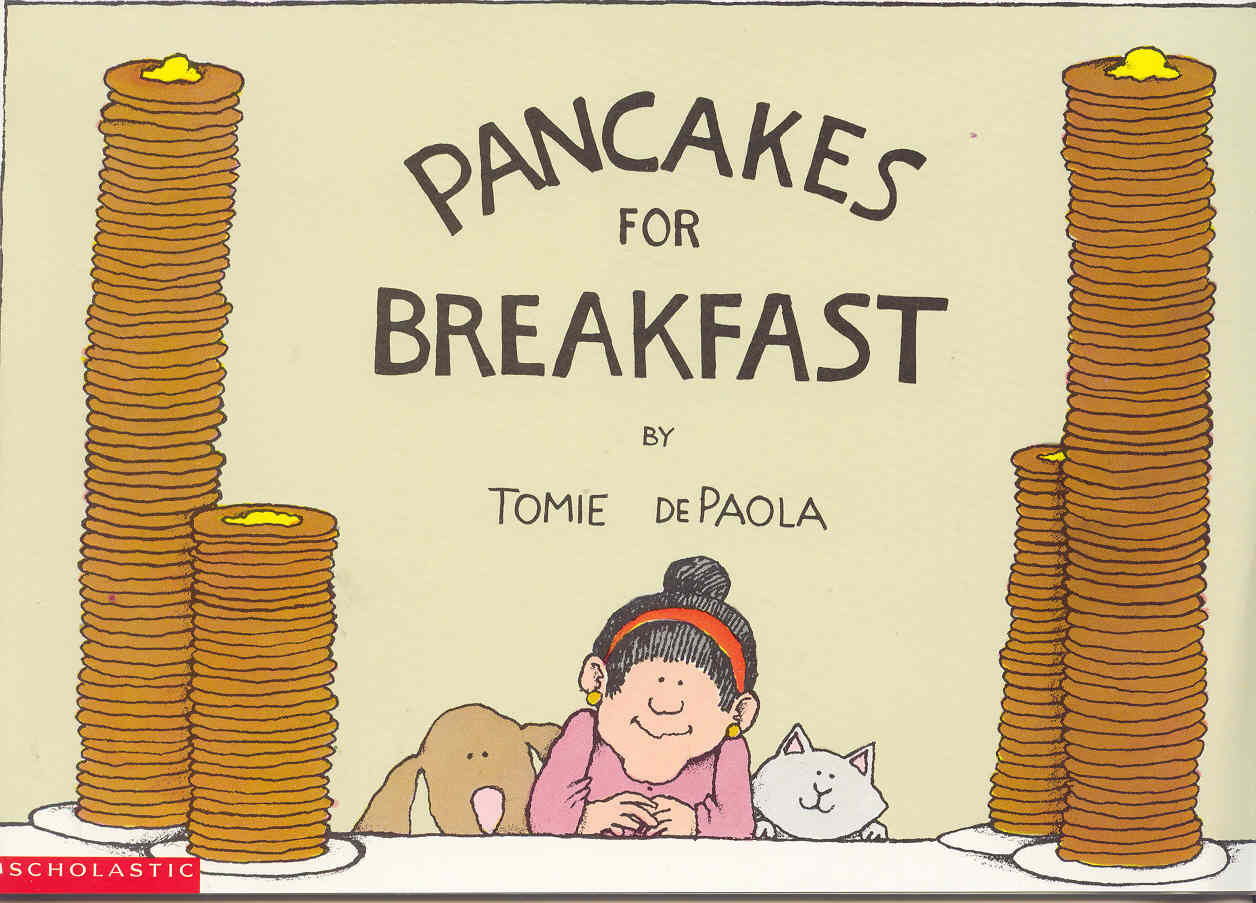
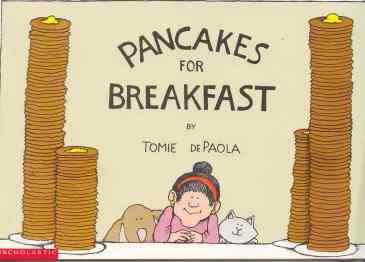
Be sure to read Pancakes for Breakfast, by Tomi dePaola, early in the day before everyone gets hungry. Or better yet, share the story, then make pancakes! The clear sequence in this book make it a perfect choice for writing an interactive how-to book.

Image

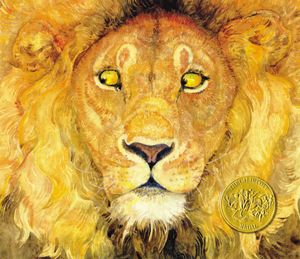
Jerry Pinkney’s The Lion and the Mouse, winner of the 2010 Caldecott Medal, is a lush retelling of a timeless tale.
Image

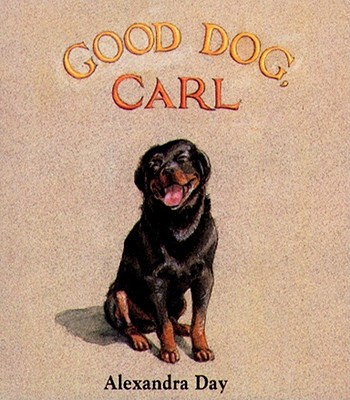
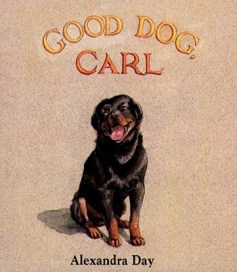
Good Dog, Carl by Alexandra Day. Dogs as babysitters are not new to children’s lit, but Carl is one of the most mischievous and lovable.
Image

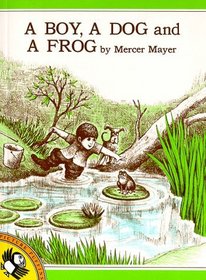
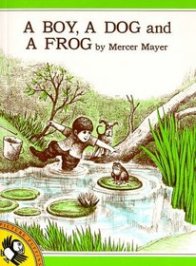
Mercer Mayer’s A Boy, a Dog, and a Frog is filled with the kind of adventures I loved as a kid. Perfectly sized for little hands, this book is the first in a series of the characters’ continuing escapades.
Image

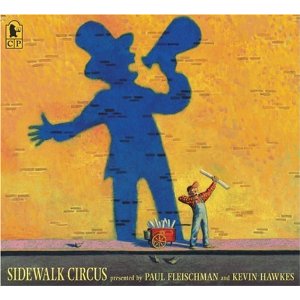
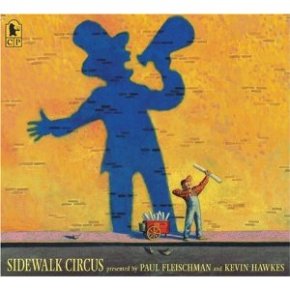
Sidewalk Circus by Paul Fleishman, illustrated by Kevin Hawkes is a very clever look at how, with a little imagination, everyday scenes can evoke completely different situations.
Image

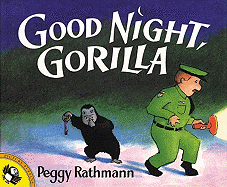
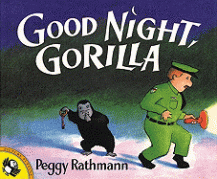
Good Night, Gorilla, by Peggy Rathmann is a mostly wordless gem. Students find great delight on being “in”on the fact that the animals are climbing out of their cages as soon as the zookeeper says goodnight. It just occurred to me that this may be a good text to introduce dramatic irony to older students. Again, those visuals provide lots of support!
Image

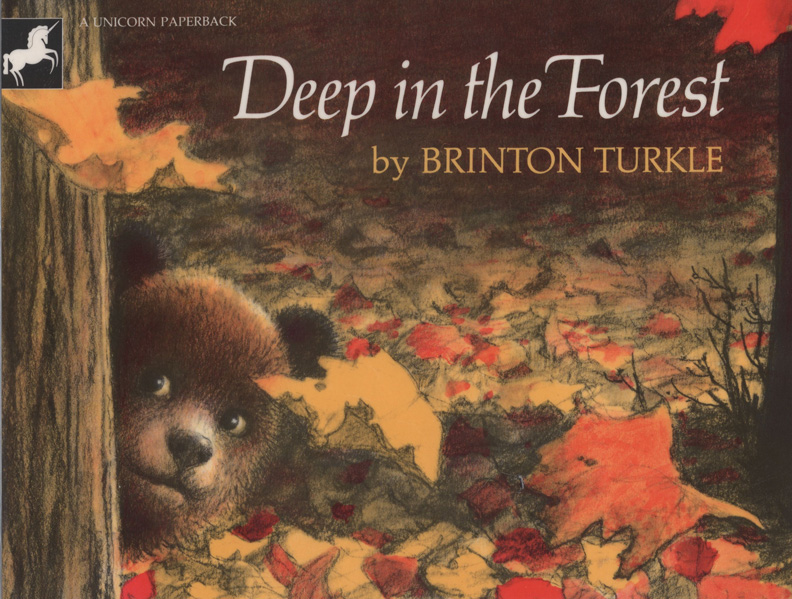
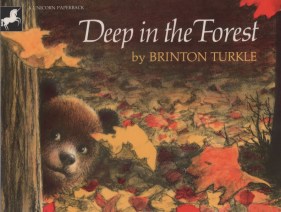
Deep in the Forest, by Brinton Turkle, is a clever variation on Goldilocks and the Three Bears. Teachers could easily pair this with a favorite version of Goldilocks to work on Anchor Standard 9 of the CCSS (Analyze how two or more texts address similar themes or topics in order to build knowledge or to compare the approaches the authors take.)
Image

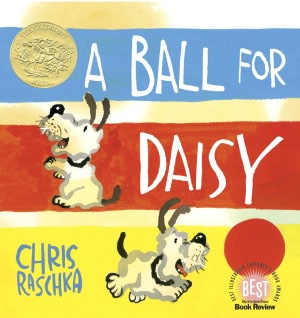
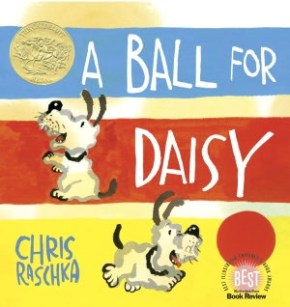
     A Ball for Daisy, by Chris Raschka is this year’s Caldecott Medal winner. Again, students will easily identify with this story of a dog and her ball. Daisy’s expressions are filled with emotion, making these illustrations perfect for introducing inferring.

This is in no way a complete list, just my favorites. I’d love to hear about yours!

Write, Write, Write!

It’s often been difficult for me to just write for the sake of writing. I’ve always thought I needed some larger purpose, like turning images from my morning walks into poems. Or scenarios that pop into my head while observing other people becoming short stories. I’m embarrassed to admit that it’s only recently that I’ve come to understand that all this writing is valuable, whether it eventually turns into something larger or not.

These thoughts were validated recently thanks to several posts from Kate Messner’s Teachers Write! Summer Camp. Last week, Kate shared her secret that “Not everything  you write has to grow up to be something else.” (Read the whole post here.) Today, guest author Amy Ludwig VanDerwater strikes a similar note in her post Hummingbirds on a Wednesday. Her point is to step away and let your mind wander. Trust it to find what you’re looking for.

Both of these ideas have implications for the classroom. Students need to have time to write about their thoughts and ideas, not necessarily to turn them into a published piece, but to practice composing, organizing and clarifying their thinking. As teachers, we must ensure that our students are given this time. Jan Burkins & Kim Yaris have devoted several excellent posts to this very topic on their blog recently. They conclude that the CCSS does provide room for this time for in Anchor standards 4 and 10. Unfortunately, as they point out, these standards aren’t expectations until third or fourth grade. I agree whole-heartedly with their conclusion that this is a mistake, and that students in K-2 are completely capable of meeting this standards. Indeed, if we don’t give our youngest students time to develop as writers, it will be that much more difficult to develop these habits when they’re 8 or 9 years old.

I’ve read many excellent books on writing and the teaching of writing. Most of them are pretty adamant that the only way to become a better writer is to write. I even had this poster up in my classroom when I first started teaching:

Image

However, it wasn’t until I actually started writing on a regular basis that I understood the truth in this. A truth that Leo Leoni’s Frederick (Knopf, 1967) captures perfectly. The other mice scoff at Frederick when he tells them that he is working when he gathers “sun rays for the cold dark winter days” and as he gathers colors, “for winter is gray.” But it is Frederick’s words, his poem of the “Four little field mice who live in the sky. Four little field mice…like you and I,” that save the mice from their bleak and gloomy winter.

Image

     Go and gather images and colors and words. Give your students, not matter how young or old, time to write their thoughts, their hopes, their dreams. We’ll all be richer for it.