Slice 21 of 31: A Book Spine Poem

Image

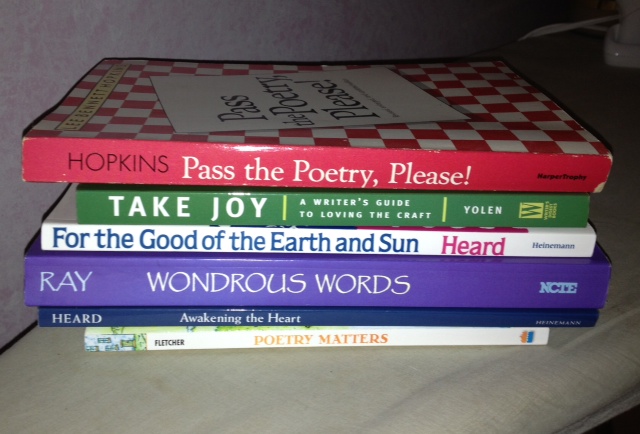
National Poetry Month is just around the corner, and although I teach and use poetry all year, I do make a fuss about all things poetical in April. This book spine poem really wrote itself as I revisited some of my favorite resources:
Image

Pass the Poetry, Please!

Take Joy

For the Good of the Earth and the Sun

Wondrous Words

Awakening the Heart

Poetry Matters

I’ve written before about using poetry with students (here, here  and here) and I know I’ll be writing about it again. For now, here’s a snippit of the wisdom contained within each of these excellent resources.
9780064460620Originally published in 1972, Lee Bennett Hopkins’ book is a classic resource for sharing and teaching poetry. Here is a comment he shares from poet David McCord:

“Poetry is so many things besides the shiver down the spine.” (p. 7)
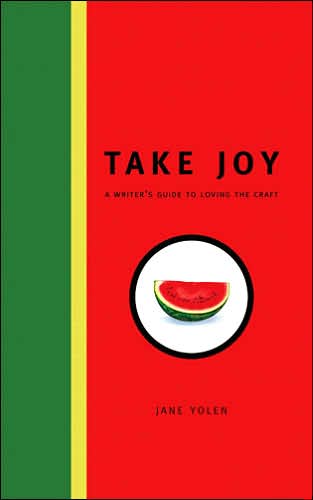
Take-Joy

Jane Yolen is one of my all-time favorite authors. In Take Joy: A Writers Guide to Loving the Craft (Writers Digest Books, 2006), her wisdom and passion for writing permeate every page.

“…poetry, at it’s most basic, is a short, lyrical response to the world. It is emotion under extreme pressure or recollection in a small space. It is the coal of experience so compressed it becomes a diamond.” (p. 87)
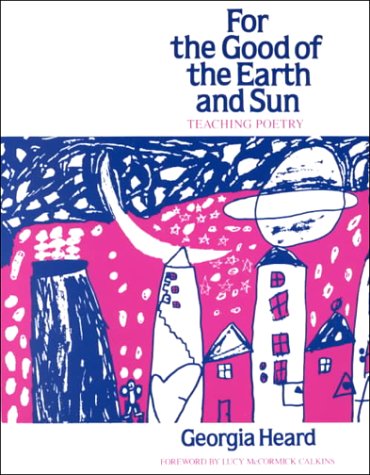
043508495X

For the Good of the Earth and the Sun: Teaching Poetry (Heinemann, 1989), by Georgia Heard, is filled with practical advice and inspiration. In chapter 5, “Language:  The Poet’s Paint,”  she offers this:

“Sometimes I pretend a word is like a geode: rough and ordinary on the outside, hiding a whole world of sparkling beauty inside. My job as a poet is to crack the words open to find that inner treasure.” (p. 74)
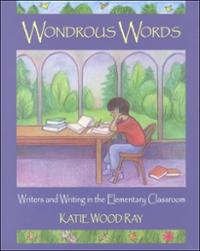
wondrous-words-writers-writing-in-elementary-classroom-katie-wood-ray-paperback-cover-art

Wondrous Words: Writers and Writing in the Elementary Classroom (NCTE, 1999), by Katie Wood Ray, was a revelation to me. Here were the answers I’d been looking for about how to teach writing. Ray’s thoughts about read aloud confirm what we know in our hearts:

“Our students need to be…fortunate enough to be read to every single day by someone who values wondrous words and knows how to bring the sounds of those words to life in the listening writer’s ears and mind and heart.” (p. 69)
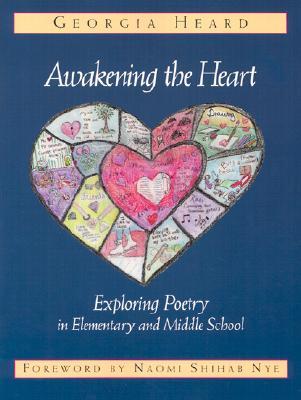
27041

Georgia Heard offers more thoughts about teaching poetry in Awakening the Heart: Exploring Poetry in Elementary and Middle School (Heinemann, 1999).

“One of the most important life lessons that writing and reading poetry can teach our students is to help them reach into their well of feelings–their emotional lives–like no other form of writing can.” (p. xvii)
poetry%20matters

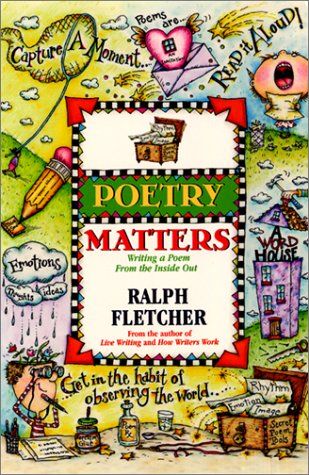
Ralph Fletcher wrote Poetry Matters: Writing a Poem From the Inside Out (HarperTrophy, 2002) for kids, but it’s one of my favorite books about the craft of poetry. Speaking directly to children, he advises them

“There is poetry everywhere. [Write] What you wonder about. In my book A Writer’s Notebook, I wrote a chapter on ‘fierce wonderings’ and ‘bottomless questions.’ These are the kinds of haunting questions you can live and ponder but never really answer. Not surprisingly, these ‘wonderfull’ questions provide great grist for poems.” (p. 51)

Thank you to Stacey and Ruth at Two Writing Teachers for hosting this Slice of Life Challenge!
Slice 20 of 31: Challenges

Image

Yesterday was a challenging day. Since what constitutes a challenge in my life pales in comparison to the real challenges faced every day by many, many others, I’ll spare you the details. When I sat down to write this, I intended to write something like, “I really don’t have the energy for writing tonight.” I pulled out my most recent journal with every intention of finding a halfway interesting entry and posting that. But then I got to thinking about the word challenge. Posting something I wrote a year ago didn’t seem like an acceptable offer to a challenge or to the friends I’ve made over the past few weeks. What does the word really mean, anyway? We all have a working definition in our head, but what does the dictionary say? The entry in my trusty World Book Dictionary (which came with the set we purchased when our oldest son started first grade in 1986) takes up more than half the column. The meanings of challenge as a verb are listed first:

  • “to call to a game or contest; dare”
  • “to call to fight” “to stop (a person) and question his right to do what he is doing or to be where he is”
  • “to demand proof before one will accept; call in question; doubt; dispute”
  • “to claim or command (effort, interest, or feeling)”

There were several other verb definitions, and the noun definitions were all variations on those for the verbs. The events of my day definitely claimed my feelings, commanded my interest, and my effort. And now that I’ve devoted more than 30 seconds of interest and effort to this post, I feel better. Not completely satisfied, but better. I didn’t back down in the face of a challenge.

Thank you to Stacey and Ruth at Two Writing Teachers for hosting this Slice of Life Challenge!

Slice 19 of 31: Play, Bill Harley and the CCSS

Image

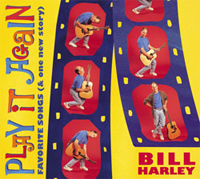
Yesterday I spent an hour with Kindergarteners. I love going into Kindergarten classrooms. The energy and enthusiasm of 5 and 6 year olds is contagious. Our celebration of kindness continued with a lesson built around storyteller/singer/songwriter/ Bill Harley’s “Sitting Down to Eat.” A variation of the folktale, “The Mitten,” the narrator is continually interrupted as he’s trying to eat, yet he always manages to find room for one more.

ImageI love using non-print resources to help kids learn important comprehension strategies. Taking away the print removes a layer of difficulty for struggling readers, but also allows developing readers to engage with material they aren’t ready to read but are certainly ready to comprehend. We do this all the time with read-alouds.

Maybe I shouldn’t be surprised that some kids don’t automatically visualize, given the amount of time they spend in front of screens. Poetry and songs are a perfect choice for developing this critical comprehension skill. I always begin this kind of lesson by demonstrating how to visualize. I have a few tried-and-true favorites, but any brief, descriptive poem will work. Then I tell them I’m going to play a song. Their job is to close their eyes and listen for words in the song they can use to make a picture in their head. Most of the kids are very serious and tightly scrunch their eyes; others are skeptical and leave their eyes half open. When the song is over, I have the students share what they were visualizing with a partner.  Usually, we listen to the song at least two more times as students create an illustration to match their visualization.

Harley’s song is made for movement. So after listening once, the kids were on their feet, dancing and gesturing knocking on the door. They all joined in on the chorus and had great fun acting out the ending. By the time they were sitting down on the rug again, they were able to work together to put pictures of the animals in the order they knocked on the door, match the names of the animals to the correct picture, and talk about the importance of sharing. Each child also created a page for a class book about who they like to share with.

This lesson strives to incorporate the CCSS (Kindergarten RL standards 1, 2 & 3) in a way that preserves “play, imagination and discovery” which, as Deborah Kenny in a recent Washington Post op-ed states, “are how kindergarteners learn.”

For more of Bill Harley’s brilliance, watch his TEDx talk:

Thank you to Stacey and Ruth at Two Writing Teachers for hosting this Slice of Life Challenge!
Slice 18 of 31: It’s Monday! What Are You Reading?

Image

Over the past week I’ve had some family events that have kept me busy, as well as trying to keep up with all the incredible writing being done for the Slice of Life Challenge going on over at Two Writing Teachers. Needless to say, I really haven’t had time to read many books.

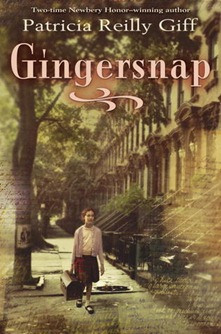
I did start Patricia Reilly Giff’s latest, Gingersnap (Wendy Lamb Books, 2013). I’m a big fan of Giff’s historical fiction, and when I found out this book was set in Brooklyn during World War II, I had to get it. I’ve been working on a project that takes place in Brooklyn during the same period, and I wanted to see how she handled the dialogue. So far I haven’t been disappointed.

Image

Patricia Reilly Giff has written many other books for kids. Here are a few of her historical fiction titles that I’ve enjoyed.

Image

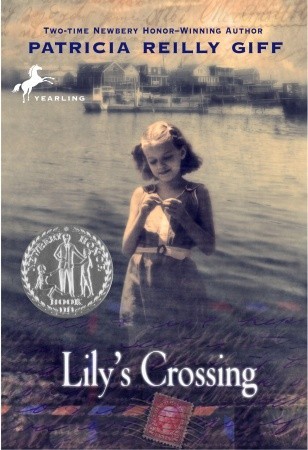
Newbery Honor book Lily’s Crossing (Delacorte Books for Young Readers, 1997)

Image

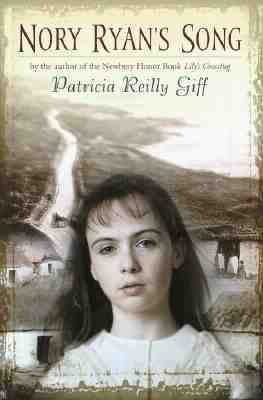
Nory Ryan’s Song (Delacorte Press, 2000)

Image

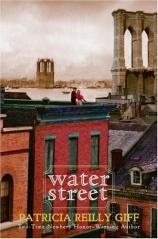
Water Street (Wendy Lamb Books, 2006)

Image

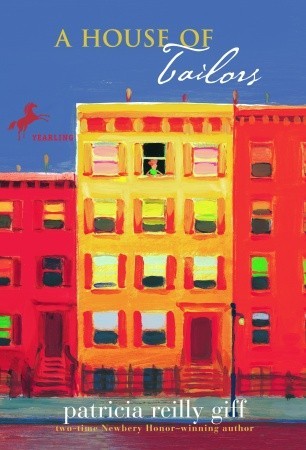
A House of Tailors (2006)

You can watch an interview with Giff here:

Random House has an extensive list of Giff’s books and other resources for using her books in the classroom. Unfortunately, it hasn’t been updated recently.

Check out what others are reading today by visiting Jen and Kellee at Teach Mentor Texts. Thank you to Stacey and Ruth at Two Writing Teachers for hosting this Slice of Life Challenge!
Slice 17 of 31: Common Core Connections and Teaching Science

Image

Last weekend, at the TCRWP Saturday Reunion, I attended Elizabeth Moore’s session titled “Reading, Writing, Content Area, and Common Core Connections: Using Our Best Methods to Teach Science.”  One of her main points was that we can use shared demonstrations and experiences to support non-fiction reading and writing. She emphasized that by giving students concrete experiences to write from, we can develop language arts skills through our science curriculum. Incorporating science topics into read aloud selections is another important element in supporting science instruction. While primary teachers have been doing this kind of experiential writing for decades, there is a new urgency to our instruction since by the end of second grade, students are expected to “Write informative/explanatory texts in which they introduce a topic, use facts and definitions to develop points, and provide a concluding statement or section.” (W.2.2)

Moore suggested using shared and interactive writing to write about the procedures of science activities. Break the writing down into manageable chunks and do a little each day.  Here is one possible routine:

Day 1–do experiment

Day 2–write procedures

Day 3–write findings & conclusions

Day 4–hypothesis–this could be done on day 2

Another point that Moore emphasized was that kids don’t necessarily ask good questions, so we have to teach them through modeling and practice. She shared these video clips to demonstrate asking and answering questions:

Sesame Street: Cookie Monster Questions Prairie Dawn

The Adventures of Asking Elmo

When I taught third grade, we taught a unit on the life cycle of plants. We sprouted beans, peas, and corn, then grew bean plants. As someone who came of age in the 70s, I thought sprouting an avocado would be a good addition to this unit. The kids loved checking the pit each day for signs that it would sprout, although many had doubts that anything green was going to ever come out of the very dead looking pit.

We kept track of how long it took the pit to sprout, then measured the growth of the seedling, which we eventually planted in soil. We created graphs galore to go along with this unit, but I don’t remember ever writing about it. What a missed opportunity!

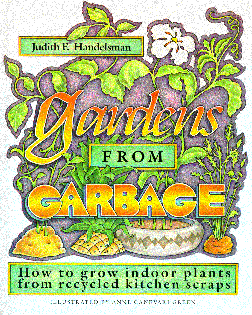
During this unit there were a number of informational texts that I read aloud to the class, but I haven’t taught this unit in eight years, and I’m sure many new and wonderful books have been published in the meantime. One of my favorites was From Seed to Plant  by Gail Gibbons (Holiday House, 1991). A favorite of mine was Gardens from Garbage. This book inspired us to branch out and try to sprout other plants:

Image
Gardens From Garbage, by Judith Handlesman (Millbrook Press 1994). Unfortunately, this is out of print.

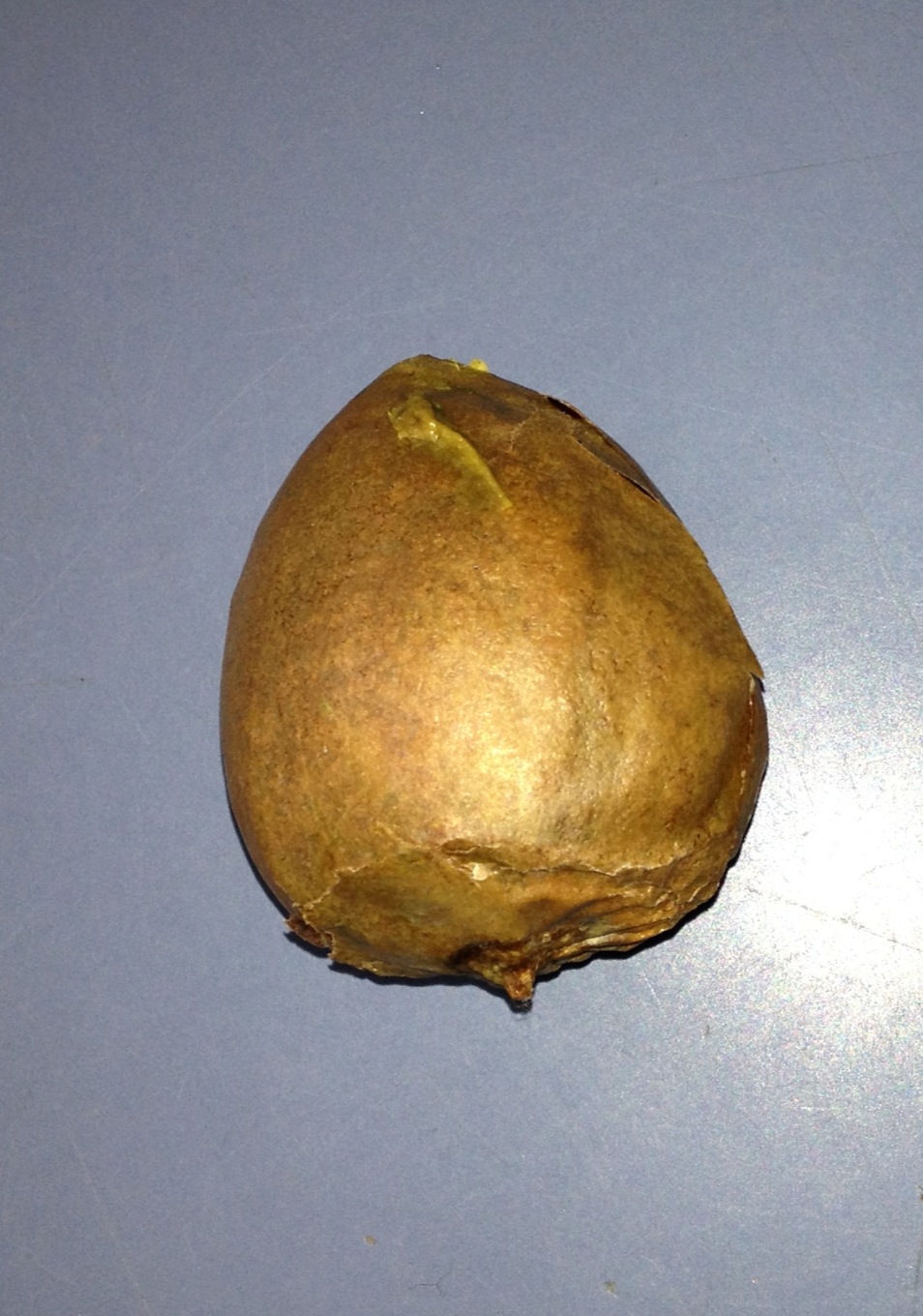
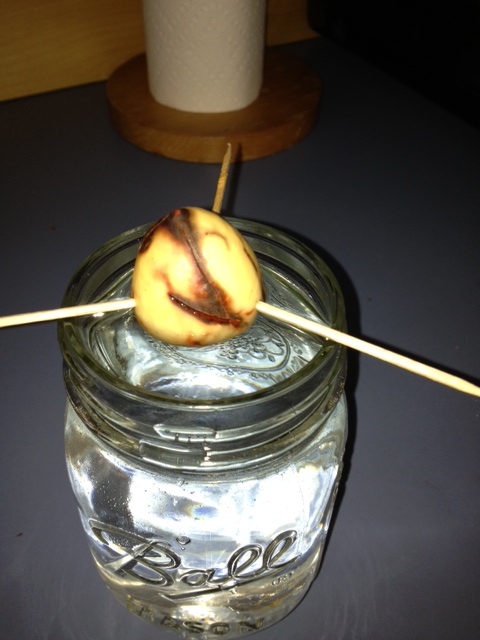
Coincidentally, my son made guacamole last week, so I asked him to save the avocado pit. After letting it dry out for a few days, I peeled the outer skin, poked three toothpicks into the side, and suspended it in a jar of water. This kind of shared experience involves a longer time frame than Moore’s demonstration, but still accomplishes her goal of giving students a concrete experience to write about.

Unpeeled avocado pit
Will it sprout?

Thank you to Elizabeth Moore for her inspiring session, and thank you to Stacey and Ruth at Two Writing Teachers for hosting this Slice of Life Challenge!

Slice 16 of 31: An Afternoon at the Opera

sols_6

Today I went to the local movie theater to see an HD simulcast of this afternoon’s performance of Riccardo Zandonai’s opera Francesca da Rimini by the Metropolitan Opera. The tragic story of Francesca and her lover, Paolo, which was immortalized by Dante in The Inferno (and which I wrote about briefly here), has inspired numerous plays, operas, and paintings over the centuries.This production, which was last performed in 1984, is stunning. Francesca and her attendants wear gorgeous gowns in rich, deep colors covered with sumptuous embroidery. The sets transport you to 13th century Italy, and the music is filled with the passion of these desperate lovers.

T.S. Eliot wrote that “Immature poets imitate, mature poets steal.” The numerous versions of this story speak to the unending influence of its original source, which in turn contains countless references and allusions to other works of literature. In his brief telling of Paolo and Francesca’s story, Dante includes lines about Lancelot and Guinevere. While a reader or viewer of the opera doesn’t have to have knowledge of these works to understand what’s going on, having that knowledge deepens their appreciation of the story.

Last weekend, in her closing remarks at the TCRWP Saturday Reunion, Lucy Calkins urged teachers to build our knowledge base about the CCSS. She urged us to be wary of the Publishers’ Criteria, written by David Coleman and Susan Pimentel, which directly contradict the standards and intentions laid out in the original document. Anchor standard nine of the CCSS expects that students will be able to “analyze how two or more texts address similar themes or topics.” Eighth grade readers are specifically asked to:

Analyze how a modern work of fiction draws on themes, patterns of events, or character types from myths, traditional stories, or religious works such as the Bible, including describing how the material is rendered new. (RL.8.9)

Yet in the Publishers’ Criteria, Coleman and Pimentel demand that readers “focus on what lies within the four corners of the text.” How will students successfully meet standard nine if they can’t leave the confines of the text in front of them? Why would we make them try?

I’m glad I didn’t have to stay within the four corners of Zondanai’s opera this afternoon. I had a much richer experience.

Thank you to Stacey and Ruth at Two Writing Teachers for hosting this Slice of Life Challenge!
Slice 2013 15 of 31: A Big Sister Poem for Poetry Friday

Image

Earlier in the week I wrote about using Miss Rumphius to address Common Core standard 3.3, which deals with characters, their traits, motivations, feelings, and how their actions contribute to the sequence of events. While there are many picture books and chapter books that can and should be used to address this standard, I wanted to include poetry in the unit we’re developing.

Image

Kristine O’Connell George’s Emma Dilemma: Big Sister Poems (Clarion Books, 2011; illustrated by Nancy Carpenter) is ideally suited for this unit. These short poems are told from the point of view of Emma’s older sister, Jessica. Each poem deals with the daily life of a typical fourth-grader and her feelings about Emma. Taken together, the poems form a loose narrative chronicling Jessica’s evolving feelings toward Emma. An older sister myself, I especially appreciated this poem:

“Role Model”

Emma copies

everything I do

and sometimes

I don’t do

something

I might do

or really

want to do

because

I know

she is

always

watching

every single thing I do.

You can watch the trailer here:


Sylvia Vardell has collected much more information about Kristen O’Connell George, Emma Dilemma, and using this book in the classroom on her blog, Poetry for Children.

By the way, my sister hasn’t copied anything I’ve done for at least 40 years. And now we’re best friends.

Poetry Friday is at Check It Out today. Thanks for hosting!

Thank you to Stacey and Ruth at Two Writing Teachers for hosting this Slice of Life Challenge!
SOLC 2013 14 of 31: Distant Dreams

Image

Can I say again how incredible this Challenge is and how grateful I am to be participating? People are writing amazing, beautiful stories. My only regret is that I really only have time to read a fraction of them. One of the blogs that I’ve discovered through SOLC is Kelly Mogk’s Project Chameleon. On Tuesday, Kelly shared Brigit Zinn’s heartbreaking story. She also talked about having unclaimed writing dreams that, for whatever reason, we are not fulfilling; goals that we’re not even working toward fulfilling.

This inspired me to back through my notebooks to see what was languishing there. Something for a story? The first lines of a poem?

I found this, written on Jan. 16, 2011

Writing exercise via The Huffington Post: Pick the 7th book from your bookshelf, open to the 7th page, find the 7th line, then write a 7 line poem that begins with that line.

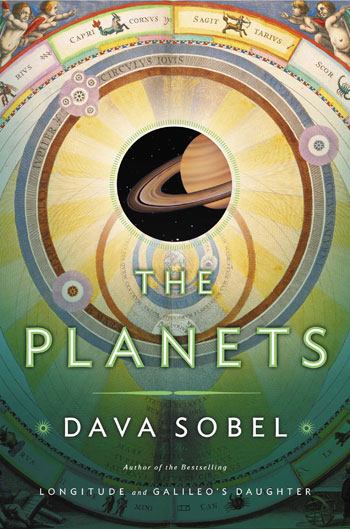
The 7th book: The Planets, by Dava Sobel (Viking, 2005).

sobel_dava_planetscover2

The 7th sentence on the 7th page:  “Even though Pluto remained unexplored, deemed too distant and too difficult to visit, it’s own unexpected moon was discovered accidentally in 1978, through careful analysis of photographs taken by ground-based telescopes.”

Rather unwieldy for a poem. However, I think “too distant and too difficult” has possibilities.

Too distant are you from me now;

Our hearts diverged long ago

Too difficult the journey back

Your dreams led down a different path

Back to today. This feels unfinished, but I don’t think I would change what’s already here. Will I make the time today to work on this poem? It’s unlikely. Over the next week? Maybe. But now it’s back in my head, and I can think about it. I can try to follow it to the end of its path.

Thank you to Stacey and Ruth at Two Writing Teachers for hosting this Slice of Life Challenge!
Slice 2013 13 of 31: Love It or Loathe It

Image

Last week I worked with two reluctant writers in an after-school support program. Their regular teacher had a family emergency just an hour or so before the end of the day, and was in quite a panic. I told her not to worry, to go home and I would take care of her students. After she left, I had a brief “What was I thinking?” moment, then realized that I knew exactly how we’d spend the hour.

Image

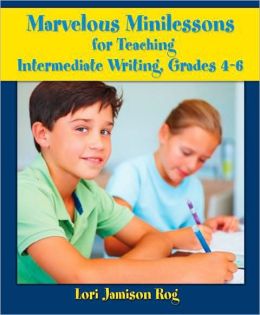
I recently bought a copy of Marvelous Minilessons for Teaching Intermediate Writing, Grades 4-6, by Lori Jamison Rog (International Reading Association, 2011). In the first chapter, Rog provides a concise but thorough overview of the writing workshop. The rest of the book is organized by topics such as prewriting, elaboration, craft, and specific genres. The chapter on prewriting had an activity that I was sure would engage these students. They both loved to talk and had plenty to say, but had difficulty getting their thoughts down on paper.  “Love It or Loathe It” is essentially a two column chart that allows students to generate lists of things they really love or really loathe. As we know, and as Rog points out, “the best writing comes from topics that a writer feels strongly about” (p. 33). To help them get started, I shared my “Love It or Loathe It” list.

        Love It       Loathe It
  • my family
  • my dog, Lucy
  • my cat, Noodles
  • chocolate
  • reading
  • writing
  • knitting
  • walking
  • swimming
  • baking
  • injustice
  • meanness
  • being wasteful
  • bitter foods, olives in particular
  • being late
  • not having enough time to read more books
  • living 7 hours away from my son & daughter-in-law
  • procrastination

It took them a few minutes, but once they got started, they produced quite a lengthy list. We had a lively conversation around their topics, with an item from one student’s “Love It” list reminding the other of something they loathed. After about 10 minutes, they chose a topic to write about. When the hour was up, they didn’t want to stop and took their writing home to keep working. That’s the way I love to end a lesson.

What do you love? What do you loathe?

Thank you to Stacey and Ruth at Two Writing Teachers for hosting this Slice of Life Challenge!
Slice 2013 12 of 31: Revisiting a Classic: Miss Rumphius

Image

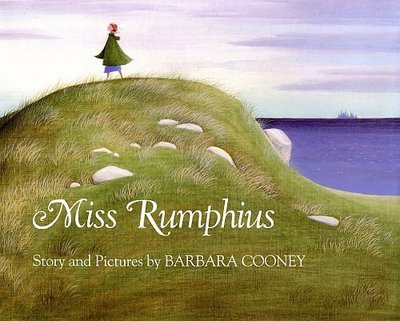
This afternoon I spent some time developing a unit of study on characterization for 3rd grade. Common Core Standard 3.3 states that students will “Describe characters in a story (e.g. their traits, motivations, feelings) and explain how their actions contribute to the sequence of events.” We currently use William Steig’s Brave Irene to introduce the idea that readers learn about characters by noticing their actions, their thoughts, and what they say. For now, we’re not going to change this. The CC standard goes deeper, though. Examining a character’s motivations isn’t something we’ve taught before. Thinking about how a character’s actions contribute to the sequence of events sounds like cause and effect, but this can be challenging for third graders. I know we’re going to have to model this more than once, and provide lots of opportunities for students to practice this deeper thinking.  With this in mind, I went through a shelf of picture books looking for another appropriate text and found Miss Rumphius, Barbara Cooney’s gorgeous story of a woman who wanted to make the world a more beautiful place. This book is one of my all-time favorites. I lived in Camden, Maine for two summers during college, and I have vivid memories of driving down Rt. 1 for the first time and seeing all the lupines growing wild. Needless to say, I think this book is an ideal choice to share with students to address this or any other standard.

Image

I did check the Lexile level (although I have many misgivings about this metric; more about these in another post) and Miss Rumphius, with a Lexile level of 680, is within the 2-3 grade level band. I also used the “Qualitative Measures Rubric” for literary text to evaluate the story in terms of its meaning, text structure, language features, and knowledge demands. As is often the case with rubrics, it was difficult to pinpoint where this narrative falls. Miss Rumphius is a frame story, which increases its complexity. Yet the story within the frame is told chronologically. There is some archaic vocabulary. Students are probably unfamiliar with words such as “stoop,” “figurehead,” and “prow.” Allusions to the cultures of the far-off lands Miss Rumphius visits also increase the complexity level of this story. After going through this process, I felt my instinct to use Miss Rumphius was validated. It may seem that this was a waste of time, but, as Lucy Calkins pointed out in her closing remarks at Saturday’s TCRWP Reunion, teachers have to build their knowledge base about the CCSS. Being familiar with this qualitative rubric is critical if we are to keep appropriate books in the hands of our students. Relying on Lexiles alone would be dangerous and unacceptable.

Will subjecting this beloved story to lessons based on the CCSS ruin it? Only if we let it. Again, if we know what the standards say, and design lessons that incorporate best practices to meet them, our students should be able to gain deep insight into a character who is generous and warm-hearted, motivated by her desire to have adventures, and to fulfill her grandfather’s directive to “make the world more beautiful.”

Thank you to Stacey and Ruth at Two Writing Teachers for hosting this Slice of Life Challenge!