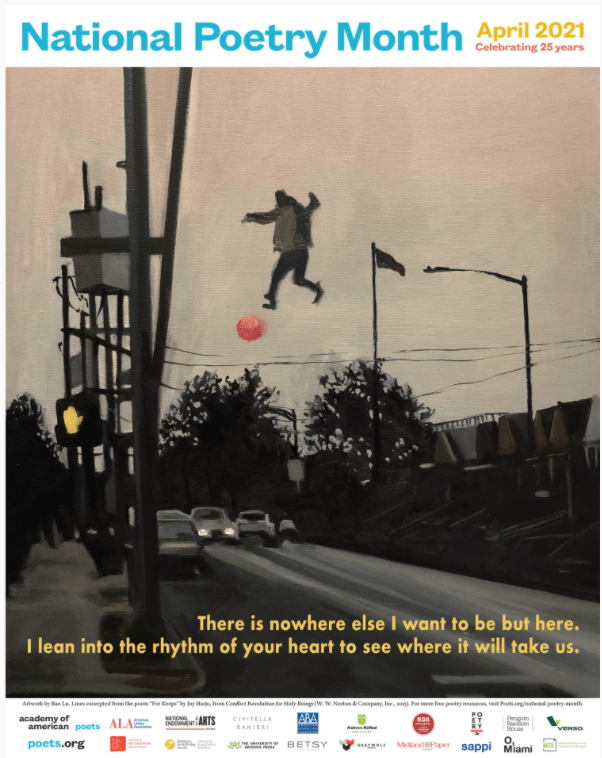
National Poetry Month: Writing Wild, Day 6

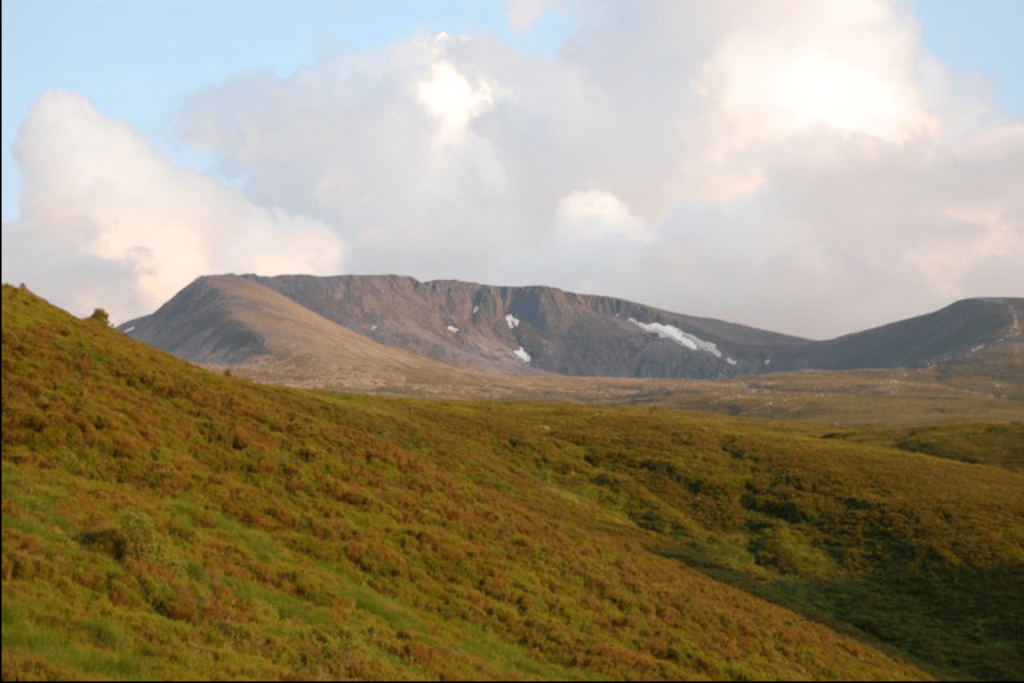
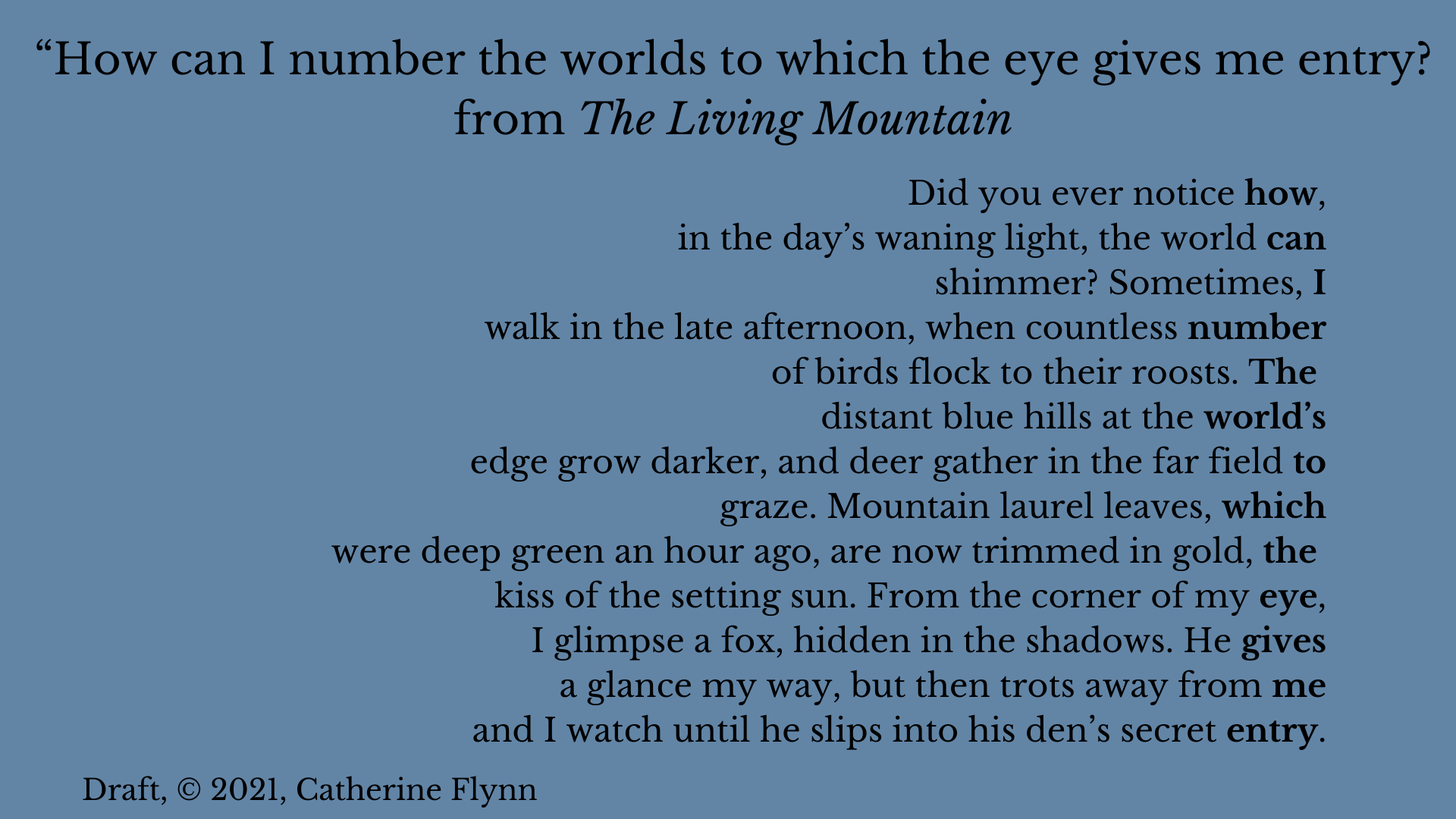
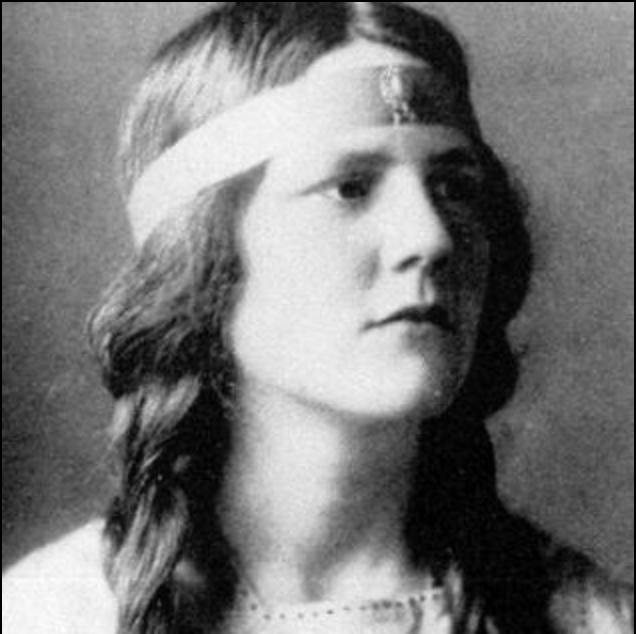
In 1870, Nan Shepherd’s ancestors were farming sheep in the highlands of northeast Scotland. One hundred or so miles away, on the other side of the Cairngorm Mountains, my great-great-grandparents were preparing to leave Inverness for the United States. Their son, John Stuart, eventually settled in the hills of western Connecticut, where he farmed until his death in 1955. I have lived on land that was once part of that farm, where cattle grazed and apple, quince and pear trees blossomed every spring, for the past 35 years. And although the connection is tenuous, I feel a deep affinity for Nan Shepherd and her love of the Cairngorms.

Shepherd wrote three novels and a volume of poetry before publishingThe Living Mountain. It is this book for which Shepherd is best remembered today. Maria Papova describes The Living Mountain as “a most unusual braiding of memoir, field notebook, and philosophical inquiry irradiated with the poetic.”

Choosing a form for today’s poem was a challenge, but in the end I opted for another Golden Shovel.
Previous Writing Wild posts:

Day 1: Dorothy Wordsworth
Day 2: Susan Fenimore Cooper
Day 3: Gene Stratton-Porter
Day 4: Mary Austin
Day 5: Vita Sackville-West
National Poetry Month: Writing Wild

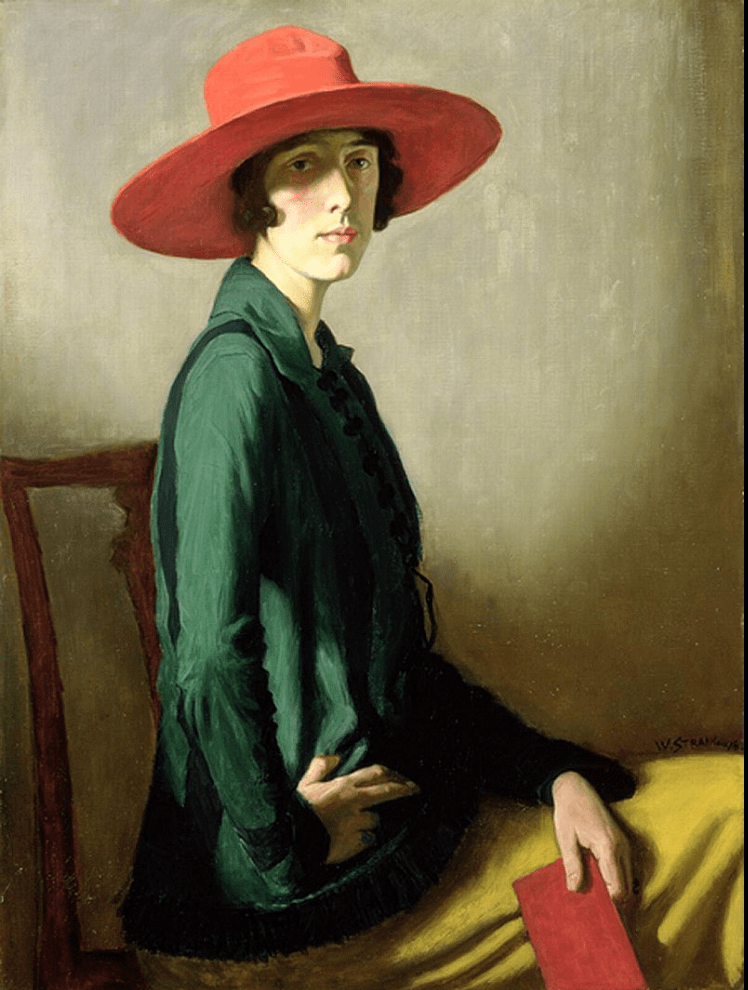
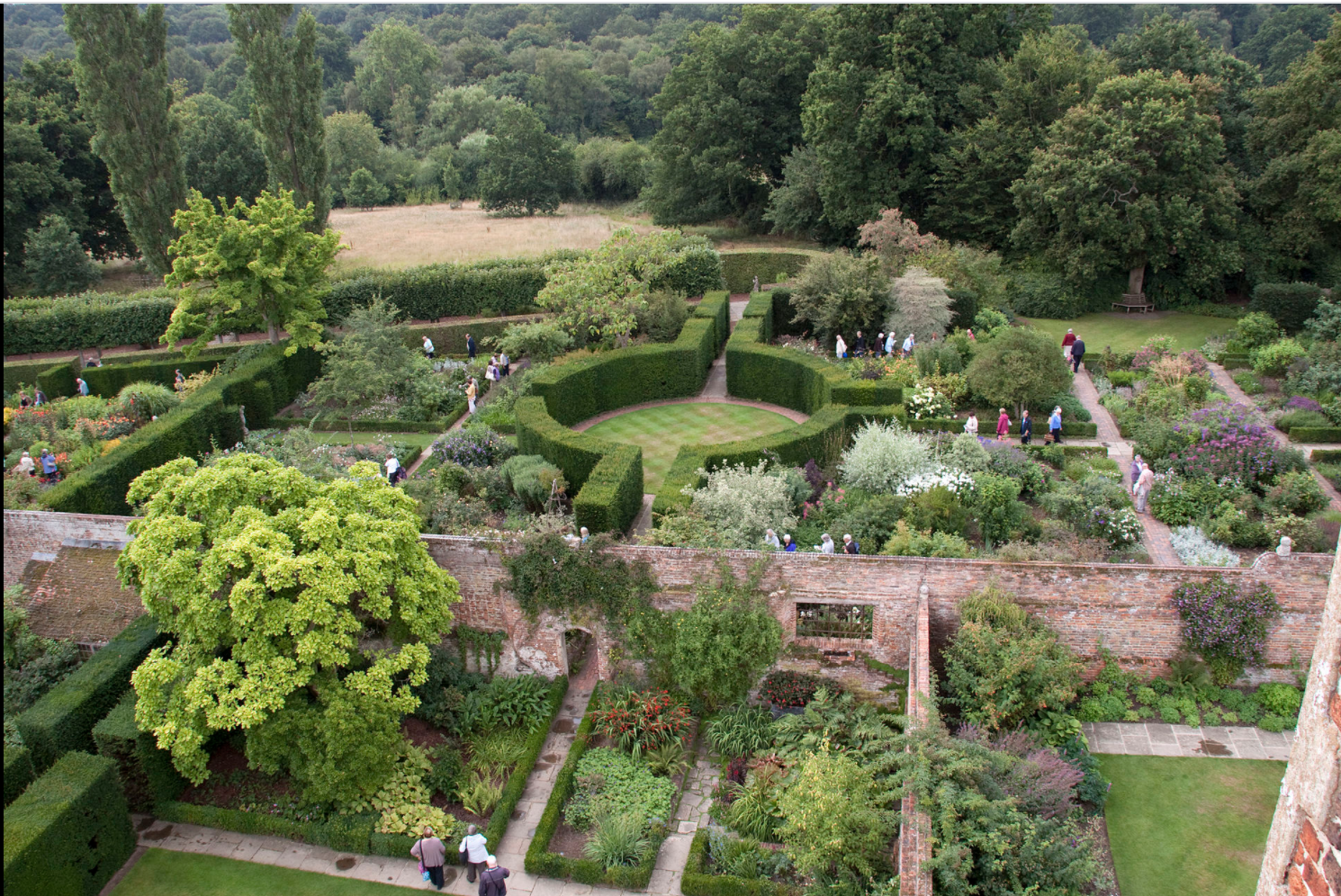
Vita Sackville-West, today’s featured author, is remembered by many as the lover of Virginia Woolf. Many more people remember her today because of the world-famous gardens at Sissinghurst Castle, in Kent, England, which she and her husband, Harold Nicolson, created after they bought the run-down property in 1930. Sackville-West was also a prolific poet, essayist, novelist. For many years she wrote “In Your Garden,” a weekly column about gardening that appeared in the Observer.

Because Sackville-West was such a prolific author (she even has her own Twitter feed!), I decided to gather a bouquet of lines and write a cento. I may have broken the rules a bit by changing tenses to help lines fit together. These words are italicized. Most of these lines come from her poem “The Garden” or her gardening columns.

The Art of Gardening

Beneath the snowy mountains of the sky,
we are watching daffodils come up in the orchards:
Evidence of life.
In April, the angel of the months, the young love of the year,
the possibilities are really unlimited.

Soon, the morning glory climbs toward the sun,
a pale blue drift,
some magic in this humbler sphere.
Overblown with roses,
I like generosity wherever I find it.

Like recurrent patterns on a scroll, 
a vast mauve-and-green cobweb, 
quivers with its own lightness and buoyancy.
Wafts of vanilla come to me,
and everywhere bees go racing with the hours,
eternally renewed evidence 
of a determination to live.
As daily life accepts the night’s arrest,
Autumn in felted slippers shuffles on, muted yet fiery
In one defiant flame before they go.

But you, oh gardener, poet that you be though unaware,
now use your seeds like words
and make them lilt with color nicely flung,
always looking forward to doing something better than before.

Previous Writing Wild posts:

Day 1: Dorothy Wordsworth
Day 2: Susan Fenimore Cooper
Day 3: Gene Stratton-Porter
Day 4: Mary Austin