Slice 17 of 31: Common Core Connections and Teaching Science

Image

Last weekend, at the TCRWP Saturday Reunion, I attended Elizabeth Moore’s session titled “Reading, Writing, Content Area, and Common Core Connections: Using Our Best Methods to Teach Science.”  One of her main points was that we can use shared demonstrations and experiences to support non-fiction reading and writing. She emphasized that by giving students concrete experiences to write from, we can develop language arts skills through our science curriculum. Incorporating science topics into read aloud selections is another important element in supporting science instruction. While primary teachers have been doing this kind of experiential writing for decades, there is a new urgency to our instruction since by the end of second grade, students are expected to “Write informative/explanatory texts in which they introduce a topic, use facts and definitions to develop points, and provide a concluding statement or section.” (W.2.2)

Moore suggested using shared and interactive writing to write about the procedures of science activities. Break the writing down into manageable chunks and do a little each day.  Here is one possible routine:

Day 1–do experiment

Day 2–write procedures

Day 3–write findings & conclusions

Day 4–hypothesis–this could be done on day 2

Another point that Moore emphasized was that kids don’t necessarily ask good questions, so we have to teach them through modeling and practice. She shared these video clips to demonstrate asking and answering questions:

Sesame Street: Cookie Monster Questions Prairie Dawn

The Adventures of Asking Elmo

When I taught third grade, we taught a unit on the life cycle of plants. We sprouted beans, peas, and corn, then grew bean plants. As someone who came of age in the 70s, I thought sprouting an avocado would be a good addition to this unit. The kids loved checking the pit each day for signs that it would sprout, although many had doubts that anything green was going to ever come out of the very dead looking pit.

We kept track of how long it took the pit to sprout, then measured the growth of the seedling, which we eventually planted in soil. We created graphs galore to go along with this unit, but I don’t remember ever writing about it. What a missed opportunity!

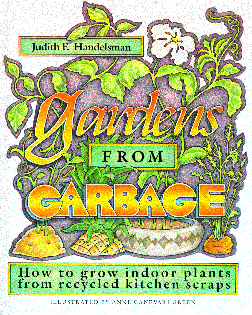
During this unit there were a number of informational texts that I read aloud to the class, but I haven’t taught this unit in eight years, and I’m sure many new and wonderful books have been published in the meantime. One of my favorites was From Seed to Plant  by Gail Gibbons (Holiday House, 1991). A favorite of mine was Gardens from Garbage. This book inspired us to branch out and try to sprout other plants:
Image
Gardens From Garbage, by Judith Handlesman (Millbrook Press 1994). Unfortunately, this is out of print.

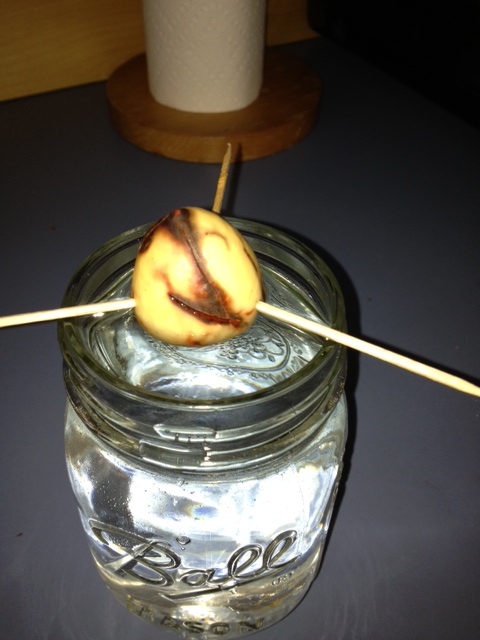
Coincidentally, my son made guacamole last week, so I asked him to save the avocado pit. After letting it dry out for a few days, I peeled the outer skin, poked three toothpicks into the side, and suspended it in a jar of water. This kind of shared experience involves a longer time frame than Moore’s demonstration, but still accomplishes her goal of giving students a concrete experience to write about.
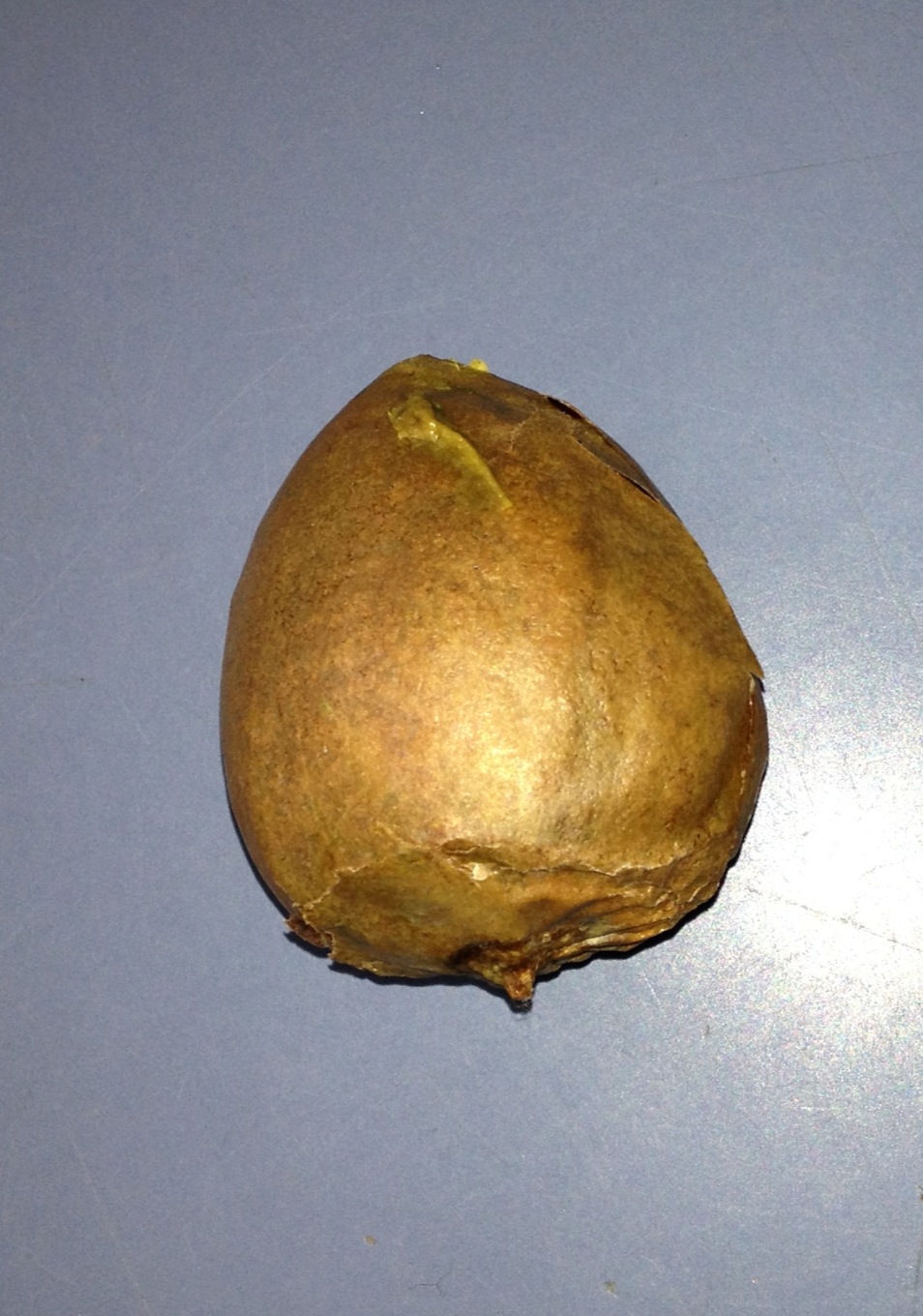
Unpeeled avocado pit
Will it sprout?

Thank you to Elizabeth Moore for her inspiring session, and thank you to Stacey and Ruth at Two Writing Teachers for hosting this Slice of Life Challenge!
Slice 16 of 31: An Afternoon at the Opera

sols_6

Today I went to the local movie theater to see an HD simulcast of this afternoon’s performance of Riccardo Zandonai’s opera Francesca da Rimini by the Metropolitan Opera. The tragic story of Francesca and her lover, Paolo, which was immortalized by Dante in The Inferno (and which I wrote about briefly here), has inspired numerous plays, operas, and paintings over the centuries.This production, which was last performed in 1984, is stunning. Francesca and her attendants wear gorgeous gowns in rich, deep colors covered with sumptuous embroidery. The sets transport you to 13th century Italy, and the music is filled with the passion of these desperate lovers.

T.S. Eliot wrote that “Immature poets imitate, mature poets steal.” The numerous versions of this story speak to the unending influence of its original source, which in turn contains countless references and allusions to other works of literature. In his brief telling of Paolo and Francesca’s story, Dante includes lines about Lancelot and Guinevere. While a reader or viewer of the opera doesn’t have to have knowledge of these works to understand what’s going on, having that knowledge deepens their appreciation of the story.

Last weekend, in her closing remarks at the TCRWP Saturday Reunion, Lucy Calkins urged teachers to build our knowledge base about the CCSS. She urged us to be wary of the Publishers’ Criteria, written by David Coleman and Susan Pimentel, which directly contradict the standards and intentions laid out in the original document. Anchor standard nine of the CCSS expects that students will be able to “analyze how two or more texts address similar themes or topics.” Eighth grade readers are specifically asked to:

Analyze how a modern work of fiction draws on themes, patterns of events, or character types from myths, traditional stories, or religious works such as the Bible, including describing how the material is rendered new. (RL.8.9)

Yet in the Publishers’ Criteria, Coleman and Pimentel demand that readers “focus on what lies within the four corners of the text.” How will students successfully meet standard nine if they can’t leave the confines of the text in front of them? Why would we make them try?

I’m glad I didn’t have to stay within the four corners of Zondanai’s opera this afternoon. I had a much richer experience.

Thank you to Stacey and Ruth at Two Writing Teachers for hosting this Slice of Life Challenge!
Slice 2013 12 of 31: Revisiting a Classic: Miss Rumphius

Image

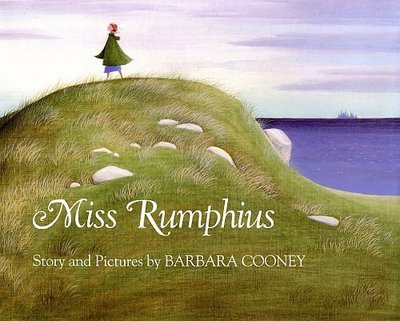
This afternoon I spent some time developing a unit of study on characterization for 3rd grade. Common Core Standard 3.3 states that students will “Describe characters in a story (e.g. their traits, motivations, feelings) and explain how their actions contribute to the sequence of events.” We currently use William Steig’s Brave Irene to introduce the idea that readers learn about characters by noticing their actions, their thoughts, and what they say. For now, we’re not going to change this. The CC standard goes deeper, though. Examining a character’s motivations isn’t something we’ve taught before. Thinking about how a character’s actions contribute to the sequence of events sounds like cause and effect, but this can be challenging for third graders. I know we’re going to have to model this more than once, and provide lots of opportunities for students to practice this deeper thinking.  With this in mind, I went through a shelf of picture books looking for another appropriate text and found Miss Rumphius, Barbara Cooney’s gorgeous story of a woman who wanted to make the world a more beautiful place. This book is one of my all-time favorites. I lived in Camden, Maine for two summers during college, and I have vivid memories of driving down Rt. 1 for the first time and seeing all the lupines growing wild. Needless to say, I think this book is an ideal choice to share with students to address this or any other standard.

Image

I did check the Lexile level (although I have many misgivings about this metric; more about these in another post) and Miss Rumphius, with a Lexile level of 680, is within the 2-3 grade level band. I also used the “Qualitative Measures Rubric” for literary text to evaluate the story in terms of its meaning, text structure, language features, and knowledge demands. As is often the case with rubrics, it was difficult to pinpoint where this narrative falls. Miss Rumphius is a frame story, which increases its complexity. Yet the story within the frame is told chronologically. There is some archaic vocabulary. Students are probably unfamiliar with words such as “stoop,” “figurehead,” and “prow.” Allusions to the cultures of the far-off lands Miss Rumphius visits also increase the complexity level of this story. After going through this process, I felt my instinct to use Miss Rumphius was validated. It may seem that this was a waste of time, but, as Lucy Calkins pointed out in her closing remarks at Saturday’s TCRWP Reunion, teachers have to build their knowledge base about the CCSS. Being familiar with this qualitative rubric is critical if we are to keep appropriate books in the hands of our students. Relying on Lexiles alone would be dangerous and unacceptable.

Will subjecting this beloved story to lessons based on the CCSS ruin it? Only if we let it. Again, if we know what the standards say, and design lessons that incorporate best practices to meet them, our students should be able to gain deep insight into a character who is generous and warm-hearted, motivated by her desire to have adventures, and to fulfill her grandfather’s directive to “make the world more beautiful.”

Thank you to Stacey and Ruth at Two Writing Teachers for hosting this Slice of Life Challenge!
Slice 2013 9 of 31: My Day at Teachers College Saturday Reunion

Image

This morning, I left my house at 5:30 and drove to Teachers College at Columbia University for their spring Reading and Writing Project Saturday Reunion. I spent the day with thousands of dedicated teachers soaking up the wisdom of the amazing presenters. Because I am now quite tired, here is my day in pictures.

Image
The sky was just beginning to lighten when I pulled out of my driveway.
Image
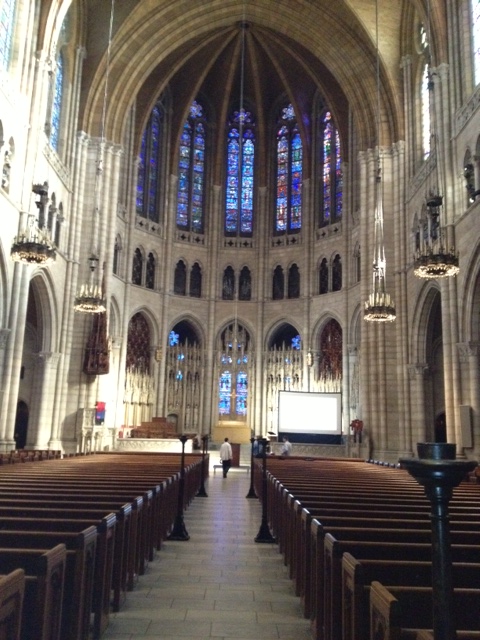
The Nave of Riverside Church when we arrived.
Image
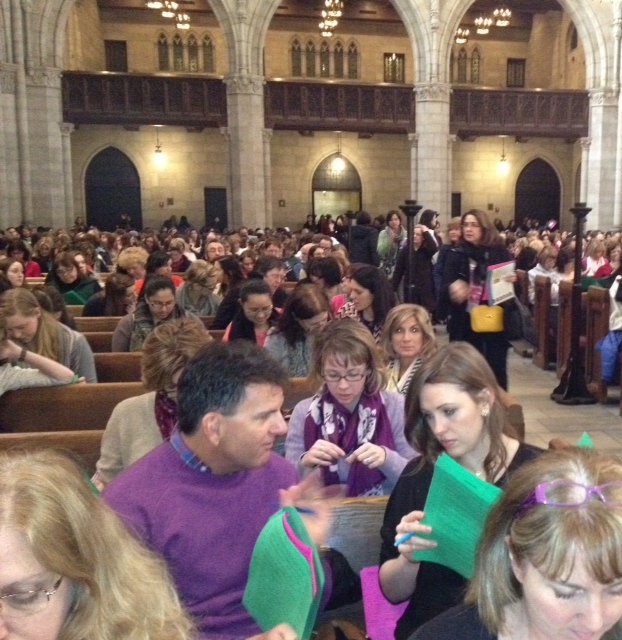
People choosing which sessions to attend as the Nave fills up.
Image
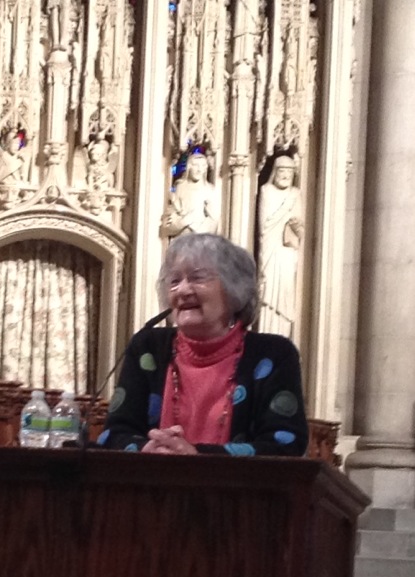
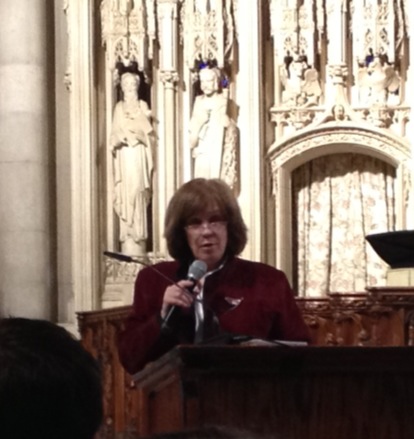
Katherine Patterson begins her keynote address, “The Richness of Creation”
Image
“In this bleak time, what our children need is beauty.” Katherine Patterson
Image
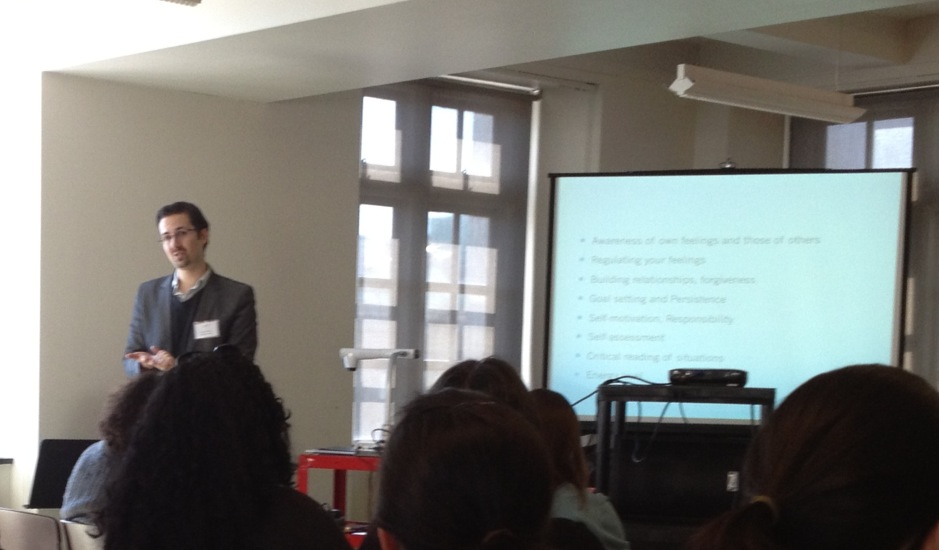
Chris Lehman urging us to use our literature instruction to build social emotional skills.
Image
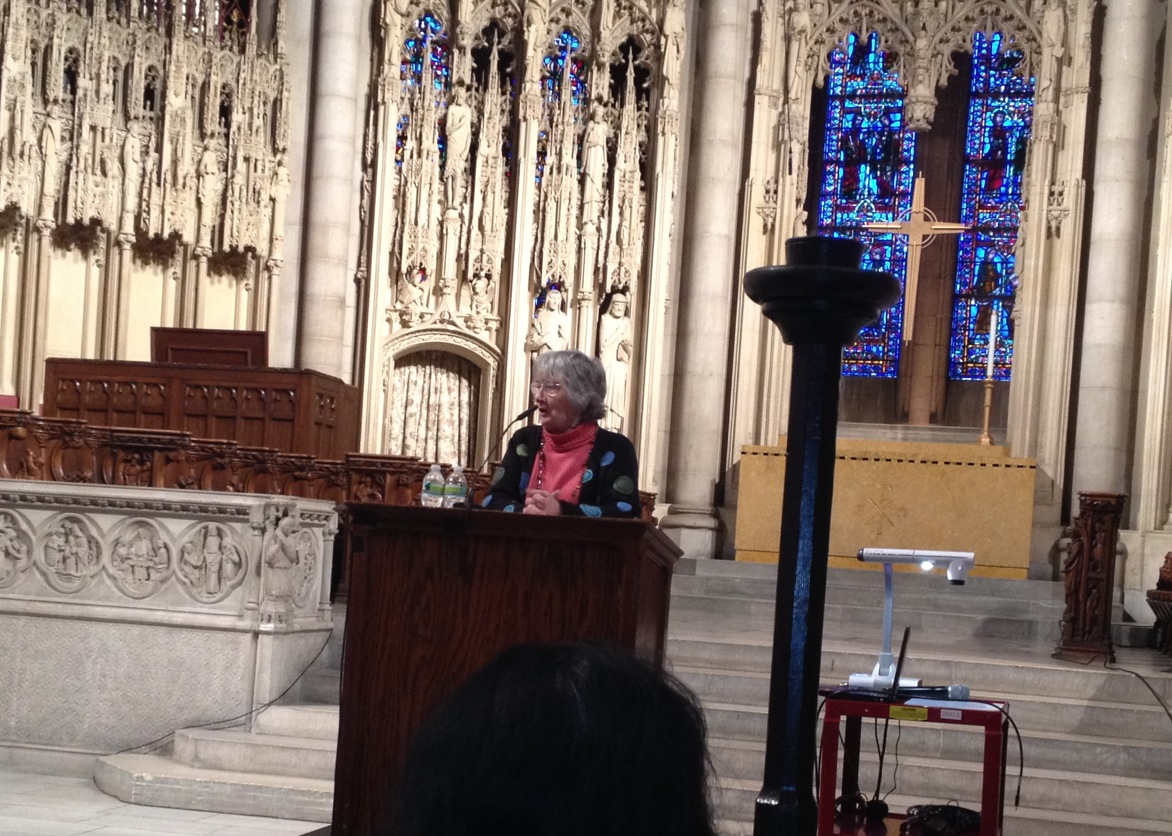
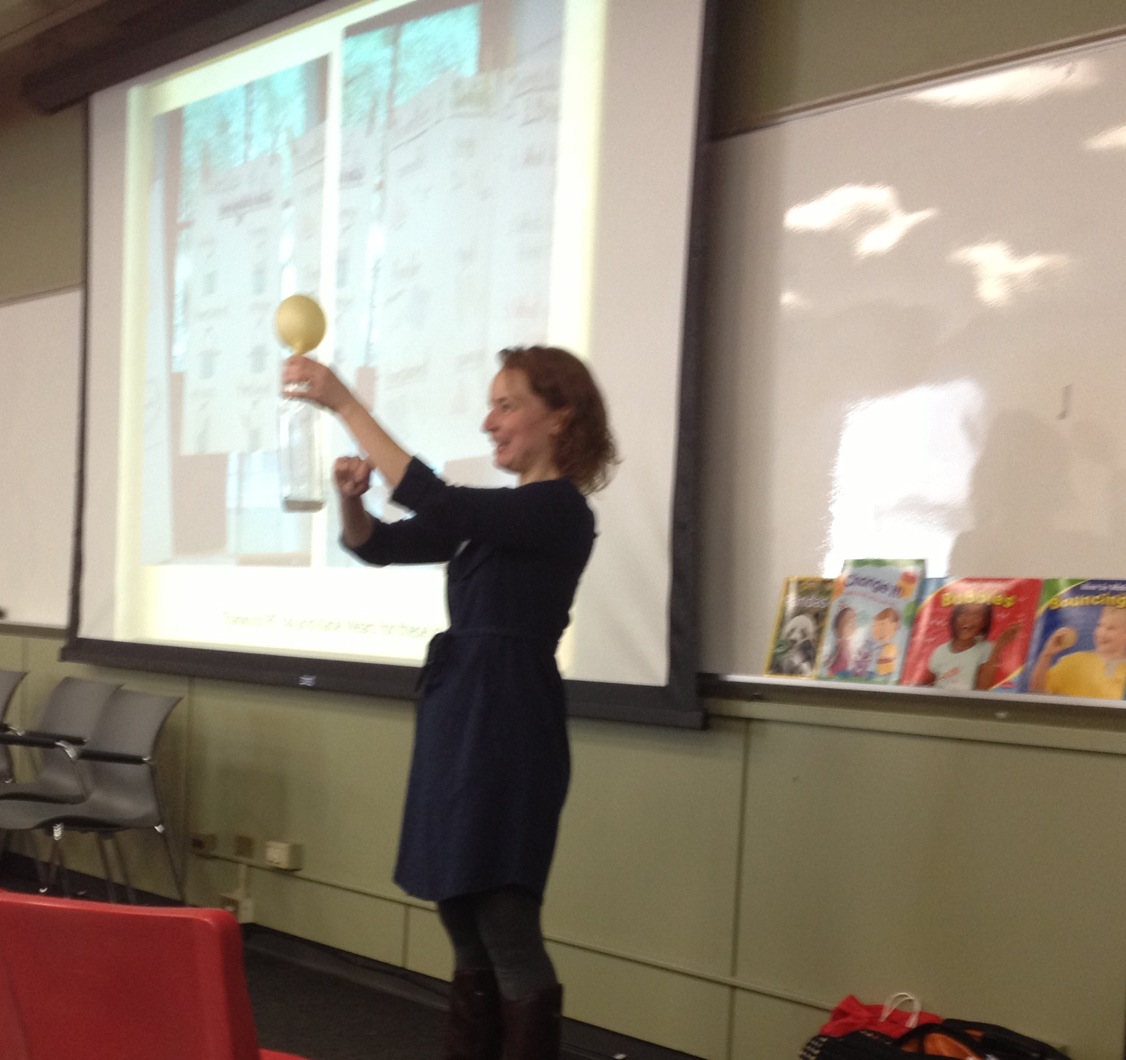
Elizabeth Moore modeling how to use demonstrations and experiments as the basis for shared or interactive writing.
Image
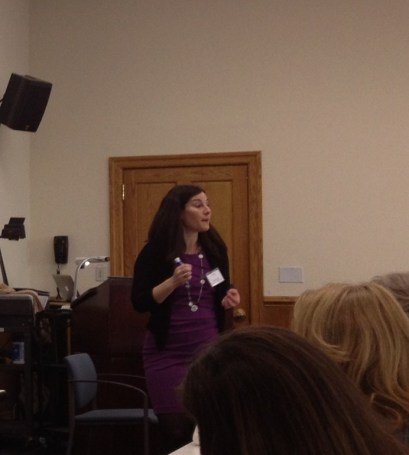
Brooke Geller explaining how to immerse students in articles to prepare them for a research-based argument essay unit.
Image
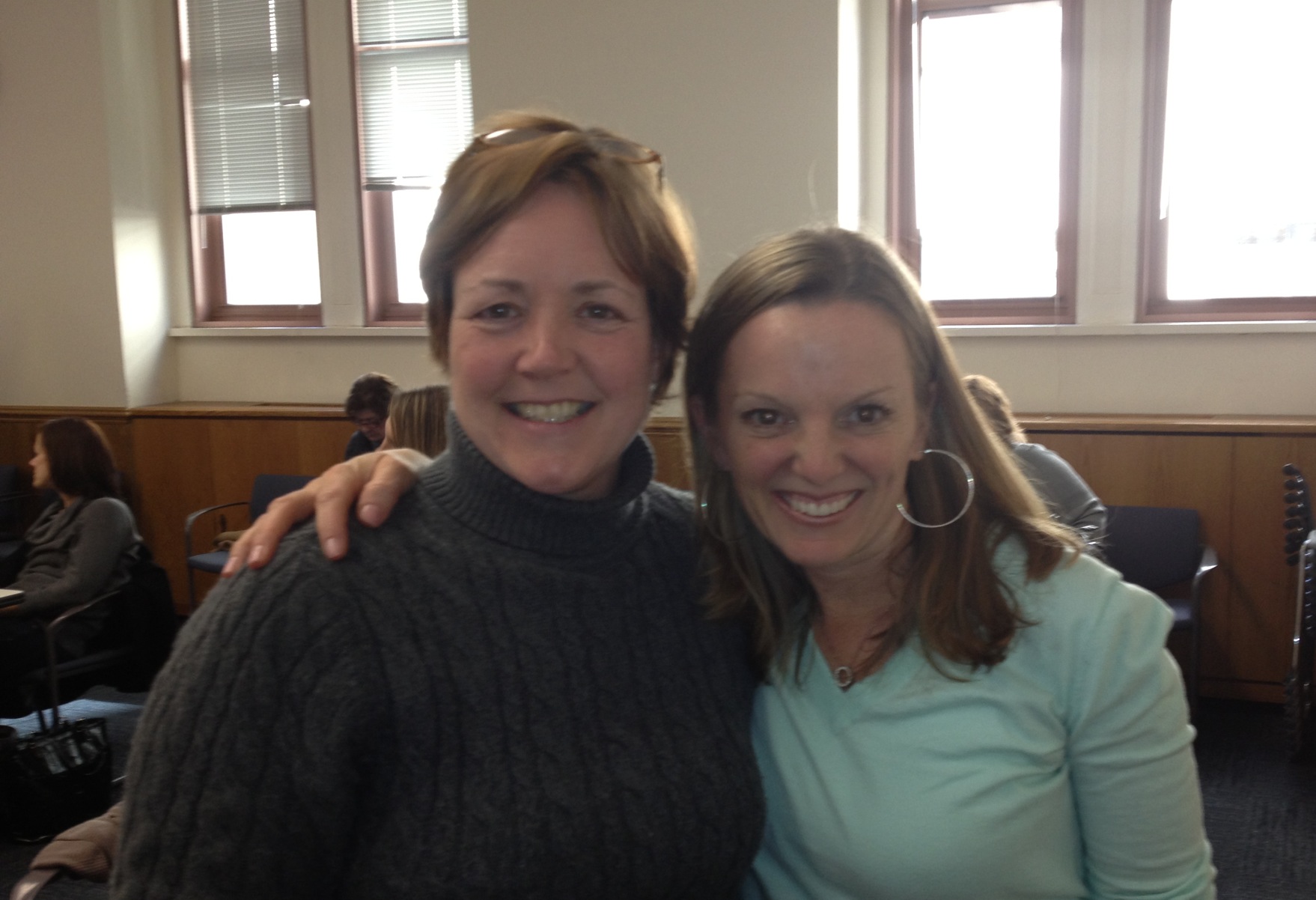
I was so excited to meet fellow slicer Melanie Meehan at Brooke’s session. She was sitting right behind me!
Image
Amanda Hartman reading Seymour Simon’s Super Storms during her session on deeping students’ comprehension of informational text.
Image
During her closing remarks, Lucy Calkins urged us to treat each other with kindness as we weather “the perfect storm” that is about to hit education.
Image
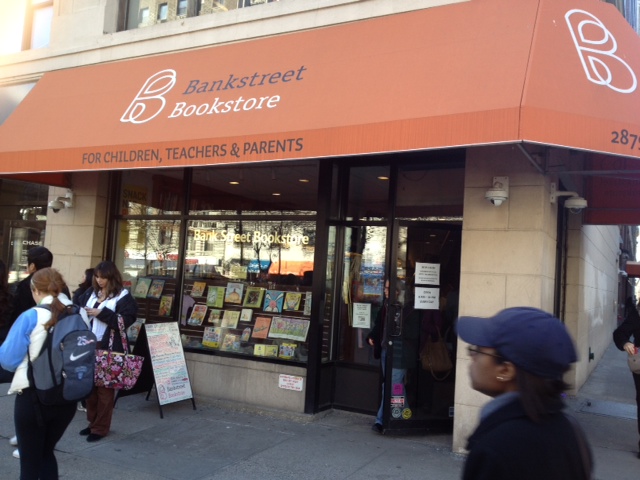
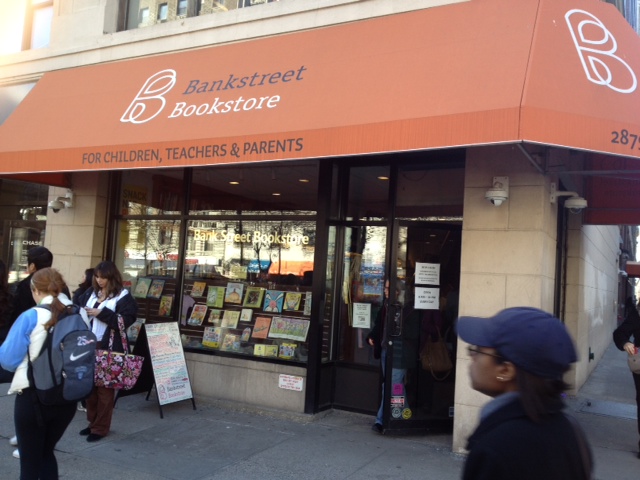
Last stop, Bank Street Bookstore!

As you can see, Saturday Reunions are an incredible experience. I learned so much today! You can also explore what others learned by checking out the #TCRWP hashtag on Twitter.  Thank you to Lucy Calkins and everyone at Teachers College for a fabulous day!

Thank you to Stacey and Ruth at Two Writing Teachers for hosting this Slice of Life Challenge!

sols_6

Growing Minds

Wallace Stegner once wrote that “Minds grow by contact with other minds. The bigger the better, as clouds grow toward thunder by rubbing together.” My mind grew by leaps and bounds at the 83rd Saturday Reunion of Teacher’s College Reading and Writing Project on Saturday, thanks to Tony Wagner, Mary Ehrenworth, Lucy Calkins, Chris Lehman, Audra Robb and Jack Gantos. Their passion about education in general, and the potential of the CCSS in particular, was truly inspiring.

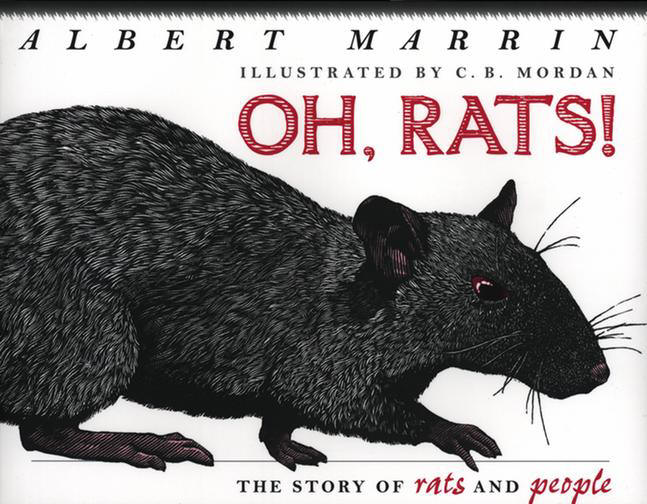
At the end of the day, I made a bee line for Bank St. Books, where I purchased Oh Rats! The Story of Rats and People, by Albert Marrin (2006). Mary Ehrenworth had read a passage from this during her session on teaching nonfiction skills and my interest was piqued. Did you know that an adult rat can bite down with a force of 7,000 pounds per square inch? Neither did I! Marrin’s book is filled with other amazing facts about this most-detested of mammals.

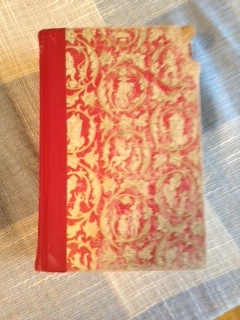
As I finished reading the text this morning, I had many thoughts about how to incorporate this book and all I had learned on Saturday into a unit for our 5th graders. Ehrenworth had stressed the importance of teaching kids how to note these details and then use them to support big ideas, of leading students to see not just a collection of interesting facts, but rather figuring out “what is this adding up to that really matters?”  This is definitely a challenge for many students. I also wanted to revisit “The Pied Piper of Hamelin,” which is of course mentioned by Marrin. So I headed to my bookcase and pulled this off the shelf:

My well worn (and puppy-chewed) copy of The World’s Best Fairy Tales

My grandmother gave this book (a Reader’s Digest Anthology) to me in 1968 and I have hauled it with me everywhere ever since.  “The Pied Piper of Hamelin” was the first selection in the book. While reading, my thoughts flew to CCSS Reading Literature standard 4: “Interpret words and phrases as they are used in a text, including determining technical, connotative, and figurative meanings, and analyze how specific word choices shape meaning or tone” and the Language standards addressing vocabulary acquisition and use. The language of the version included in my anthology, attributed to Charles Marelles, Andrew Lang Collection, is rich and descriptive. The piper himself is “a tall, gawky fellow, dry and bronzed, with a crooked nose, a long rattail mustache, two great yellow piercing and mocking eyes under a large felt hat set off by a scarlet cock’s feather.” Isn’t that fabulous?

I’m not sure how this will all come together, but I do know that by sharing my thinking about Ehrenworth’s ideas with the 5th grade teachers, we’ll have the beginnings of a unit that will be purposeful and engaging; one that will grow the minds of our students.