Poetry Friday: #poemsofpresence

Last weekend, my friend and critique group partner, Margaret Simon, asked on Twitter: “Who’s interested in writing #poemsofpresence? … We can create a calm May 2021 to end the weirdest school year ever.”

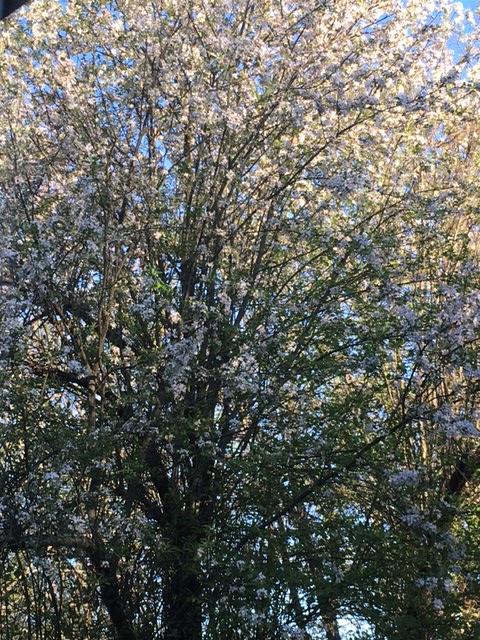
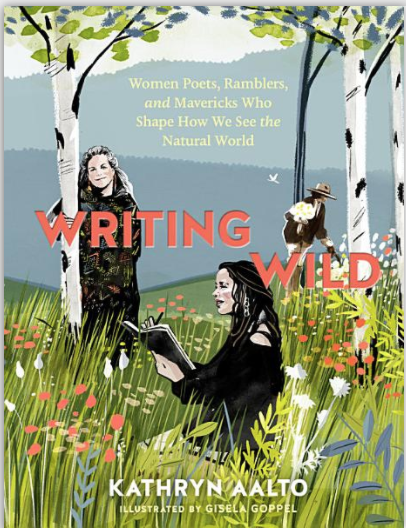
It definitely has been the weirdest school year ever. And calm is always welcome. So I have been reminding myself to be present this week to what Kathryn Aalto calls “nature’s palliative powers.” (Writing Wild, p. 237) Here are two poems of presence, inspired by the busy-ness of the apple tree in my front yard.

Fib for the Bees

quick
bees
darting
from blossom
to blossom, sipping
nectar, pollen dusting bellies
making honey for bees, apples for you and me.

Draft © 2021, Catherine Flynn

Rest Stop

Warblers on the wing
heading north to nest
pause to refuel
in the welcoming arms
of an old apple tree.

Draft © 2021, Catherine Flynn

Please be sure to visit Bridget Magee at Wee Words for Wee Ones for the Poetry Friday Roundup.

National Poetry Month: Writing Wild, Day 30

“Poetry gives us a place to make beautiful sense of life.”
~ Joy Harjo ~

Welcome to the final Poetry Friday of National Poetry Month! Please be sure to visit Matt Forrest Esenwine at Radio, Rhythm, and Rhyme for the Poetry Friday Roundup. I can’t quite believe that April is over. One of the reasons I began this project was to find a way back into a daily writing habit. Although I didn’t post every day (“Because,” as my friend Heidi would say, “you know, life.“), I did write a poem in response to the work of all twenty-five writers profiled by Kathryn Aalto in Writing Wild. But somewhere along the way, this project morphed into something so much more. All of the women I met in this book are truly remarkable. Some have conquered overwhelming obstacles, including ne’er-do-well husbands, physical abuse and alcoholism. After spending a day or so with each of them, I found myself  thinking, “She is my favorite.” Of course, I could never choose one over another. I am truly in awe of each and every one. Somewhere along the way, I read that Diane Ackerman calls herself a “poetic science storyteller.” I immediately thought, “that’s what I want to be when I grow up!” This work has changed me and inspired me in countless ways. I know it will be influencing my writing and my life for years to come.

For this final day, I decided to create a cento, drawing on all the poems I drafted this month. Italicized lines are directly from the work of other writers. Their names are listed in order at the bottom of the poem.

A Complicated Beauty”

Things are at a tipping point.
Earth, mother to all,
weaves a web of memories.
Know and say their names.
Flood the world with empathy.

A bee buzzes hopefully
around eager bursts of green,
evidence of the wild wonder of the world.

In the day’s waning light, the world can shimmer.
Winged creatures of the night
with their own ways of being,
chime a silent celebration.

Star gazers look up in wonder,
notice the ghost moon in the wide, pale sky.

Borders evaporate.

As daily life accepts the night’s arrest,
a small spider,
pearly and round
with delicate legwork,
plays the music of Nature.

Winding skyward along an ancient path
heat, radiating, heart to heart
resilience can emerge.

Alchemy powers earth’s enduring nature,
promises for tomorrow.
In twilight’s glimmer-glow,
forge a new kinship with Earth.
The most important magic lies within you.

Draft © 2021, Catherine Flynn

Writers whose lines are included in this poem, including the title:
Camille T. Dungy
Leslie Marmon Silko
Camille T. Dungy
Gene Stratton-Porter
Robin Wall Kimmerer
Carolyn Finney

Previous Writing Wild posts:

Day 1: Dorothy Wordsworth
Day 2: Susan Fenimore Cooper
Day 3: Gene Stratton-Porter
Day 4: Mary Austin
Day 5: Vita Sackville-West
Day 6: Nan Shepherd
Day 7: Rachel Carson
Day 8: Mary Oliver
Day 9: Carolyn Merchant
Day 10: Annie Dillard
Day 11: Gretel Ehrlich
Day 12: Leslie Marmon Silko
Day 13: Diane Ackerman
Day 14: Robin Wall Kimmerer
Day 15: Lauret Savoy
Day 16: Rebecca Solnit
Day 17: Kathleen Jamie
Day 18: Carolyn Finney
Day 19: Helen Macdonald
Day 20: Saci Lloyd
Day 21: Andrea Wulf
Day 22: Padma Venkatraman
Day 23: Camille T. Dungy
Day 24: Elena Passarello
Day 25: Amy Liptrot
Day 27: Elizabeth Rush

The Poetry Friday Roundup is Here!

Welcome to the Poetry Friday Roundup! Wasn’t it thoughtful of April to begin on a Thursday this year, so we have five Fridays to celebrate National Poetry Month? There are number of amazing poetry projects happening at blogs around the Kidlitosphere. You can find a roundup of them at Susan Bruck’s lovely blog, Soul Blossom Living.

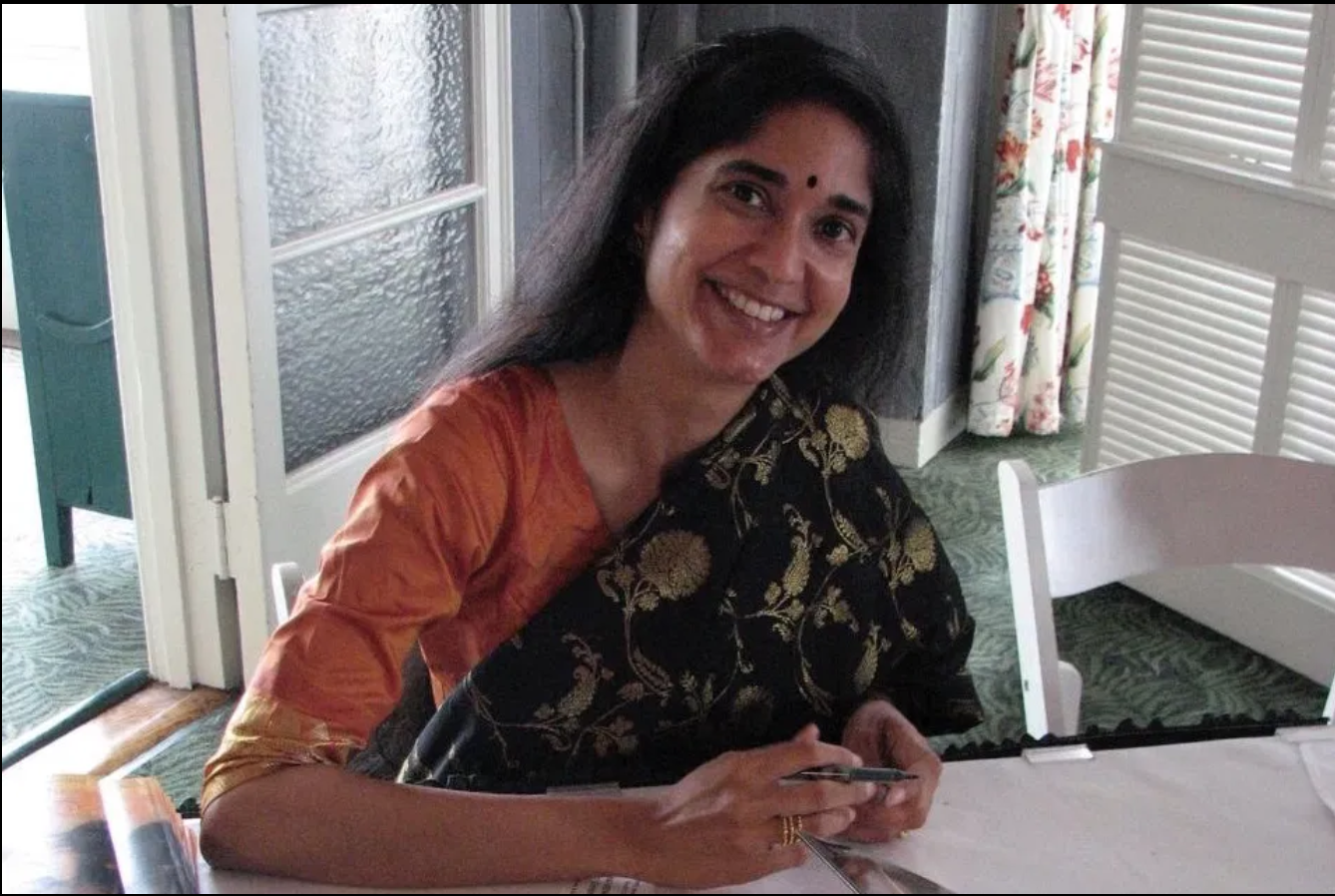
I’m taking a bit of a detour from my Writing Wild project, inspired by Writing Wild: Women Poets, Ramblers, and Mavericks Who Shaped How We See the Natural World, by Kathryn Aalto. Each day in April, I have written a poem inspired by one of the 25 trailblazing women profiled in Aalto’s book. Because there are 30 days in April, I chose another four authors recommended by Aalto. For today’s post, my inspiration comes from Padma Venkatraman, an author not included in Aalto’s book, but one who I think embodies the spirit of the other writers. I also wanted to diversify the list to include more writers of Asian descent.

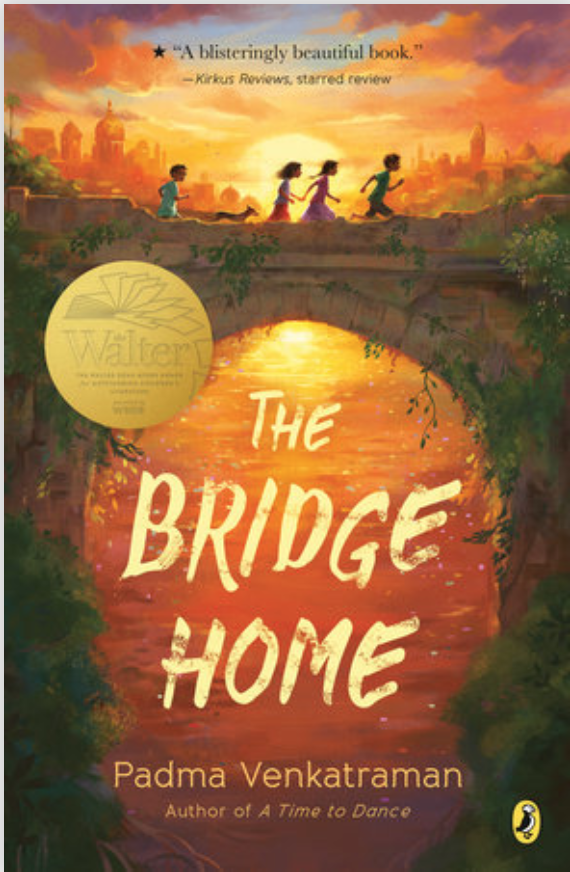
Padma Venkatraman trained as an oceanographer and now writes middle-grade and YA fiction as well as poetry for young people. Her beautiful, inspiring 2019 middle-grade novel, The Bridge Home, won the Walter Dean Myers Award and two of her poems appeared in this month’s issue of Poetry Magazine. In addition, she just launched “Diverse Verse… a website and a resource for educators and diverse poets and verse novelists.”

Today’s poem is my response to Venkatraman’s poetry prompt recently posted on Ethical ELA. In her introduction to the prompt, she stated that “as a writer who cares about young people, I feel compelled to preserve hope in the face of [hate crimes against Asians]. She challenged poets to write “a short poem dedicated to hope in defiance of hate.” Here is a draft of my response.

Finding Our Way

Can we agree we’ve gone astray?
Lost sight of treasures untold.
Our map’s completely upside down
from chasing too much gold.

Some creatures are gone; they won’t return.
But we can change this course.
Protect each species; keep them safe
And learn from our remorse.

Recognize your neighbors.
Know and say their names.
They’re living beings, just like you,
treat everyone the same.

The world keeps changing bit by bit.
We all can do our part
to make the world a better place.
The change starts in your heart.

Draft © 2021, Catherine Flynn

Photo by freestocks on Unsplash

Previous Writing Wild posts:

Day 1: Dorothy Wordsworth
Day 2: Susan Fenimore Cooper
Day 3: Gene Stratton-Porter
Day 4: Mary Austin
Day 5: Vita Sackville-West
Day 6: Nan Shepherd
Day 7: Rachel Carson
Day 8: Mary Oliver
Day 9: Carolyn Merchant
Day 10: Annie Dillard
Day 11: Gretel Ehrlich
Day 12: Leslie Marmon Silko
Day 13: Diane Ackerman
Day 14: Robin Wall Kimmerer
Day 15: Lauret Savoy
Day 16: Rebecca Solnit
Day 17: Kathleen Jamie
Day 18: Carolyn Finney
Day 19: Helen Macdonald
Day 20: Saci Lloyd
Day 21: Andrea Wulf

Please add your link to join the party!

You are invited to the Inlinkz link party!

Click here to enter
https://fresh.inlinkz.com/js/widget/load.js?id=a8b40ada7693d64e5923

Poetry Friday & NPM: Writing Wild, Day 9

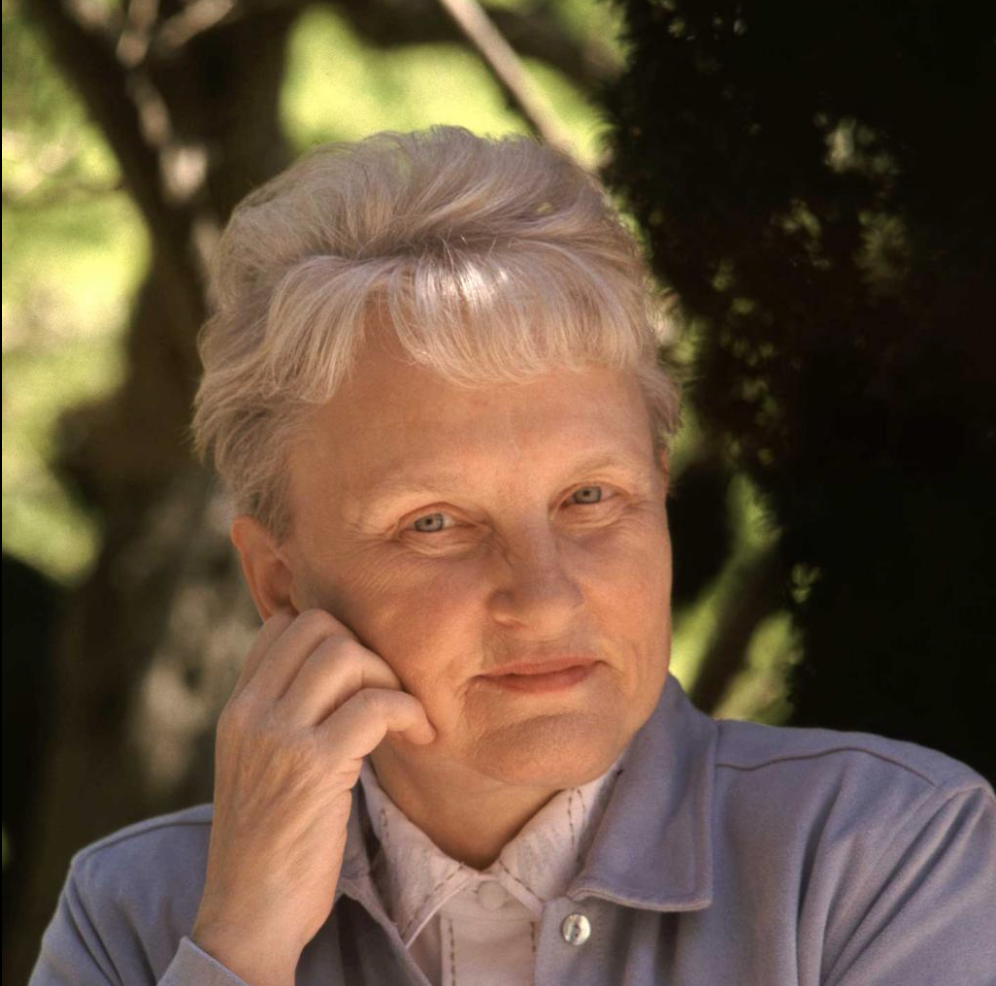
Carolyn Merchant‘s 1980 book, The Death of Nature: Women, Ecology, and the Scientific Revolution is, according to Kathryn Aalto, “one of the most important feminist books ever written.” (Writing Wild, p. 102) I am embarrassed to admit I had never heard of it. In her groundbreaking book, Merchant “analyzes environmental history to frame the relationship between the natural world and humanity, particularly gender and the environment.” (Writing Wild, p. 103) She also helps give rise to the idea of ecofeminism, or “a feminist approach to understanding ecology.”

Merchant’s ideas are new to me, so I needed a poetic form that could help me distill them and gain some deeper understanding. I find that acrostics sometimes give me a vocabulary for a topic and get the words flowing, especially if its a topic I don’t know a lot about. This seemed like a good place to start. And because it’s the end of a long week, it also seemed like a good place to stop for now.

Ecofeminism

Earth, mother to all,
Cradles and nurtures the
Organic cosmos,
Fuels the vital forces of
Ensouled beings.
Magical traditions are
Inextricably linked, a vast symbiotic
Network, millenia in the making.
Its equilibrium has been disrupted, no longer
Sustainable, thanks to
Mechanization and greed.

Draft, © 2021, Catherine Flynn

Photo by Robert Holmgren via Wikipedia

Previous Writing Wild posts:

Day 1: Dorothy Wordsworth
Day 2: Susan Fenimore Cooper
Day 3: Gene Stratton-Porter
Day 4: Mary Austin
Day 5: Vita Sackville-West
Day 6: Nan Shepherd
Day 7: Rachel Carson
Day 8: Mary Oliver

Please be sure to visit Tabatha Yeatts at The Opposite of Indifference for the Poetry Friday Roundup!

Poetry Friday & NPM: Writing Wild

Welcome to the first Poetry Friday of National Poetry Month! Today’s post is my response to my critique group’s monthly prompt. This month, Linda Mitchell challenged the Sunday Night Swaggers to

See something in many ways, then write a poem patterned after Pat Schneider’s ‘The Moon Ten Times.’

The object and the number of different views was our choice.

Today’s poem is also the second poem in my NPM project, Writing Wild. Susan Fenimore Cooper is the second author featured in Writing Wild: Women Poets, Ramblers, and Mavericks Who Shape How We See the Natural World. Like Dorothy Wordsworth, Susan Fenimore Cooper is remembered mainly in relation to her famous father, James Fenimore Cooper. Also like Dorothy Wordsworth, she was a fine writer and is considered to be “America’s first nature writer.”

Rural Hours, Susan Fenimore Cooper’s best know work, captures the daily rhythms of the natural world in early-nineteenth century Cooperstown, NY. Her entry for March 22nd describes “the return of the robins.” Since returning robins are still a sure sign of spring, I took this line for the title of a week’s worth of observations of this beloved bird.

“The Return of the Robins” 

Flash of red
against blue sky:
the robins have returned!

A riot of robins patrol 
dormant hay fields:
the borderland between 
winter and spring.

Yellow-billed
tug-of-worm champ:
nightcrawlers beware!

Adorned in feathers fine as silk,
round red breasts
reflect the morning sun.

Feathered flutists 
fill the dawn
with their winsome refrain:
Cheer-up, cheer-up, cheer-up

Scavenger of sticks
and straw:
nestchitect

Mud-daubed nests
filled with a trove of turquoise eggs:
promises for tomorrow.

Draft, © 2021 by Catherine Flynn

Please visit my fellow Swaggers to read their responses to Linda’s challenge:

Molly Hogan @ Nix the Comfort Zone
Linda Mitchell @ A Word Edgewise
Heidi Mordhorst @ My Juicy Little Universe
Margaret Simon @ Reflections on the Teche

Then head over to Mary Lee’s blog, A Reading Year, for the Poetry Friday Roundup and more NPM celebrations!

Poetry Friday: National Poetry Month Warm-Up

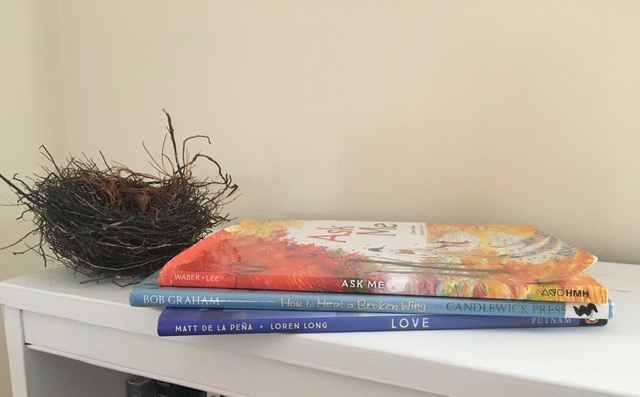
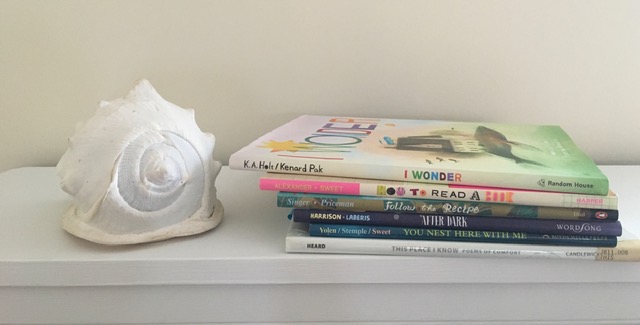
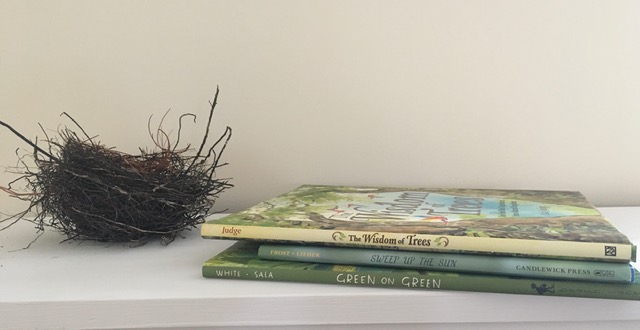
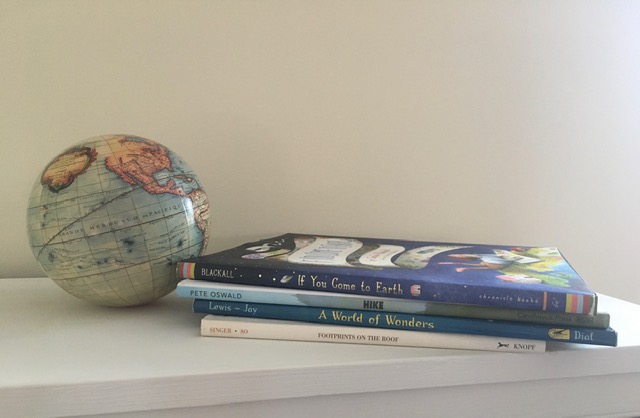
T.S. Eliot may think that “April is the cruelest month,” but I’m over March and looking forward to National Poetry Month. I’ve been planning a project that I’m excited about, but am not ready to share the details today. While I was tidying up my classroom this afternoon it occurred to me that some book spine poetry would be a good way to warm up for next month. Here are a few short poems, courtesy of some of my favorite authors.

Ask me
how to heal a broken wing:
love
I wonder
how to read a book.
Follow the recipe
after dark.
You nest here with me,
this place I know.
The wisdom of trees
sweep up the sun
green on green
If you come to Earth,
hike
a world of wonders.
Footprints on the roof.

Looking forward to seeing you all next week for the beginning of National Poetry Month. In the meantime, be sure to visit Susan Bruck at Soul Blossom Living for the Poetry Friday Roundup.

Poetry Friday: March Swagger Challenge

It’s the first Friday of March. Time for another Sunday Swagger Challenge. Each month, one member of my critique group poses a challenge for us all to respond to. This month, Margaret Simon posed a very flexible prompt: “Using any book, choose three page numbers. On the chosen pages, find one word to use. Write a poem.”

This seemed very manageable. One of my students has been reading Kate DiCamillo’s books, and Kate’s exquisite use of language has always inspired me, so I pulled a copy of Flora and Ulysses: The Illuminated Adventures off the shelf and found these three words: variations, floating, glowing

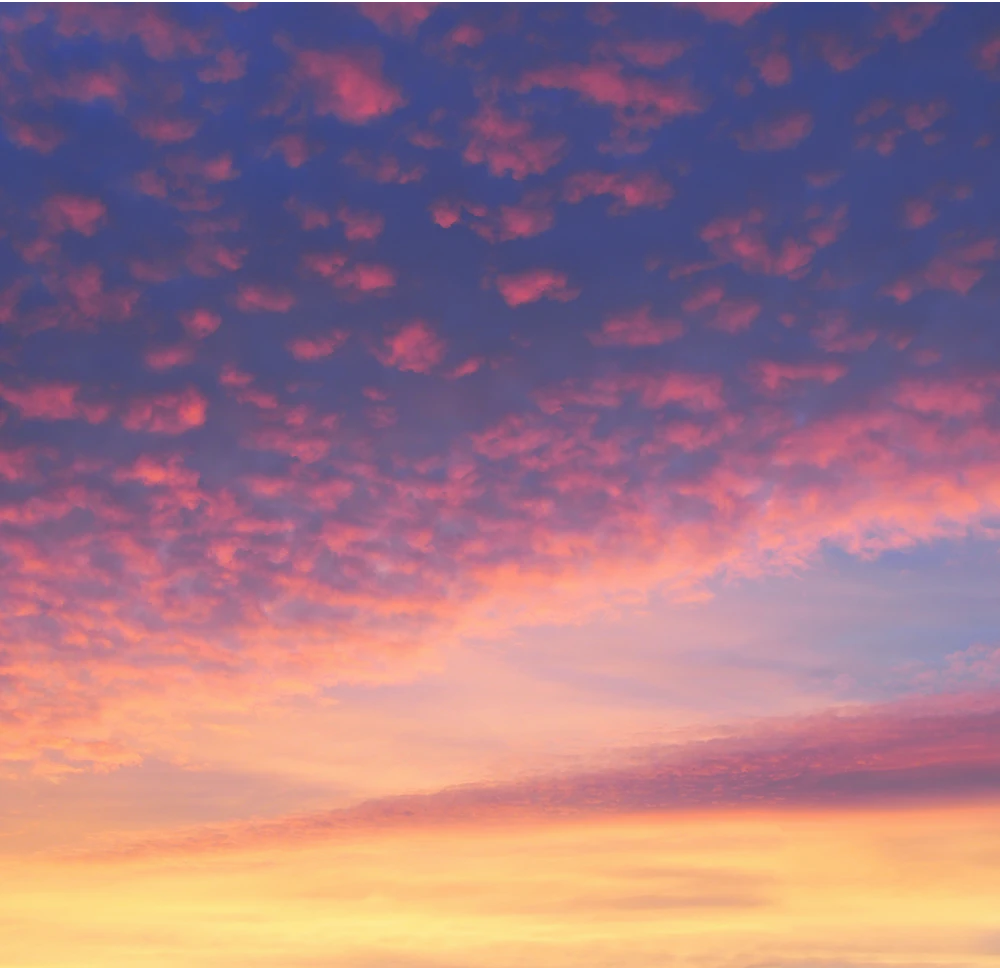
An image of clouds came into my head as I considered these words. Here is the draft I came up with:

Clouds

Tenuous ideas cling together,
like water droplets fusing
into wisps of clouds floating
in an azure sky.

Slowly, word by word,
a line forms.
Line follows line
until they coalesce 
into a poemling,
glowing with promise.

Maybe this baby poem,
fragile as it is,
is a variation on an old theme.

No matter.
Just as clouds come in all
shapes and sizes,
possibilities for poems
are infinite.

And so we keep on
writing.

Draft, © 2021, Catherine Flynn

Photo by Brett Jordan via Unsplash

Please be sure to visit my fellow Swaggers to read their responses to Margaret’s challenge:

Heidi Mordhorst @ My Juicy Little Universe
Linda Mitchell @ A Word Edgewise
Margaret Simon @ Reflections on the Teche
Molly Hogan @ Nix the Comfort Zone

Then be sure to head to Kat Apel’s blog for the Poetry Friday Roundup.


Poetry Friday: Winter Morning

Every month, one of my critique group partners poses a challenge to the group and we all post our responses on the first Friday of the month. This month, it was my turn to come up with a prompt. Since life has been challenging enough lately, I wanted to pose more of a supportive opportunity than a challenge. This passage from S. Kirk Walsh’s essay “How E.L. Doctorow Taught an Aspiring Writer to Hear the Sounds of Fiction” in The New York Times Book Review was exactly what I had in mind:

For the final writing assignment, Doctorow asked us to choose one of the works on the syllabus and borrow — or steal — from it in a fiction of our own... I chose “The Waves”: I copied Woolf’s sentences word for word, then replaced her language with my own.

So our challenge was simply this: Copy a mentor poem (or other text) “word for word, then replace [that poet’s] language with your own.” Finding a mentor poem was easier than I thought it would be. Looking for another book, I found Light & Shadow (Holiday House, 1992), a book of poems by Myra Cohn Livingston inspired by photographs by Barbara Rogasky. Livingston’s poem, “Late Afternoon,” caught my attention immediately.

“Light rests
in the crooked
elbows and branches of
old trees,

drowses
in the shadows
of moss-covered rocks, naps
In piles

of leaves
scattered over
forest floors, stretches out
to sleep

and dreams
itself wearing
a shining necklace of
dewdrops.”

Isn’t that stunning?

Here is the poem my “borrowing” inspired:

Winter Morning

Light seeps
through the outstretched
fingers and branches of
bare trees,

rouses
birds, roosted
in a tangle of brush, quickens
the blood

of cardinals and jays,
who flutter around
snow-covered feeders, reaches 
deep into the shadows

and dreams
itself wearing
an iridescent crown of
feathers.

Draft, © 2021, Catherine Flynn

Please visit my fellow Sunday Night Swaggers to see where their borrowings led them:

Heidi Mordhorst @ My Juicy Little Universe
Linda Mitchell @ A Word Edgewise
Margaret Simon @ Reflections on the Teche
Molly Hogan @ Nix the Comfort Zone

Then head over to Jone Rush MacCulloch’s lovely blog for the Poetry Friday Roundup.

Poetry Friday: Resilience

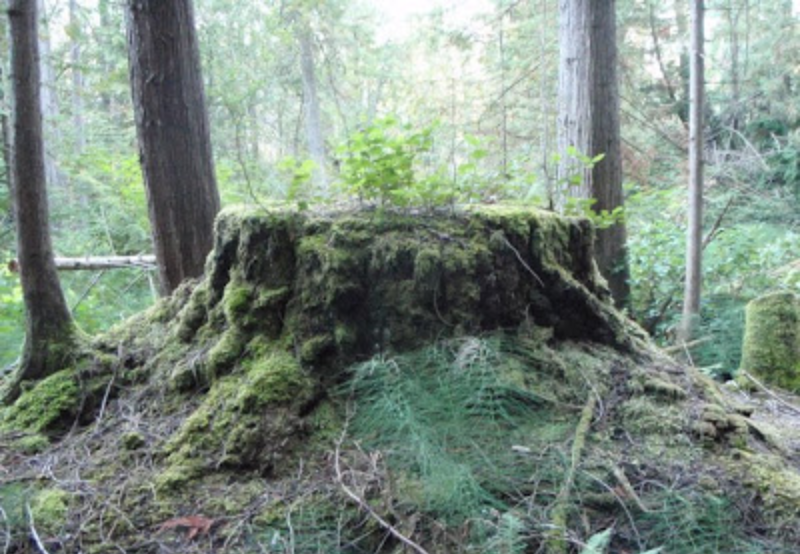
Is it still January? It hardly seems possible. My coping strategy for the tumult of the past few weeks has been knitting: 8 hats since Christmas. All that knitting equals very little time for writing. But I miss the routine of Poetry Friday. So today I’m sharing a poem I wrote back in December for a workshop with Georgia Heard. As always, Georgia inspired us to stretch ourselves by writing variations on the cinquain. This draft is a butterfly cinquain, a “nine-line syllabic verse of the pattern 2 / 4 / 6 / 8 / 2 / 8 / 6 / 4 / 2.” It needs more work, but it’s an important reminder for me today.

Resilience

A wild
verdant glade where
feathery ferns unfurl,
moss creeps into every hollow.
Air hums
alive with rustling cicadas,
while sprouts stir in ancient
spruce stumps: fragile
saplings.

Draft, © Catherine Flynn, 2021

Please be sure to visit Jan Godown Annino at Bookseedstudio for the Poetry Friday Roundup!

Poetry Friday: Nestlings from the Natural World

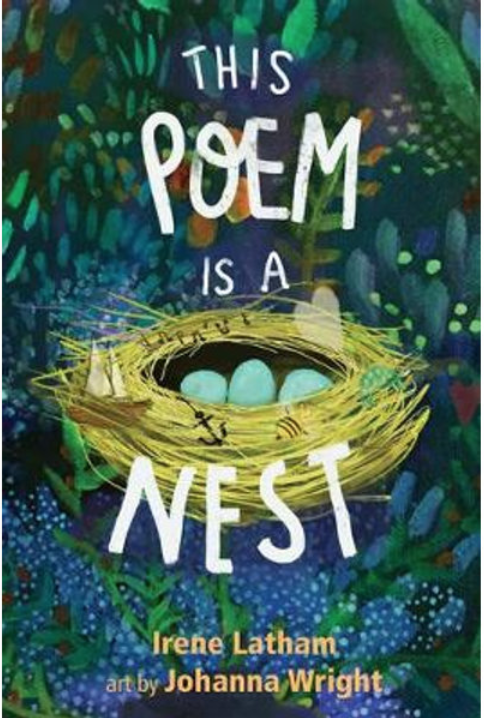
At the beginning of each month, my critique group partners and I take turns challenging one another to try a new poetry form. This month, Heidi Mordhorst suggested that we write nestlings: poems found within a single poem that we wrote. Heidi’s challenge was inspired by Irene Latham‘s brilliant and joyous book, This Poem is a Nest. In her introduction, Irene explains that she was inspired by watching “robins build a nest” and realized that “poems are nests–and we poets spend much of our time nest-building. We gather words, ideas, and dreams, and then we set about weaving, arranging, and structuring. “

I love everything about this book: the concept, the poems themselves, the illustrations. Irene mined four “nest” poems (one for each season) and came up with 161 nestling poems. Her creativity shines in the way she organizes her nestlings. There are poems about colors, emotions, months of the year, animals, and more. This book is a treasure and an inspiration. What a fun challenge!

Then reality sunk in and I had to actually choose a poem to work with. After several false starts, I decided to mine several poems I wrote during National Poetry Month last April. My project for the month was a series of poems I called “News from the Natural World.” All of the poems had some connection to nature, both from my yard and across the galaxy. (Links to all the poems can be found here.) I chose to look for nestlings in two of my favorites, “Praise Song for the Natural World” and “An Earth Day ABC.” Like all found poems, the words are in the same order as in the original poem. Titles can be added and don’t have to be in the original poem. Those words are bolded. I might have added an “s” to the end of a word or two. 😉

Praise Song for the Natural World

Each day, wild creatures go about the work of survival.
A vibrant bluebird flits through the undergrowth
in pursuit of an alluring female.

High in a pine, a nesting hawk surveys
the countryside, screeching in protest
at a mob of pesky crows.

All around, color is brightening the drab world.
Brilliant yellow dandelions are open for business
and hungry bees buzz joyously among them.

Violets sprinkle the hillside like confetti
And every shrub and tree is wrapped
In a fine haze of green or pink or red.

In the pond, clumps of frogspawn
are silently, mysteriously on their
journey of transformation.

Praise song for their confidence, their
optimism in the face of a fickle world,
for their honest pursuit of life.

Praise song for every blossom, every nest, every egg.

Draft, © Catherine Flynn, 2020

Nestlings from this poem:

Each morning

bird-bright
joy
confettiwraps
the world

Eyes of a

wild hawk:
round,
brilliant,
mysterious

A mob of crows
buzz trees,
rap their confidence

Yellow lions
hungry, silent.
Journey in
pursuit of life.

Red

Vibrant growth
brightens
hill and shrub:
world blossom

An Earth Day ABC

An atlas of the world can’t
Begin to reveal the
Complexity of connections, the
Diversity of life on
Earth.
For centuries, curious humans have
Grappled with questions, searching across
Hemispheres, seeking
Insights into our home, finding pieces of the
Jigsaw puzzle, gaining
Knowledge and
Learning the lessons
Mountains teach us. The earth
Nurtures and nourishes us. We are
Obligated to
Protect her, preserve her. Our reckless
Quest for riches is irresponsible. Actions
Ripple across the globe, casting
Shadows on life everywhere.
Today and everyday, seek to
Understand the
Vulnerability and vitality of our
Wondrous world.
eXchange hubris for humility. Change begins with
You.
Zoom in and discover nature’s abundant gifts.

Draft © 2020, Catherine Flynn

Nestlings from this poem:

apples
know lessons,
nourish us:
nature’s gift.

Twilight

Shadows–
where 
change 
begins.

The River

ripple
searching
seeking
home

This was a fun and thought-provoking adventure! Dozens of nestlings didn’t make it into this post, but I learned a thing or two about myself as a writer through the process and will approach revision differently in the future. Thank you, Irene, for this amazing book, and thank you, Heidi, for this great challenge! You can read how my other critique group partners approached this challenge at their blogs:

Heidi Mordhorst: My Juicy Little Universe
Linda Mitchell: A Word Edgewise
Margaret Simon: Reflections on the Teche
Molly Hogan: Nix the Comfort Zone

And don’t forget to visit Sylvia Vardell at Poetry for Children for the Poetry Friday Roundup and a sneak peek at what looks to be a bumper crop of children’s poetry arriving in 2021.