Intent: The Teacher I Want to Be…

slide11

This post is part of “DigiLit Sunday,” hosted by Margaret Simon at Reflections on the Teche. This week’s topic is INTENT

“What we learn with pleasure we never forget.”
Alfred Mercier
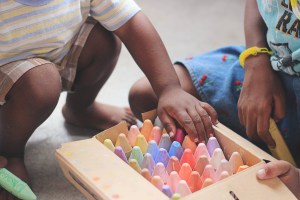
Photo by Tina Floersch, via unsplash.com

Love.
Passion.
Joy.

These words echoed throughout the rooms at the Sable Oaks Marriott in Portland on Saturday. Teachers from around New England and beyond gathered to learn from superstar educators Ralph Fletcher, Tom Newkirk, Vicki Vinton, Kathy Collins, Matt Glover, Jeff Anderson, and Katie Wood Ray, among others.

At the end of a panel discussion about a trip to the Italian school Reggio Emilia and the book which grew out of that trip, The Teacher You Want to Be: Essays about Children, Learning, and Teaching, Kathy Collins invited us to complete this statement: The teacher I want to be…

Here is my response to Kathy’s appeal:

I want to be a teacher who grows passionate, joyful, independent learners. A teacher who, in the words of Thomas Dewey, gives students “something to do, not something to learn; and when the doing is of such a nature as to demand thinking; learning naturally results…”

I want to my students to be curious and observant.

I want them to be thoughtful readers who understand that reading is about more than answering questions about the main character and his problem. I want them to understand that when we read, we learn about ourselves, our lives, the lives of others, and the world around us.

I want to be a teacher who gives my students time to think and write about what they want to think and write about. I want to give them the time and tools they need to follow their thinking wherever it leads them.

I want my classroom to be a greenhouse where students thrive and see possibilities in themselves they hadn’t ever imagined.

I also want to be a teacher who can rise above the day-to-day frustrations that could distract me from this goal.

I want to be a teacher who doesn’t let demands and pressures of the inevitable changes in standards, assessments, etc., deter or sway me from this vision. In the words of Katie Wood Ray, I want to make myself  “as smart as I can be about my work so that I can articulate” my beliefs.

This vision is one I’ve strived to fulfill through all my years of teaching. Thank you to all the wise, passionate educators at NERA whose words helped me express these ideas. Thanks to them for also showing me how this vision can become a reality.
Slice 21 of 31: A Book Spine Poem

Image

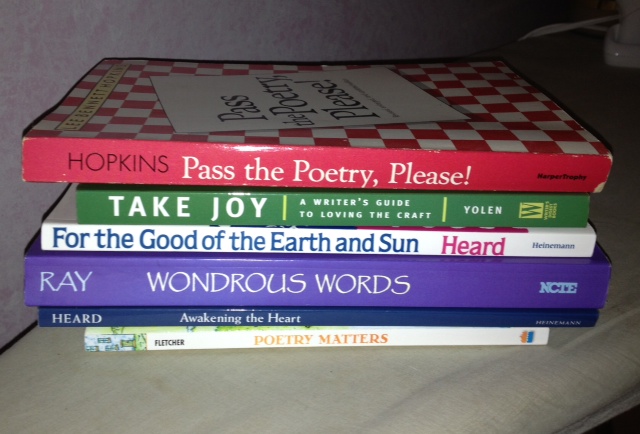
National Poetry Month is just around the corner, and although I teach and use poetry all year, I do make a fuss about all things poetical in April. This book spine poem really wrote itself as I revisited some of my favorite resources:

Image

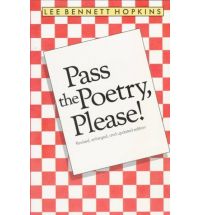
Pass the Poetry, Please!

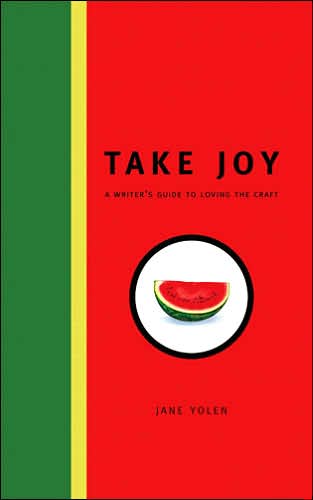
Take Joy

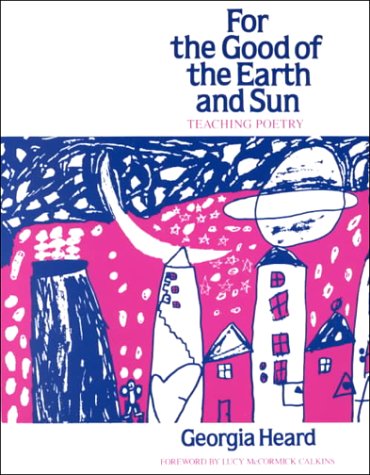
For the Good of the Earth and the Sun

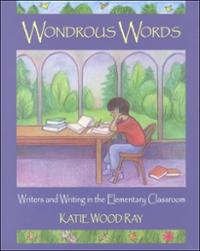
Wondrous Words

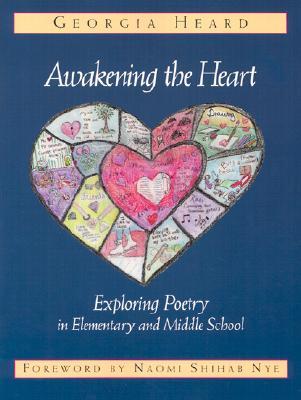
Awakening the Heart

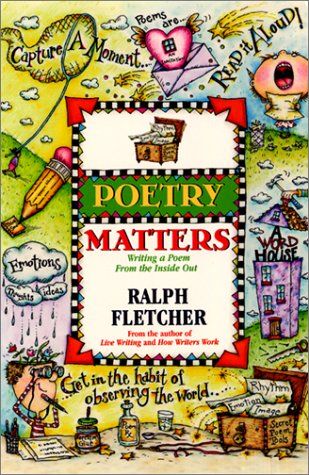
Poetry Matters

I’ve written before about using poetry with students (here, here  and here) and I know I’ll be writing about it again. For now, here’s a snippit of the wisdom contained within each of these excellent resources.

9780064460620Originally published in 1972, Lee Bennett Hopkins’ book is a classic resource for sharing and teaching poetry. Here is a comment he shares from poet David McCord:

“Poetry is so many things besides the shiver down the spine.” (p. 7)

Take-Joy

Jane Yolen is one of my all-time favorite authors. In Take Joy: A Writers Guide to Loving the Craft (Writers Digest Books, 2006), her wisdom and passion for writing permeate every page.

“…poetry, at it’s most basic, is a short, lyrical response to the world. It is emotion under extreme pressure or recollection in a small space. It is the coal of experience so compressed it becomes a diamond.” (p. 87)

043508495X

For the Good of the Earth and the Sun: Teaching Poetry (Heinemann, 1989), by Georgia Heard, is filled with practical advice and inspiration. In chapter 5, “Language:  The Poet’s Paint,”  she offers this:

“Sometimes I pretend a word is like a geode: rough and ordinary on the outside, hiding a whole world of sparkling beauty inside. My job as a poet is to crack the words open to find that inner treasure.” (p. 74)

wondrous-words-writers-writing-in-elementary-classroom-katie-wood-ray-paperback-cover-art

Wondrous Words: Writers and Writing in the Elementary Classroom (NCTE, 1999), by Katie Wood Ray, was a revelation to me. Here were the answers I’d been looking for about how to teach writing. Ray’s thoughts about read aloud confirm what we know in our hearts:

“Our students need to be…fortunate enough to be read to every single day by someone who values wondrous words and knows how to bring the sounds of those words to life in the listening writer’s ears and mind and heart.” (p. 69)

27041

Georgia Heard offers more thoughts about teaching poetry in Awakening the Heart: Exploring Poetry in Elementary and Middle School (Heinemann, 1999).

“One of the most important life lessons that writing and reading poetry can teach our students is to help them reach into their well of feelings–their emotional lives–like no other form of writing can.” (p. xvii)

poetry%20matters

Ralph Fletcher wrote Poetry Matters: Writing a Poem From the Inside Out (HarperTrophy, 2002) for kids, but it’s one of my favorite books about the craft of poetry. Speaking directly to children, he advises them

“There is poetry everywhere. [Write] What you wonder about. In my book A Writer’s Notebook, I wrote a chapter on ‘fierce wonderings’ and ‘bottomless questions.’ These are the kinds of haunting questions you can live and ponder but never really answer. Not surprisingly, these ‘wonderfull’ questions provide great grist for poems.” (p. 51)

Thank you to Stacey and Ruth at Two Writing Teachers for hosting this Slice of Life Challenge!