

Bowling alleys have a culture all their own. The sound of balls hurtling down the polished alleys, the crashing of the pins. The funny shoes, the smell of fries. For some people, bowling is serious business. Those in leagues have handicaps and custom-made balls. For many, though, bowling is a fun night out with friends, maybe once or twice a year, with nothing really at stake. I am this kind of bowler.

Friday afternoon was our annual staff “Bowling Tournament of Champions.” Teachers and other staff members sign up and teams are assembled at random. Each team comes up with a silly name and matching silly attire. I love these afternoons because it gives us a chance to chat with colleagues we don’t often see. We’re outside of school, and for the most part, school stays out of the conversations. Everyone cheers each other on, no matter which team they’re on, although sometimes a hidden competitive streak reveals itself. There are prizes for the team with the most spirit, the best costumes, and, of course, the champions. It’s all good fun.
Until it isn’t
I know I’m not great a great bowler, but I usually can hold my own at these tournaments. But Friday wasn’t my day. I’d been up much too late the night before, and I didn’t sit down for lunch until after two o’clock. Add this to the fact that I bowl once a year and you get this: a trophy for “Most Likely to Improve.” (Code for: lowest score) The smiley face sticker on the trophy didn’t help.

Now I’m not really that upset about all this. I had a good time. But it made me think about the chances of doing well in any kind of activity that you do only once a year.
Maybe you can see where I’m going with this, but don’t misunderstand. I am not, in any way, saying that with more test preparation kids would do better on standardized tests. In fact, I think exactly the opposite is true.
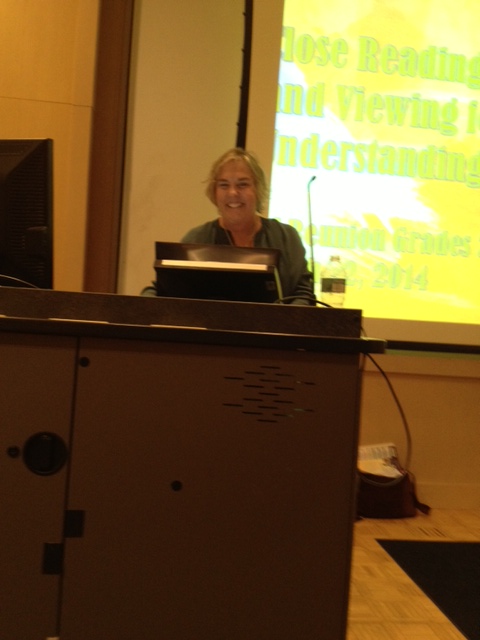
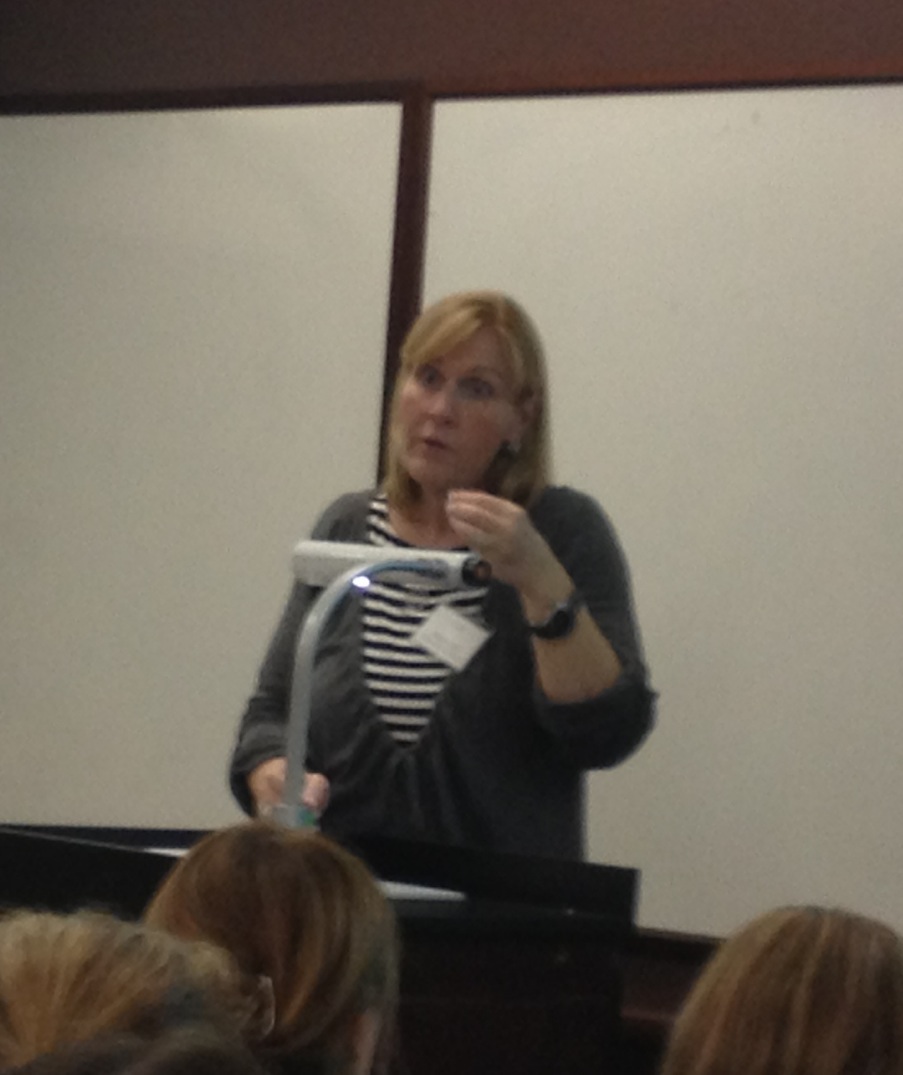
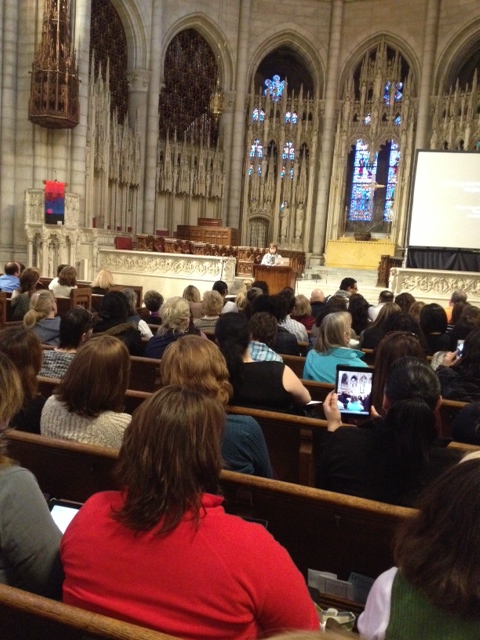
Diane Ravitch pointed out, in her keynote address at the Teachers College Reading and Writing Project Saturday Reunion yesterday, that the tests our children are taking as part of the PARCC and SBAC pilots “have no diagnostic value” and serve only to give “numbers to students.” What does this have to do with ensuring that a child is “college and career ready,” the stated goal of the current education reform movement? How does that help a teacher know her students and understand how to help them learn and grow?
If the Department of Education and the reformers working so hard to destroy public education truly cared about children and were interested in ensuring that every child reached his or her full potential, they would do everything in their power to help teachers enrich instruction. They would do everything in their power to ensure that teachers have time to, in Stephanie Harvey’s words, “teach kids to think so they can acquire and use knowledge” and “solve problems on their own.” They would do everything in their power to lower the rate of childhood poverty, the highest in the developed world.
If the reformers in power took only these steps, then would be on our way to giving all our children the education they deserve. Then we really would be the “Most Likely to Improve.”
Thank you, as always, to Stacey, Tara, Dana, Betsy, Anna, and Beth for hosting the Slice of Life Challenge. Be sure to visit Two Writing Teachers to read more Slice of Life posts.






 Reading to the Core