Slice 17 of 31: Common Core Connections and Teaching Science

Image

Last weekend, at the TCRWP Saturday Reunion, I attended Elizabeth Moore’s session titled “Reading, Writing, Content Area, and Common Core Connections: Using Our Best Methods to Teach Science.”  One of her main points was that we can use shared demonstrations and experiences to support non-fiction reading and writing. She emphasized that by giving students concrete experiences to write from, we can develop language arts skills through our science curriculum. Incorporating science topics into read aloud selections is another important element in supporting science instruction. While primary teachers have been doing this kind of experiential writing for decades, there is a new urgency to our instruction since by the end of second grade, students are expected to “Write informative/explanatory texts in which they introduce a topic, use facts and definitions to develop points, and provide a concluding statement or section.” (W.2.2)

Moore suggested using shared and interactive writing to write about the procedures of science activities. Break the writing down into manageable chunks and do a little each day.  Here is one possible routine:

Day 1–do experiment

Day 2–write procedures

Day 3–write findings & conclusions

Day 4–hypothesis–this could be done on day 2

Another point that Moore emphasized was that kids don’t necessarily ask good questions, so we have to teach them through modeling and practice. She shared these video clips to demonstrate asking and answering questions:

Sesame Street: Cookie Monster Questions Prairie Dawn

The Adventures of Asking Elmo

When I taught third grade, we taught a unit on the life cycle of plants. We sprouted beans, peas, and corn, then grew bean plants. As someone who came of age in the 70s, I thought sprouting an avocado would be a good addition to this unit. The kids loved checking the pit each day for signs that it would sprout, although many had doubts that anything green was going to ever come out of the very dead looking pit.

We kept track of how long it took the pit to sprout, then measured the growth of the seedling, which we eventually planted in soil. We created graphs galore to go along with this unit, but I don’t remember ever writing about it. What a missed opportunity!

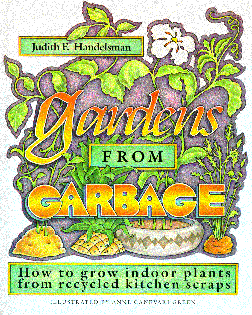
During this unit there were a number of informational texts that I read aloud to the class, but I haven’t taught this unit in eight years, and I’m sure many new and wonderful books have been published in the meantime. One of my favorites was From Seed to Plant  by Gail Gibbons (Holiday House, 1991). A favorite of mine was Gardens from Garbage. This book inspired us to branch out and try to sprout other plants:
Image
Gardens From Garbage, by Judith Handlesman (Millbrook Press 1994). Unfortunately, this is out of print.

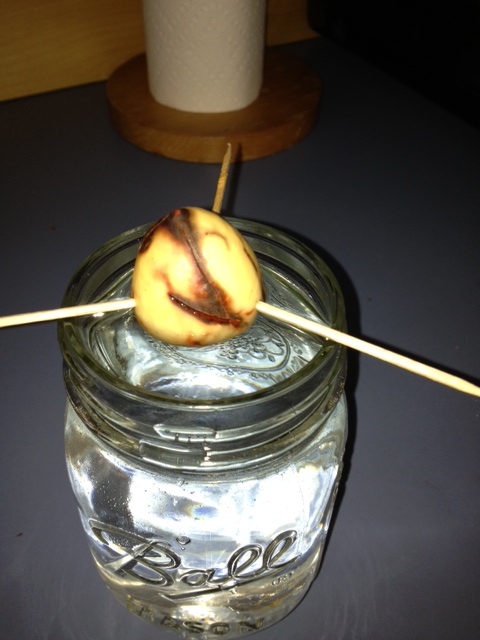
Coincidentally, my son made guacamole last week, so I asked him to save the avocado pit. After letting it dry out for a few days, I peeled the outer skin, poked three toothpicks into the side, and suspended it in a jar of water. This kind of shared experience involves a longer time frame than Moore’s demonstration, but still accomplishes her goal of giving students a concrete experience to write about.
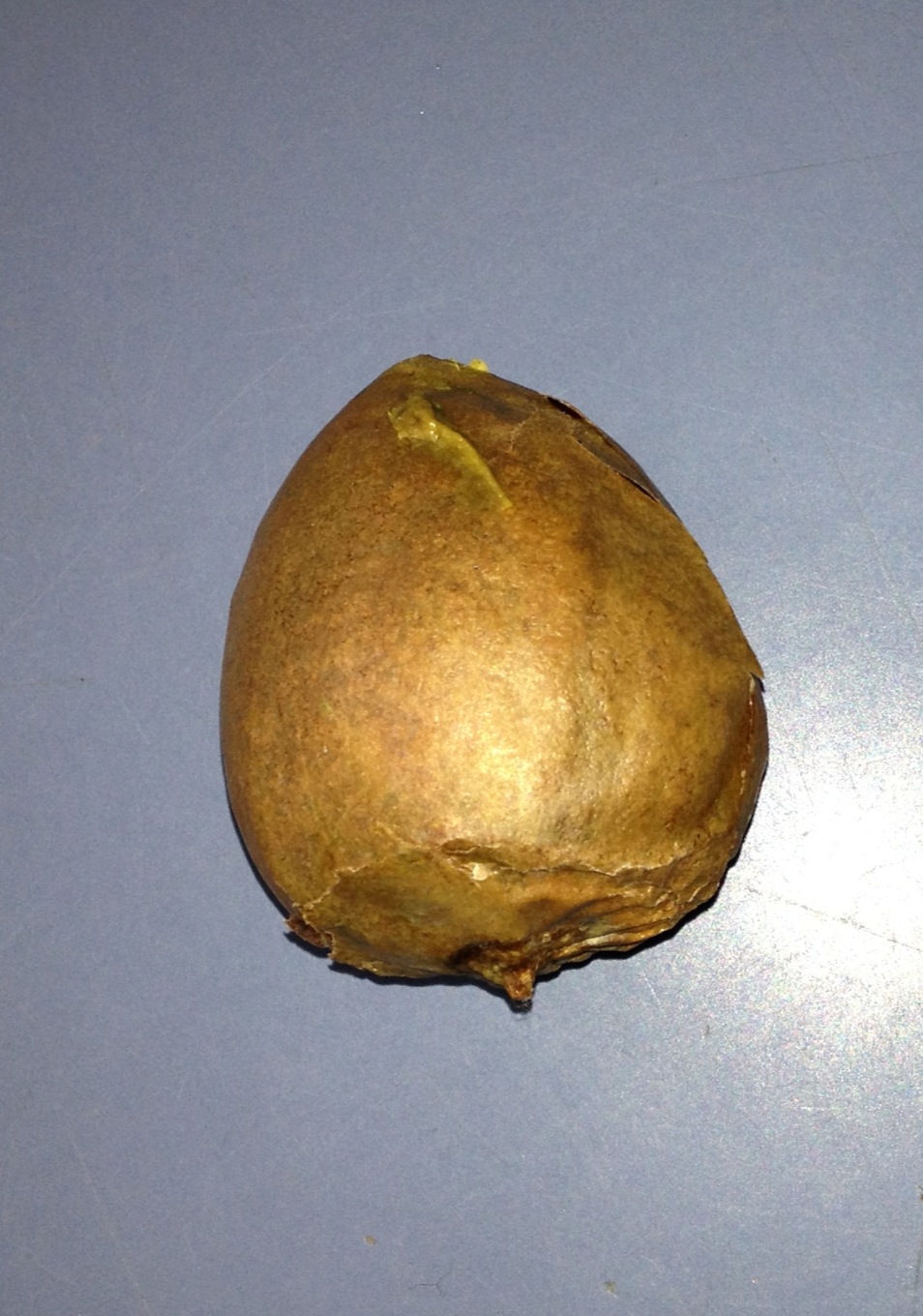
Unpeeled avocado pit
Will it sprout?

Thank you to Elizabeth Moore for her inspiring session, and thank you to Stacey and Ruth at Two Writing Teachers for hosting this Slice of Life Challenge!
Slice 16 of 31: An Afternoon at the Opera

sols_6

Today I went to the local movie theater to see an HD simulcast of this afternoon’s performance of Riccardo Zandonai’s opera Francesca da Rimini by the Metropolitan Opera. The tragic story of Francesca and her lover, Paolo, which was immortalized by Dante in The Inferno (and which I wrote about briefly here), has inspired numerous plays, operas, and paintings over the centuries.This production, which was last performed in 1984, is stunning. Francesca and her attendants wear gorgeous gowns in rich, deep colors covered with sumptuous embroidery. The sets transport you to 13th century Italy, and the music is filled with the passion of these desperate lovers.

T.S. Eliot wrote that “Immature poets imitate, mature poets steal.” The numerous versions of this story speak to the unending influence of its original source, which in turn contains countless references and allusions to other works of literature. In his brief telling of Paolo and Francesca’s story, Dante includes lines about Lancelot and Guinevere. While a reader or viewer of the opera doesn’t have to have knowledge of these works to understand what’s going on, having that knowledge deepens their appreciation of the story.

Last weekend, in her closing remarks at the TCRWP Saturday Reunion, Lucy Calkins urged teachers to build our knowledge base about the CCSS. She urged us to be wary of the Publishers’ Criteria, written by David Coleman and Susan Pimentel, which directly contradict the standards and intentions laid out in the original document. Anchor standard nine of the CCSS expects that students will be able to “analyze how two or more texts address similar themes or topics.” Eighth grade readers are specifically asked to:

Analyze how a modern work of fiction draws on themes, patterns of events, or character types from myths, traditional stories, or religious works such as the Bible, including describing how the material is rendered new. (RL.8.9)

Yet in the Publishers’ Criteria, Coleman and Pimentel demand that readers “focus on what lies within the four corners of the text.” How will students successfully meet standard nine if they can’t leave the confines of the text in front of them? Why would we make them try?

I’m glad I didn’t have to stay within the four corners of Zondanai’s opera this afternoon. I had a much richer experience.

Thank you to Stacey and Ruth at Two Writing Teachers for hosting this Slice of Life Challenge!

Slice 2013 15 of 31: A Big Sister Poem for Poetry Friday

Image

Earlier in the week I wrote about using Miss Rumphius to address Common Core standard 3.3, which deals with characters, their traits, motivations, feelings, and how their actions contribute to the sequence of events. While there are many picture books and chapter books that can and should be used to address this standard, I wanted to include poetry in the unit we’re developing.

Image

Kristine O’Connell George’s Emma Dilemma: Big Sister Poems (Clarion Books, 2011; illustrated by Nancy Carpenter) is ideally suited for this unit. These short poems are told from the point of view of Emma’s older sister, Jessica. Each poem deals with the daily life of a typical fourth-grader and her feelings about Emma. Taken together, the poems form a loose narrative chronicling Jessica’s evolving feelings toward Emma. An older sister myself, I especially appreciated this poem:

“Role Model”

Emma copies

everything I do

and sometimes

I don’t do

something

I might do

or really

want to do

because

I know

she is

always

watching

every single thing I do.

You can watch the trailer here:


Sylvia Vardell has collected much more information about Kristen O’Connell George, Emma Dilemma, and using this book in the classroom on her blog, Poetry for Children.

By the way, my sister hasn’t copied anything I’ve done for at least 40 years. And now we’re best friends.

Poetry Friday is at Check It Out today. Thanks for hosting!

Thank you to Stacey and Ruth at Two Writing Teachers for hosting this Slice of Life Challenge!
Slice 2013 12 of 31: Revisiting a Classic: Miss Rumphius

Image

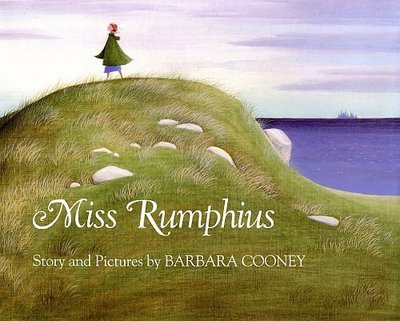
This afternoon I spent some time developing a unit of study on characterization for 3rd grade. Common Core Standard 3.3 states that students will “Describe characters in a story (e.g. their traits, motivations, feelings) and explain how their actions contribute to the sequence of events.” We currently use William Steig’s Brave Irene to introduce the idea that readers learn about characters by noticing their actions, their thoughts, and what they say. For now, we’re not going to change this. The CC standard goes deeper, though. Examining a character’s motivations isn’t something we’ve taught before. Thinking about how a character’s actions contribute to the sequence of events sounds like cause and effect, but this can be challenging for third graders. I know we’re going to have to model this more than once, and provide lots of opportunities for students to practice this deeper thinking.  With this in mind, I went through a shelf of picture books looking for another appropriate text and found Miss Rumphius, Barbara Cooney’s gorgeous story of a woman who wanted to make the world a more beautiful place. This book is one of my all-time favorites. I lived in Camden, Maine for two summers during college, and I have vivid memories of driving down Rt. 1 for the first time and seeing all the lupines growing wild. Needless to say, I think this book is an ideal choice to share with students to address this or any other standard.

Image

I did check the Lexile level (although I have many misgivings about this metric; more about these in another post) and Miss Rumphius, with a Lexile level of 680, is within the 2-3 grade level band. I also used the “Qualitative Measures Rubric” for literary text to evaluate the story in terms of its meaning, text structure, language features, and knowledge demands. As is often the case with rubrics, it was difficult to pinpoint where this narrative falls. Miss Rumphius is a frame story, which increases its complexity. Yet the story within the frame is told chronologically. There is some archaic vocabulary. Students are probably unfamiliar with words such as “stoop,” “figurehead,” and “prow.” Allusions to the cultures of the far-off lands Miss Rumphius visits also increase the complexity level of this story. After going through this process, I felt my instinct to use Miss Rumphius was validated. It may seem that this was a waste of time, but, as Lucy Calkins pointed out in her closing remarks at Saturday’s TCRWP Reunion, teachers have to build their knowledge base about the CCSS. Being familiar with this qualitative rubric is critical if we are to keep appropriate books in the hands of our students. Relying on Lexiles alone would be dangerous and unacceptable.

Will subjecting this beloved story to lessons based on the CCSS ruin it? Only if we let it. Again, if we know what the standards say, and design lessons that incorporate best practices to meet them, our students should be able to gain deep insight into a character who is generous and warm-hearted, motivated by her desire to have adventures, and to fulfill her grandfather’s directive to “make the world more beautiful.”

Thank you to Stacey and Ruth at Two Writing Teachers for hosting this Slice of Life Challenge!
Slice 2013 9 of 31: My Day at Teachers College Saturday Reunion

Image

This morning, I left my house at 5:30 and drove to Teachers College at Columbia University for their spring Reading and Writing Project Saturday Reunion. I spent the day with thousands of dedicated teachers soaking up the wisdom of the amazing presenters. Because I am now quite tired, here is my day in pictures.

Image
The sky was just beginning to lighten when I pulled out of my driveway.
Image
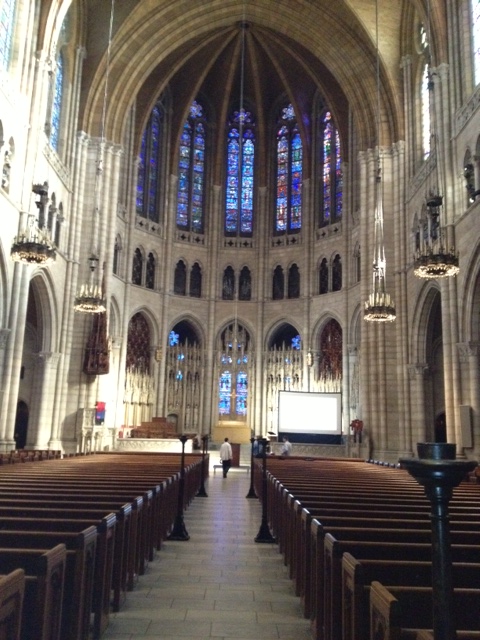
The Nave of Riverside Church when we arrived.
Image
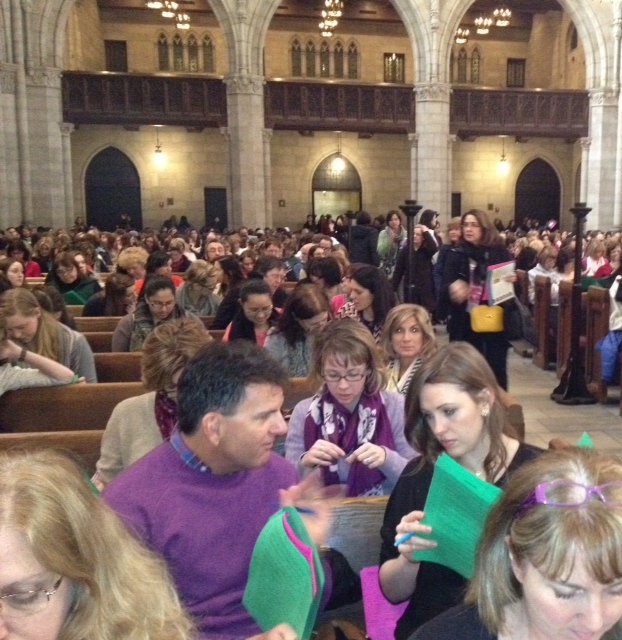
People choosing which sessions to attend as the Nave fills up.
Image
Katherine Patterson begins her keynote address, “The Richness of Creation”
Image
“In this bleak time, what our children need is beauty.” Katherine Patterson
Image
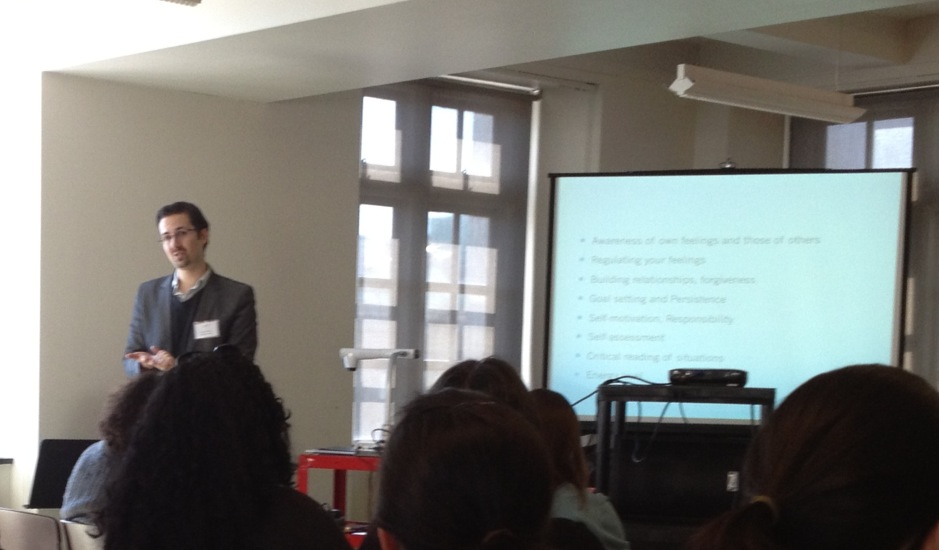
Chris Lehman urging us to use our literature instruction to build social emotional skills.
Image
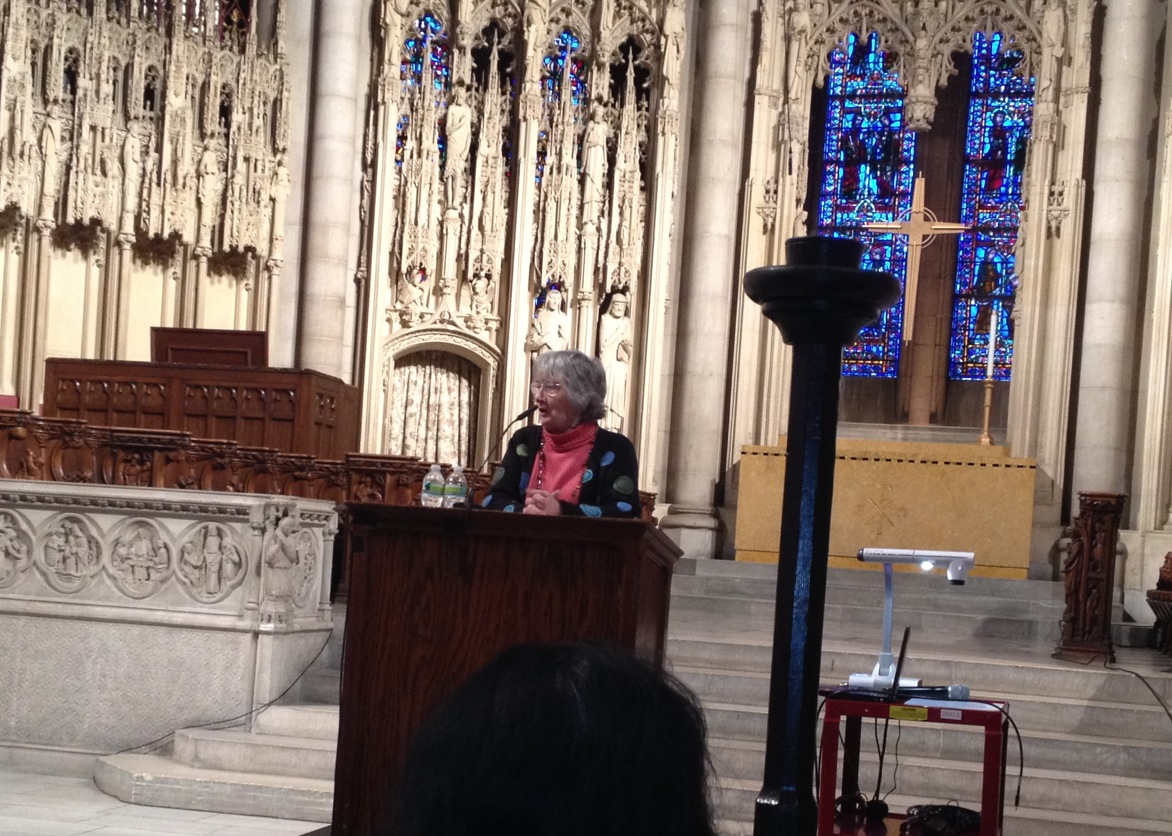
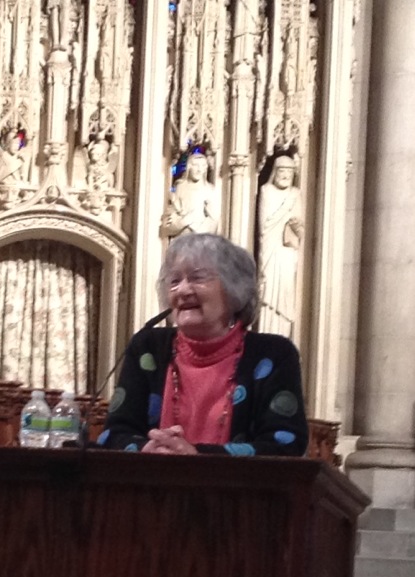
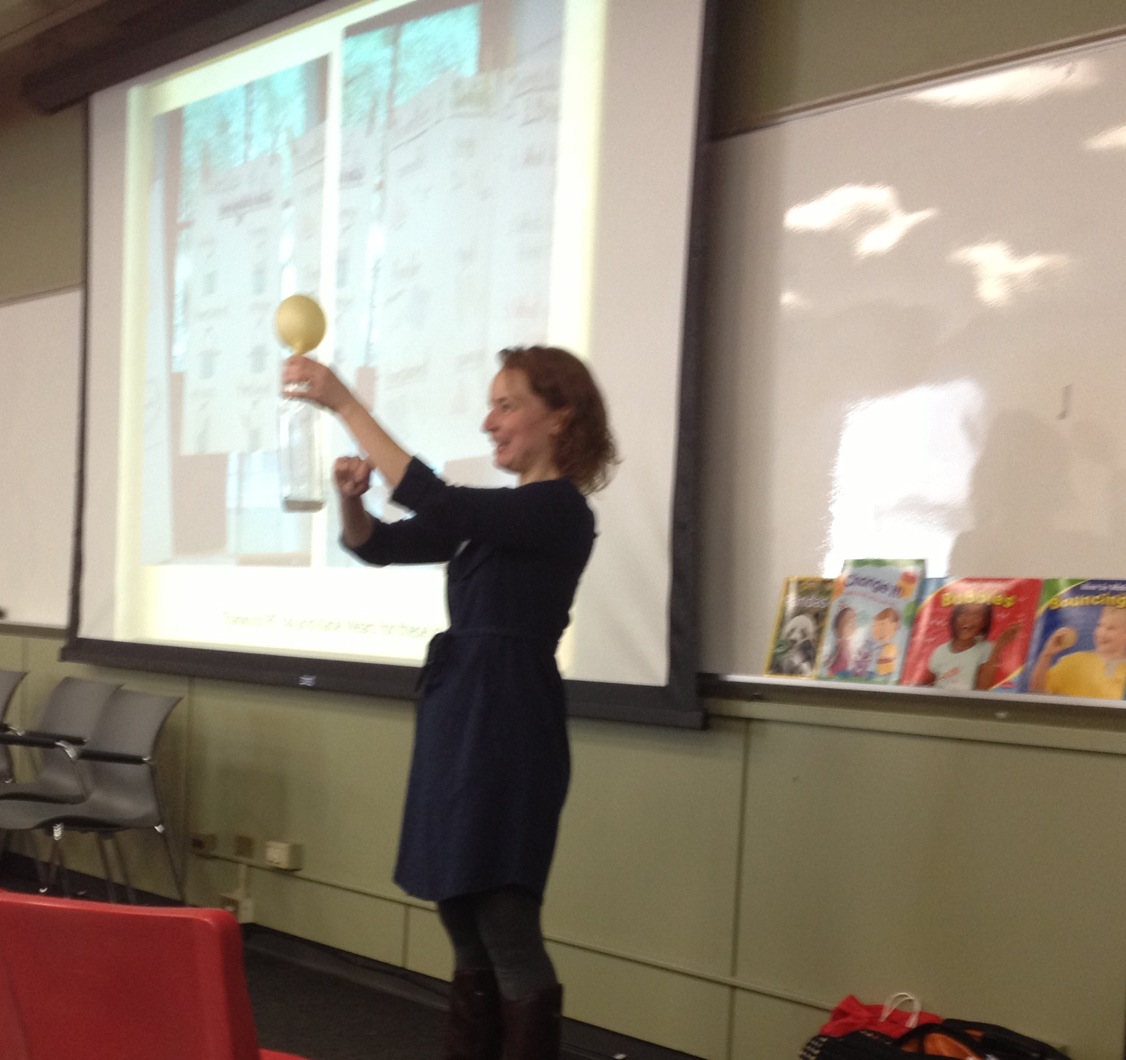
Elizabeth Moore modeling how to use demonstrations and experiments as the basis for shared or interactive writing.
Image
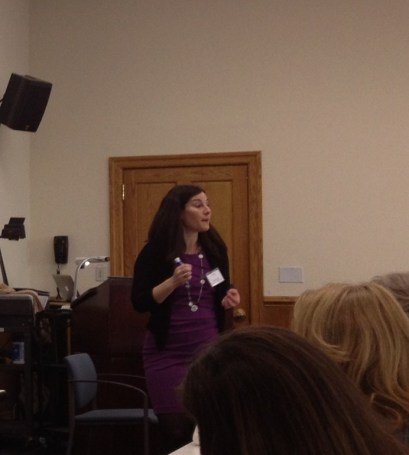
Brooke Geller explaining how to immerse students in articles to prepare them for a research-based argument essay unit.
Image
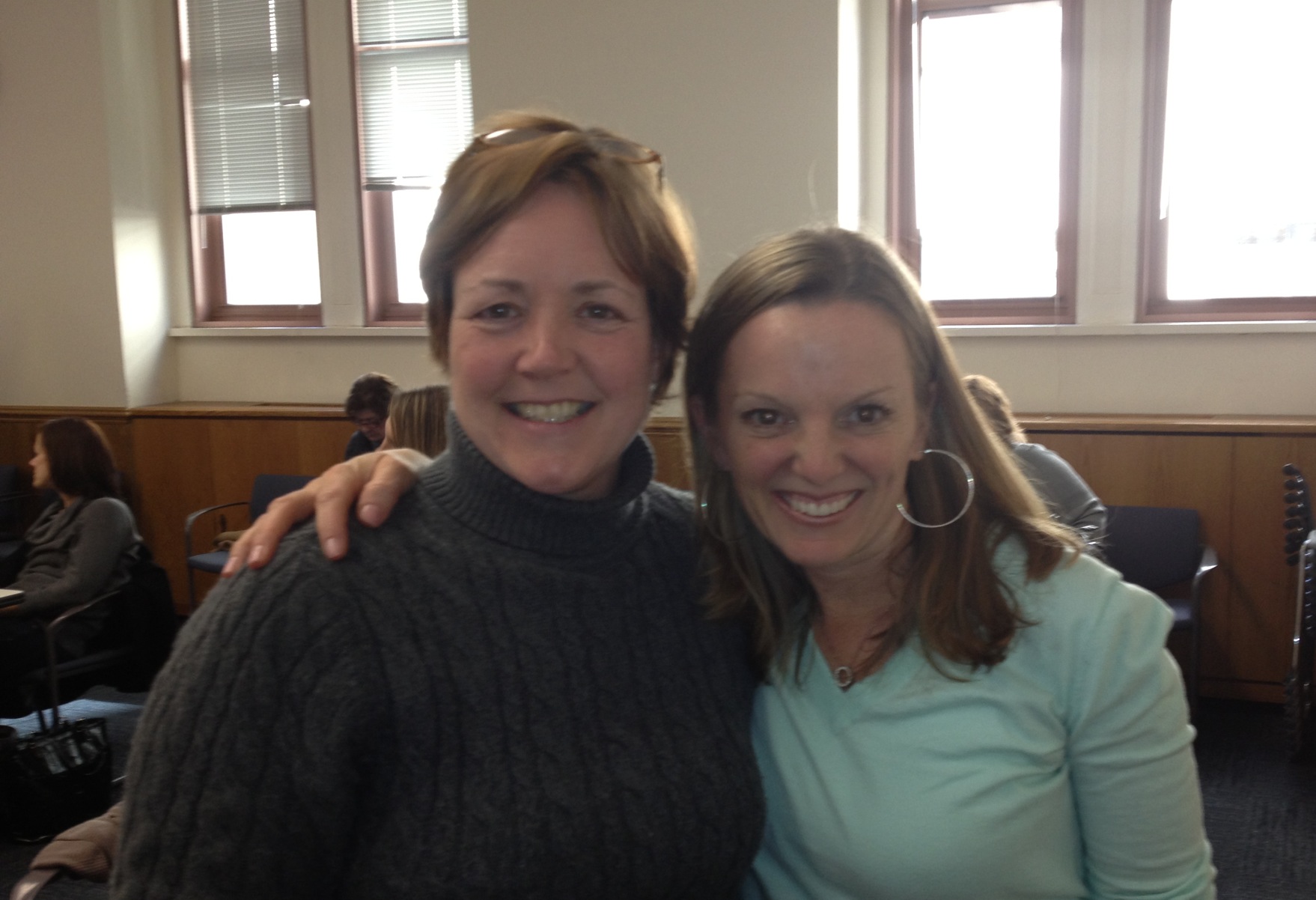
I was so excited to meet fellow slicer Melanie Meehan at Brooke’s session. She was sitting right behind me!
Image
Amanda Hartman reading Seymour Simon’s Super Storms during her session on deeping students’ comprehension of informational text.
Image
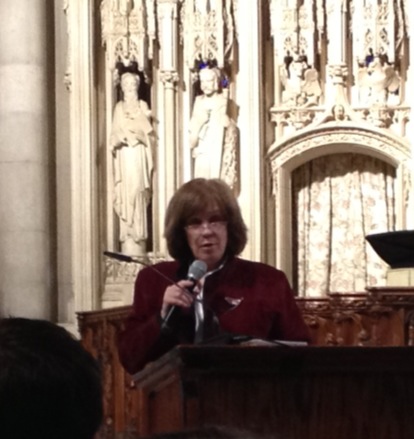
During her closing remarks, Lucy Calkins urged us to treat each other with kindness as we weather “the perfect storm” that is about to hit education.
Image
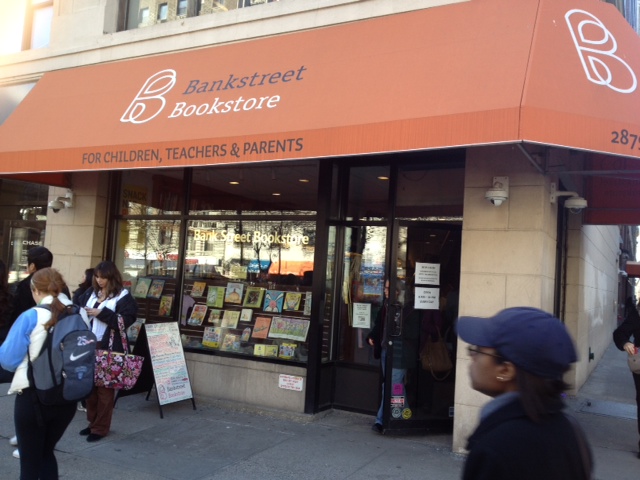
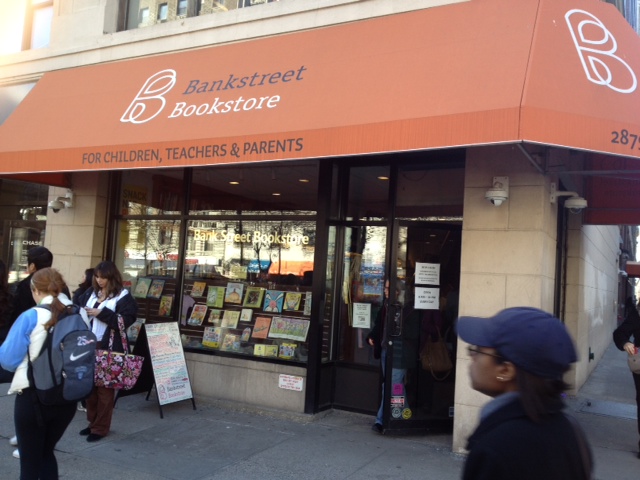
Last stop, Bank Street Bookstore!

As you can see, Saturday Reunions are an incredible experience. I learned so much today! You can also explore what others learned by checking out the #TCRWP hashtag on Twitter.  Thank you to Lucy Calkins and everyone at Teachers College for a fabulous day!

Thank you to Stacey and Ruth at Two Writing Teachers for hosting this Slice of Life Challenge!
sols_6

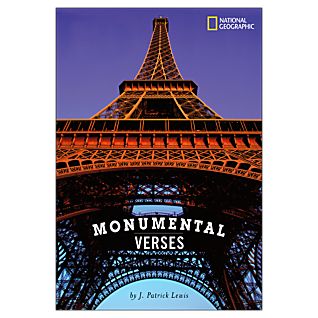
Poetry Friday: Monumental Verses by J. Patrick Lewis

url

Earlier this week, I took part in Nonfiction 10-for-10, a celebration of nonfiction books for kids. I struggled to narrow my list down to 10 titles, but decided to leave this book off when it occurred to me I could share it today.

When I was a kid, I loved arranging furniture in my dollhouse. As I got a little older, I filled notebooks with house plans and furniture arrangements. And while I did think about becoming an interior decorator, I never really considered becoming an architect. I’m not sure why, but I suspect it had something to do with my less than stellar math skills. So when I discovered Monumental Verses (2005), by J. Patrick Lewis, the latent architect inside of me was thrilled.

A bow to all who hoist the spirit high

And carve imagination into stone

By fire and forge, thrown hugely to the sky.

Whether they be well-or little-known,

The buildings in this picture book cement

A thought: No matter who the builders were,

They gave to time a timeless monument–

A human star-chitcture signature.

I cannot say what others make of this,

The mystery of Stonehenge, a Taj Mahal,

And yet I know how much the world would miss

Majesty at a glance if they should fall.

This book is for the curious at heart,

Startled at sights they seldom get to see

Or even dream of-science born of art,

Such works of genius these were meant to be.

Fourteen poems and gorgeous photographs celebrate architectural wonders from around the world. Lewis’s uses a number of poetic forms to describe wonders of the Empire State Building, Easter Island, the Arc de Triomphe, and more. Playful shape poems bring the pyramids, the Great Wall of China and Stonehenge to life. Vital statistics regarding when each structure was built, where it’s located, the architect (if known), and an amazing physical fact are included. An Epilogue offers writing advice to budding poets.

We have used this book with 5th graders as a mentor text. Engagement is high because students are fascinated by these incredible feats of design and engineering. After reading, they chose a well-known building or monument that interests them. Research is done, and once they’ve collected their facts, they write their own poetic tributes. A project like this doesn’t have to be terribly time consuming, and it covers a number of CC Standards. Lewis’s rich vocabulary addresses  Reading Literature standard 5.4, “Determine the meaning of words and phrases as they are used in text, including figurative language such as metaphors and similes.” Writing their own poems allows student to “Integrate information from several texts on the same topic in order to write or speak about the subject knowledgeably,” (RI.5.9) as well as “Produce clear and coherent writing in which the development and organizations are appropriate to task, purpose, and audience.” (W.5.4)

A book like this can pique a student’s curiosity about the man-made wonders of the world. It might even inspire them to become an architect!

You can learn more about J. Patrick Lewis on his website and find additional ideas for using Monumental Verses with your students here.

Don’t forget to visit Sheri Doyle’s blog for other Poetry Friday posts!

It’s Monday! What Are You Reading?

Image

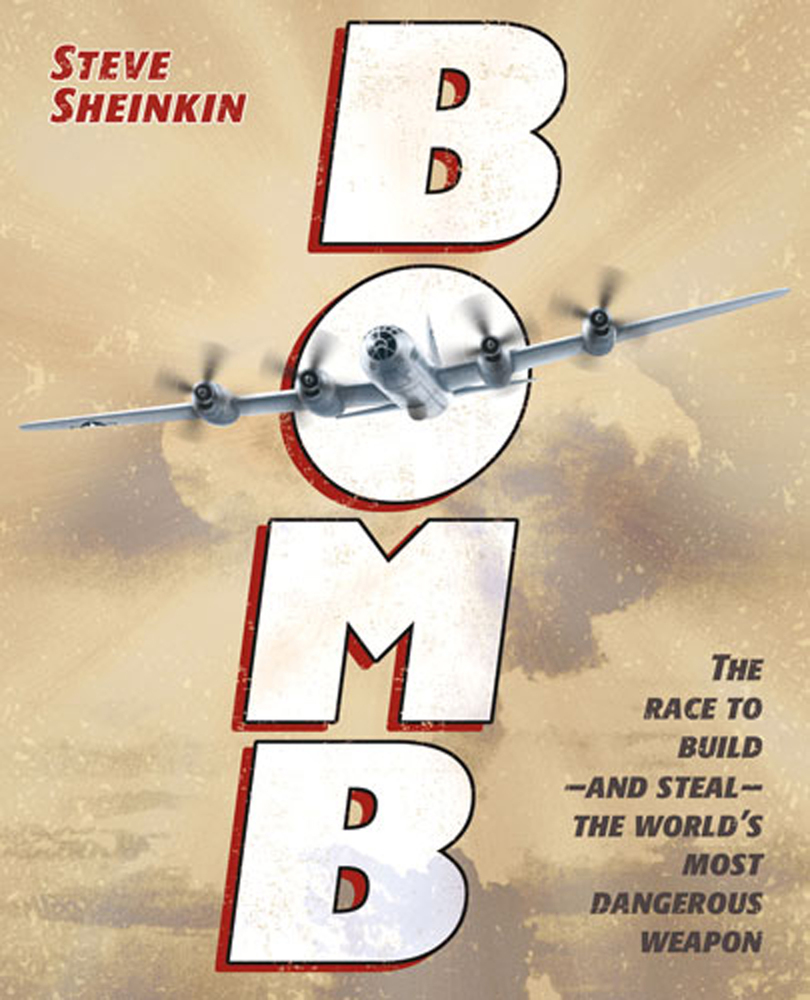
Yesterday I finished reading Bomb: The Race to Build–and Steal–the World’s Most Dangerous Weapon, by Steve Sheinkin, so now I’ve read all of this year’s Newbery books. Talk about a diverse selection! Each book is so different from the others, it’s difficult to say which I enjoyed the most. All of the novels would be excellent read-alouds. Splendors & Glooms has a lot of possibility for vocabulary and symbolism, and Clara’s family name Wintermute has to be one of the best charactonyms ever! I would certainly promote them for independent reading.

Bomb, however, is a different story altogether. Sheinkin, a former textbook writer, stated in an interview here that “history is just stories about people and dramatic events, so there’s nothing inherently boring about it.” He proves this in Bomb. This is the kind of book you could build an entire curriculum around. Science, history, math, it has everything. There are at least three separate story lines, and the narrative shifts back and forth between them, building suspense for readers who probably don’t have a lot of background knowledge about this subject. So many CC standards could be addressed through this text, especially Literacy anchor standard 3: “Analyze how and why individuals, events, or ideas develop and interact over the course of a text.”

The story of the heavy water plant in Norway is a thrilling adventure all on its own. My first thought was, how has this not been made into a movie? (Of course it has, once in 1948 and again in the 1960s.) Nova produced an episode devoted to these events in 2005. Surviving members of the team are interviewed, clips from the 1948 movie are included, and present-day footage of the area give viewers an even greater appreciation for what the commandoes accomplished. Incorporating clips from this episode while reading Bomb would allow students to “Integrate and evaluate content presented in diverse media and formats, including visually and quantitatively, as well as in words.” (CC anchor standard 7)

Image

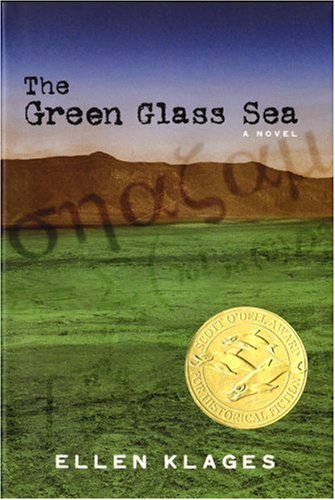
The Green Glass Sea, by Ellen Klages, is a great work of fiction to pair with Bomb. This 2007 winner of the Scott O’Dell Award for Historical Fiction centers on the life of Dewey Kerrigan, a bright 11-year old, whose father is involved with the work at Los Alamos. Historical figures, such as Robert Oppenheimer and Richard Feynman, make brief appearances in the story. Klages’ depiction of daily life at Los Alamos adds a depth of understanding and reality to the events described in Bomb. Feynman’s use of codes is mentioned in both books, and Dewey’s father writes to her in code. Watching the Trinity test, the children’s impromptu parade at the end of war and other events mentioned in both books would allow students to “Compare and contrast a fictional portrayal of a time, place, or character and a historical account of the same period as a means of understanding how authors of fiction use or alter history.” (RL.7.9)

In addition, both Bomb and The Green Glass Sea bring up the misgivings of many of the scientists, including Oppenheimer, about the use of atomic bombs after their use on Hiroshima and Nagasaki. This debate, as Sheinkin, states at the end of his book, are ongoing to this day. It is a natural topic for research and argument writing as spelled in Writing Anchor Standards 1,7, 8, and 9.

Bomb makes history exciting and engaging. It is exactly the kind of book we should be using in our classrooms to spark the imagination of our students and open doors to further study.

Be sure to stop by Teach Mentor Texts to see what other fabulous books people are reading today.

Poetry Friday: STORM

0618023747

School is closed,

The trains have stopped,

Over two feet of snow cover the

Roads. Nothing

Moves.

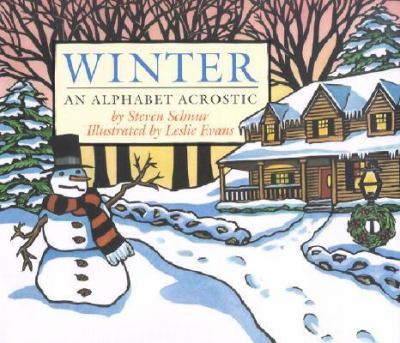
Today’s poem comes from Steven Schnur’s Winter: An Alphabet Acrostic. (Clarion, 2002) This lovely, deceptively simple book examines winter from all angles. Indoors, outdoors, living or not, everything is affected by this harshest time of year. The poems chronicle the unfolding season, from the first hints of ice at the edges of a pond, to the height of the holiday season, until finally, subtle signs of spring begin to appear. Leslie Evans created linoleum-cut illustrations that capture the tone of each poem. Schnur and Evans have a book devoted to each season and each one is worth a look.

I love acrostics because they can free students from being intimidated by poetry. They can be as simple as a list, and they don’t have to rhyme. I have shared this book with first and third graders, and both age groups loved the poems. Use the book as a mentor text so students become familiar with the acrostic form and the idea of focused description. Schnur’s poems never feel forced, although you might have to look up “xyst.” (I did!) They are also fine examples of “how specific word choices shape meaning or tone” (http://www.corestandards.org/ELA-Literacy/CCRA/R), which, according to the CCSS, students should be able to analyze and interpret.

Vocabulary and word choice show up again in CCSS Language Anchor standard five. Again, reading Schnur’s acrostics, as well as those by other poets, are a natural way to develop vocabulary and help students be conscious of word choice. The standard calls for students to “Demonstrate understanding of figurative language, word relationships, and nuances in word meanings.” (http://www.corestandards.org/ELA-Literacy/CCRA/L) First graders are expected to “distinguish shades of meaning among verbs differing in manner…and adjectives differing in intensity.” (L.1.5.d) Writing their own acrostic poems and creating a class book is a natural extension of reading this book. This is an authentic way to introduce the idea of precision of word choice and allows for exactly the kind of work expected by CCSS. In addition, composing their own poems and searching for just the right word is a much more natural way to develop vocabulary than with mindless worksheets or computer games. Students can choose everyday objects or events that they associate with the season, or any other topic, really. Giving students the opportunity to choose their own subject ensures they’ll be engaged in work that’s meaningful to them.

Be sure to stop in over at A Teaching Life for other Poetry Friday posts. Thanks, Tara, for hosting! Hope you all stay safe and warm over the next few days. Happy reading!

Reflections on One Year of Blogging

Image

Today is Reading to the Core’s first birthday! Although my posts have been sporadic at best, I’ve learned a lot over the past year. Since birthdays and anniversaries are always a good time to look back and reflect, here, in no particular order, are my thoughts on becoming a blogger.

The blogosphere is filled with friendly, supportive and generous people. While this may not be true of all corners of cyberspace, this describes the kidlitosphere in spades. I’ve been inspired by you all! Kate Messner’s Teacher’s Write summer camp prodded me to write more. While not everything I wrote in response to her prompts ended up here (trust me, that’s a good thing!), she and all the writers who joined in encouraged me to stretch myself and take risks. Thanks, Kate!

It’s Monday, What Are Your Reading (Book Journey), Tuesday’s Slice of Life (Two Writing Teachers) and Poetry Friday (various hosts, but you can always find the line up at A Year of Reading) have also been especially motivating. Thank you to all you equally busy bloggers who’ve found your way here via one of these memes.

I’m also thankful for the kind words people have left in their comments. I especially appreciate my loyal commenters Colette, Betsy, and Elizabeth. Some people may despair that the internet is changing the world as we know it, but I am incredibly grateful that it allows me to connect with faraway friends so easily.

One of the most eye-opening realizations I’ve had from blogging is just how difficult it is to sit down and compose a half-way intelligible piece of writing. Not one of these posts has been completed in less than an hour, and they have usually been rolling around in my head for a day or two before I begin writing. Why we think our students should be able to sit down and hammer out a fluent story or essay in 45 minutes is beyond me. They should have at least an hour! Seriously, without regular, sustained writing practice, it simply isn’t fair to subject our students to the kind of writing assessments that dominate today’s instructional landscape. As a result of this insight, I have been more mindful of my own writing instruction and my support of teachers implementing writing workshop this year.

Over the next year I’m really going to make a concerted effort to post at least once a week. I have lots left to say about books, teaching, and life in general. Which brings me to the name of this blog. In one sense, the “Core” of the title refers to the Common Core. I think about the implications of the CCSS on instruction almost all the time. (Sad, I know.) And yet, much of what I wrote about over the past year had nothing to do with these standards. They were more about what’s at the core of me: curiosity about the world around us and a passion to help all kids find their own true self, to find their own true core.

Poetry Friday: Mindfulness and the Poet Joyce Sidman

Mindfulness, according to Jon Kabat-Zinn, “means paying attention in a particular way; On purpose, in the present moment, and nonjudgmentally.” Much easier said than done.  Author/illustrator Bryan Collier once asked an audience if they had caught the color of the day that morning when they left the house. In other words, were they being mindful.

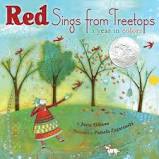
Winter has a reputation for being drab and gray. Sometimes a pristine blanket of white brightens the landscape, but too quickly it becomes trampled and dirty. Earlier this week, while driving to work (the one time of day I remember to be mindful), I was treated to a glorious pink sky. Joyce Sidman’s award-winning Red Sings from Treetops: A Year in Colors immediately came to mind. She writes

“In the WINTER dawn

Pink blooms

powder-soft

over pastel hills.”

Isn’t that lovely? Pamela Zagarenski’s Caldecott-Honor winning illustrations perfectly complement Sidman’s beautifully crafted images.

Image

Sidman’s mindfulness, her keen observation, is evident in every poem. Colors are personified as they change from season to season. Sidman’s imagery seems effortless, yet creates a sense of wonder that makes readers want to rush outside and drink in the beauty that surrounds them.

Teachers across the country have many questions about the place of poetry as they implement the CCSS. Can they even still teach poetry? Of course they can! Reading Literature Standard 4 states that students will “Interpret words and phrases as they are used in a text, including determining technical, connotative, and figurative meanings, and analyze how specific word choices shape meaning and tone.” This begs to be addressed through poetry. Joyce Sidman’s work is a perfect place to start. Not only can students examine her figurative language and word choice, they can follow her example of mindfulness. Teaching students to view the world with awareness so they can gather their own ideas, seeds of writing to come, is just as critical as any skill listed in the standards.

Joyce Sidman’s work deserves a place in all classrooms. Indeed, the National Council of Teachers of English just named her the 2013 winner of the NCTE Award for Excellence in Poetry for Children. Read more about Red Sings from the Treetops and Sidman’s other books here. Congratulations, Joyce, and thank you for creating poems that remind us to always pay close attention to the world around us.