Poetry Friday: “Headline”

poetry-friday-1-1

“Make poetry out of every moment.”

~ Cid Corman ~

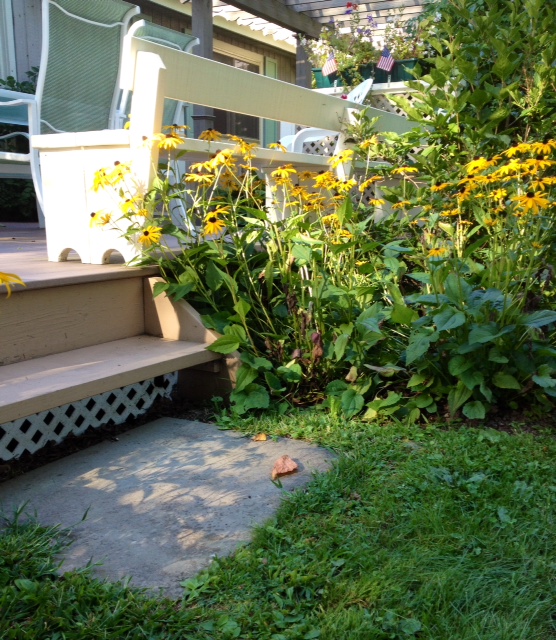
The weather has been beautiful in Connecticut this summer, but several recent cool nights signal a change is on the way. Poets love to celebrate the seasons, and many wonderful poems sing the praises of autumn. Today I’m sharing a poem from Firefly July, (Candlewick Press, 2014), Paul B. Janeczko and Melissa Sweet’s gorgeous new anthology.

“Headline”

A leaf on

the doorstep—

dont even

have to pick

it up to

know the news.

by Cid Corman

photo-3

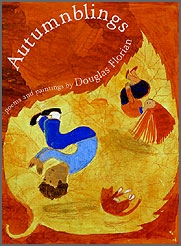
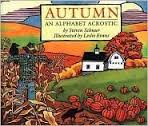
There are several wonderful poetry collections for children specifically about fall. My favorites include Autumnblings, (HaperCollins, 2003) by Douglas Florian, and Autumn: An Alphabet Acrostic (Houghton Mifflin Harcourt) by Steven Schnur. Both books are perfect to use as mentor texts for young poets.

         autumnblings181    images

Be sure to visit Jone at Check It Out! for the Poetry Friday Round Up.

Slice of Life: This Post Is Not Perfect!

11454297503_e27946e4ff_h

I thought about starting a blog for at least two years before I finally took the plunge with Reading to the Core. Many questions plagued me before I started. What would I write about? Would anyone read my ramblings? But the loudest and most persistent question was this: What if it’s not perfect?

Perfection paralysis (not my phrase, but I can’t remember where I first read it), I’ve since discovered, is quite common among writers and bloggers. And it seems that teachers with blogs are the most seriously afflicted. Many teachers are perfectionists to begin with, and the thought of sharing a piece of writing that might not be perfect with the whole world is sometimes more than we can take.

Here’s the thing about perfection paralysis, though. Paralysis is not a good thing. We are meant to move and learn and grow. This lesson has played out in my life a number of times over the last year, most recently during my week at the TCRWP Reading Institute.

Last week I shared the story of my trek over the Brooklyn Bridge with Dayna Wells. When I got back to my hotel that night, it occurred to me that our adventure was an apt metaphor for the situation many teachers find themselves in these days. Neither of Dayna or I had ever been to the Brooklyn Bridge, and the windy, rainy weather was less than perfect. But we ventured out anyway.

We took a risk that paid off not because we were lucky, but because we set ourselves up for success. First of all, we were together, supporting each other along the way. We had several tools at our disposal, namely the apps on our phones. We did head off in the wrong direction at the start, but our instincts helped us realize our mistake and we quickly turned around. And finally, we had a positive attitude, and set off ready to succeed.

Today, teachers around the country are at the foot of the bridge into the future. We have many tools and resources at our disposal to help us on this journey. We have instincts and knowledge to help us know when we veer off the right path. It’s up to us to bring a positive attitude to this challenge; one that will help us when we get discouraged. It’s critical, though, that we support one another along the way. In her keynote that kicked off the Institute, Lucy Calkins urged us all “to lift up the level of the people” we work with. We have to help one another improve our teaching so our students can learn and grow at higher levels.

Starting my blog and becoming part of the amazing community of teacher-bloggers on Two Writing Teachers, Poetry Friday, Twitter, and more has lifted the level of my teaching in ways I could never have imagined two years ago. So as we begin a new school year, if you have perfection paralysis about joining Twitter, starting a blog, or even trying a new unit, let it go. You may have a false start, and there will be bumps along the way. But the view from the top of the bridge is spectacular!

Photo via everystockphoto.com

Thank you, as always, to StaceyTaraDanaBetsyAnna, and Beth for hosting Slice of Life each Tuesday. Be sure to visit Two Writing Teachers to read more Slice of Life posts.

Poetry Friday: “I Am Poetry”

poetry-friday-1-1

I have spent the past week at the Teachers College Reading and Writing Project’s Summer Reading Institute. My brain is bursting with all I have learned from my amazing section leaders and the keynote speakers. My senses are overwhelmed by the sights and sounds of New York City in August. My life is richer because of people I have met and friends I have made. It has been a glorious week.

How could I possibly choose a poem to share today that reflects my week? By focusing on one small piece of my experience.

Each teacher was given a book at the beginning of the week to use as a mentor text for the work of the Institue. I received Becoming Naomi León (Scholastic Press, 2004) by Pam Muñoz Ryan. I have loved every book I’ve read by Ryan, but somehow, I had missed this beautiful story about a young girl finding her true self. Pam Muñoz Ryan’s writing is so lyrical, I wondered if she’d written any poetry. A quick search reminded me about The Dreamer, Ryan’s lovely book about the young Pablo Neruda and led me to this poem:

“I Am Poetry”

by Pam Muñoz Ryan

I am poetry,

waiting to seize the poet.

I ask the questions

for which all answers

exist.

I choose no one.

I choose every one.

Come closer…

…if you dare.

I am poetry,

lurking in dappled shadow.

I am the confusion

of root

and gnarled branch.

I am the symmetry

of insect,

leaf,

and a bird’s outstretched wings.

Read the rest of the poem here.

If you haven’t read Becoming Naomi León, The Dreamer, or any of Ryan’s other novels for children, read one today. You’ll be glad you did. 

Please be sure to visit Heidi at My Juicy Little Universe for the Poetry Friday Round Up.

Picture Book 10 for 10: Friendship Favorites

pb 10 for 10 015

“…nothing breaks this golden strand

spun by heart and not by hand.”

Clare Mishica

Picture Book 10 for 10 is the brainchild of Cathy Mere of Reflect & Refine: Building a Learning Community and Mandy Robeck of Enjoy and Embrace Learning. During this annual event, now in its fifth year, teachers, librarians, and book lovers create lists of 10 essential picture books. Cathy and Mandy collect and share these lists, and everyone is richer because of their efforts. Be sure to visit their blogs to see their lists, and check out links to other lists. Thank you, Cathy and Mandy, for organizing this celebration of children’s literature! This is my third year joining in the fun. Last year, I devoted my list to favorite books by Jane Yolen, and the year before, I shared favorite wordless picture books.

Last month, Jillian Heise and Kim McSorley wrote about their “Top Ten Favorite Picture Book Friendships” for Nerdy Book Club. Their list included many of my favorites, especially several of Mo Willems Piggy & Elephant books, Flora and the Flamingo, by Molly Idle and Deborah Freedman’s The Story of Fish and Snail. But their list got me thinking about picture book friendships from the past, stories that my own children loved when they were small and stories that I’ve shared with my students throughout my teaching career. Here, in no particular order, are some of my favorites.

Amos & Boris  by William Steig (Farrar, Straus, and Giroux, 1971)

9780374302788_xlgI adore this timeless tale of friendship between a mouse and a whale. I spouted off about this book about a year ago. You can read more about it here.

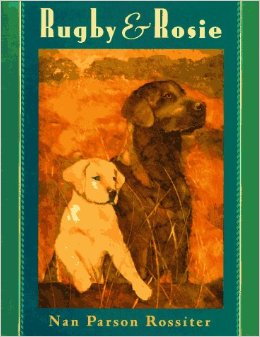
Rugby & Rosie, by Nan Parson Rossiter (Dutton, 1997)
51N8MPC5A6L._SX258_BO1,204,203,200_

This is a classic boy-and-his-dog tale with a twist. Rugby and the nameless narrator are always together: on the way to the bus, after school, and “he sleeps beside my bed at night.” Rosie, a puppy being trained as a guide dog, soon arrives and quickly becomes part of the family. Rossiter’s story follows the friends throughout the year of Rosie’s training and how the family deals with their sadness after Rosie’s inevitable departure.

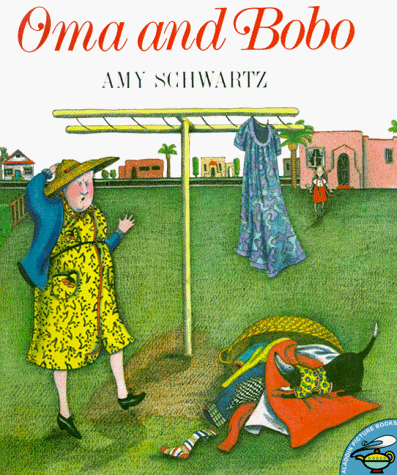
Oma and Bobo by Amy Schwartz (Bradbury Press, 1987)
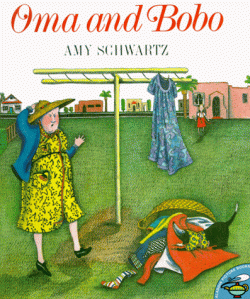
665429Alice is thrilled when her mother tells her she can have a dog for her birthday. She finds Bobo at the local animal shelter. When Alice asks her grandmother, Oma, what she should call the dog, Oma replies, “Trouble, Bother, and Nuisance.” Of course Oma’s feelings change by the end of the book and she plays a key role in Bobo’s success at obedience school.

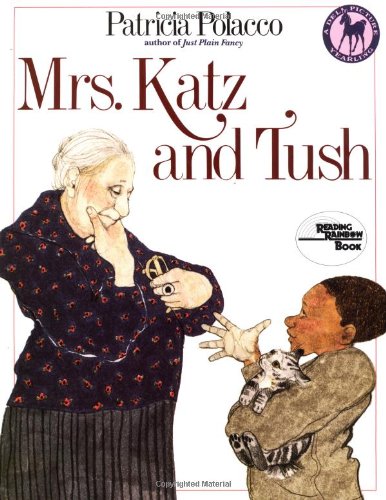
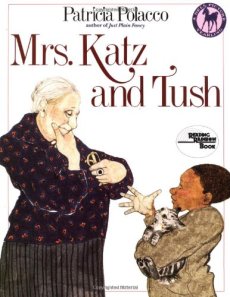
Mrs. Katz and Tush, by Patricia Polacco (Bantam Books for Young Readers, 1992)
517fcurW8NL

Patricia Polacco is a master at telling tales of friendship, and this story of an elderly woman and her young neighbor is a classic. Strangers at the beginning of the book, Larnel, Mrs. Katz, and her kitten, Tush quickly become friends. Larnel learns much from Mrs. Katz about caring, family, and tradition.

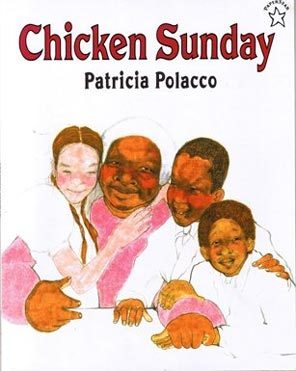
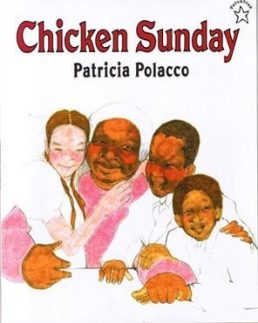
Chicken Sunday, by Patricia Polacco (Philomel Books, 1992)
2008583594

Another classic tale of intergenerational and multicultural friendship. As in many of her other books, Polacco combines illustration with family photographs, which give this book a very personal dimension. Kids love speculating about who’s who in the pictures on Miss Eula’s sideboard.

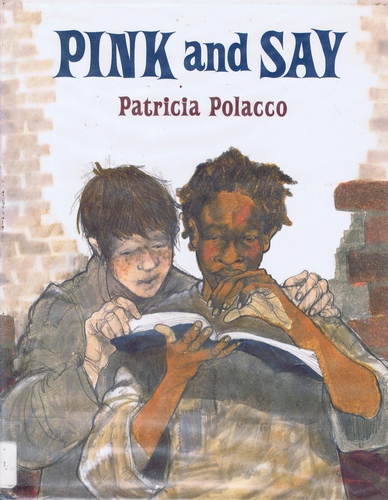
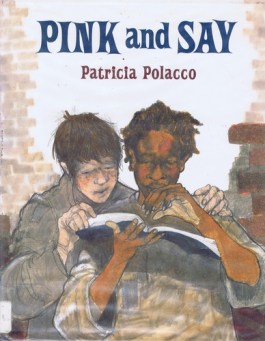
Pink and Say, by Patricia Polacco (Philomel Books, 1994)
715Y+itb7rL

Polacco tells this heart-breaking true story of two young Union soldiers with honesty and sensitivity. At the end of the book, Polacco shares how this story has been passed down through her family for generations. Thank you, Patricia Polacco, for sharing it with us.

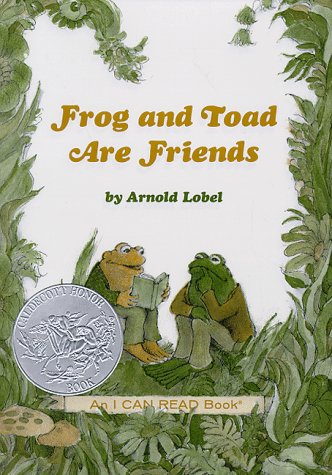
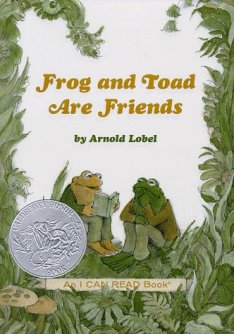
Frog and Toad are Friends, by Arnold Lobel (Harper Trophy, 1970)
Frog_and_toad_cover

Is there anyone who doesn’t love Frog & Toad? In this perennial favorite, Lobel depicts Frog and Toad weathering the everyday trials and tribulations of friendship with humor and compassion.

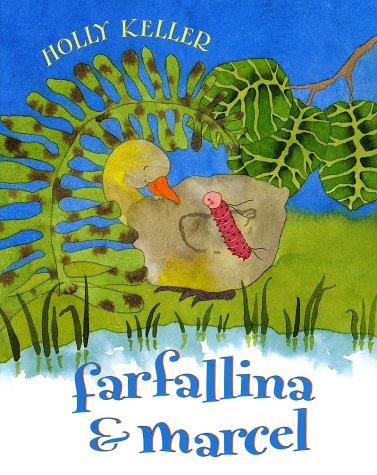
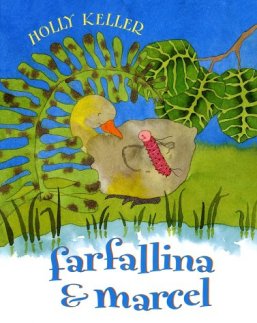
Farfallina & Marcel, by Holly Keller, (Greenwillow Books, 2002)
9780066239323

Holly Keller’s gentle tale follows the friendship between Farfallina, a caterpillar, and Marcel, a goose, and how they withstand separation and BIG changes.

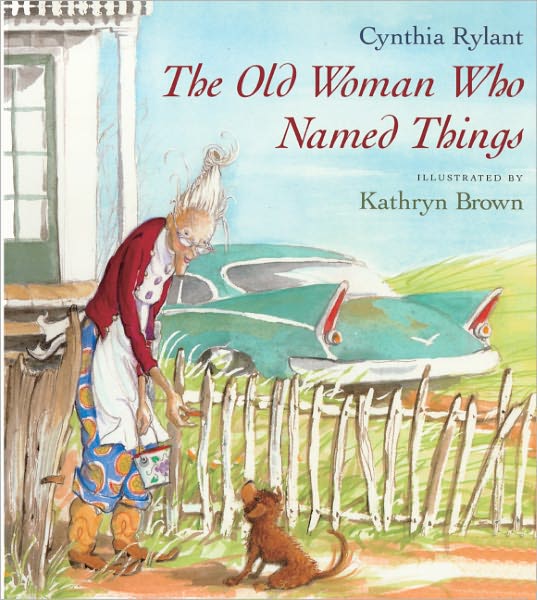
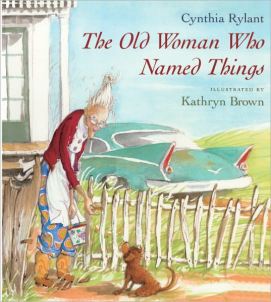
The Old Woman Who Named Things by Cynthia Rylant, illustrated by Kathryn Brown. (Harcourt, 1996)
old-woman-who-named-things

The old woman of the title has outlived all her friends and makes up for her loneliness by only giving names to things that will outlive her. But when a shy, brown dog arrives at her gate, the old woman reconsiders the wisdom of this decision. Rylant explores our universal need for companionship with tender understanding.

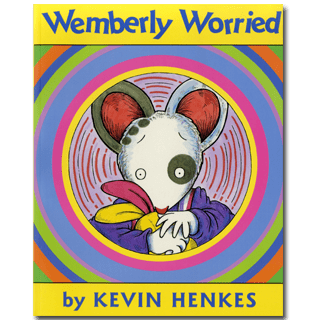
Wemberly Worried, by Kevin Henkes (Greenwillow Books, 2000)
8-19-Wemberly-Worried

Poor Wemberly worries about everything. Her family tells her she worries too much, but this doesn’t stop her. Wemberly’s list of worries gets even longer when she starts school. But when she makes a new friend, Jewel, her worries are forgotten. Wemberly Worried is a fine example of Henkes’s mastery of capturing the feelings of preschool and primary kids.

There are so many other books I could have included on this list. What’s your favorite tale of friendship?

Poetry Friday: “The Picnic”

poetry-friday-1-1

“The Picnic”

We brought a rug for sitting on,

Our lunch was in a box.

The sand was warm. We didn’t wear

Hats or shoes or socks.

Waves came curling up the beach.

We waded. It was fun.

Our sandwiches were different kinds.

I dropped my jelly one.

by Dorothy Aldis

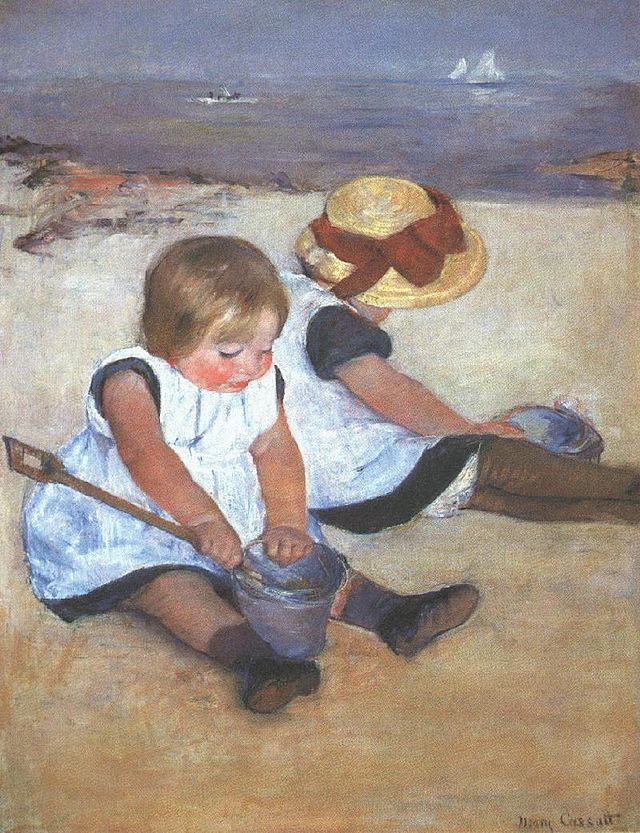
I discovered this poem years ago in Jack Prelutsky’s wonderful anthology, Read-Aloud Rhymes for the Very Young. (Knopf, 1986) And although Dorothy Aldis wrote it almost 100 years ago, children can relate to this simple depiction of a picnic at the beach just as easily today as they did then. First graders love this poem, and the concrete details help those kids who don’t automatically visualize learn to create images from a poet’s words.

"Cassatt Mary Children on the Beach 1884". Licensed under Public domain via Wikimedia Commons - http://commons.wikimedia.org/wiki/File:Cassatt_Mary_Children_on_the_Beach_1884.jpg#mediaviewer/File:Cassatt_Mary_Children_on_the_Beach_1884.jpg
“Cassatt Mary Children on the Beach 1884”. Licensed under Public domain via Wikimedia Commons

Hope you all have time for one more picnic at the beach before summer ends! Please be sure to visit Mary Lee at A Year of Reading for the Poetry Friday Round Up.

Slice of Life: Becoming Fearless

11454297503_e27946e4ff_h

“Play around. Dive into absurdity and write. Take chances. You will succeed if you are fearless of failure.” 

Natalie Goldberg, Writing Down the Bones: Freeing the Writer Within

I highlighted these lines in my copy of Goldberg’s wise and funny book years ago. But I feel like I’m just beginning to truly understand their implication in terms of what is possible for me as a writer.

Why did it take me so long to come to this understanding? Maybe I’m a slow learner. More likely is the fact that I’ve been writing a lot this summer. And through the process of becoming more immersed in the story I’m working on, I have become fearless. Okay, less fearful.

But there’s more to it than just writing more. Two experiences from the past month have played a huge role in helping me get to this point.

Thanks to a conversation Melanie Meehan and Betsy Hubbard had on Twitter a few months ago, I am now part of an online critique group. I cannot overstate how lucky I am to work with Melanie, Stacey, and Julie. They are incredibly supportive and kind, but also offer meaningful suggestions and advice. Another benefit of being part of this group is reading my partners’ amazing writing. Melanie, Stacey, and Julie are all talented writers, and I’ve already learned so much from the pieces they’ve shared with the group.

My experience at art camp earlier this month also helped me be more comfortable to “play around” and “take chances” in my writing. One of the activities that I found especially helpful was creating an “analog drawing” of a problem. In analog drawing, only lines are used to express emotion, among other things. As I sketched my problem, I realized I was creating a narrow doorway with a border that looked very much like battlements. “Is this how I approach problems?” I wondered, appalled at the thought. I began to sketch other doorways, doorways that opened wider and were less rigid. As I continued to draw, I came to the realization that these narrow doorways were impacting my writing.

So it was with these two experiences in mind that I was able to not, in Natalie Goldberg’s words, be “tossed away…by [the] fiasco” of this line in my first draft of a story about a girl whose mother has just died:

“Holly was devastated that she would be separated from her two best friends.”

As my husband might say, “Well, no s*&t, Sherlock.” As soon as I read this line, I knew my critique partners would point out its many weaknesses immediately. I really didn’t want them to even see this lame line. I also thought of my drawing of the opening doors. Why was I afraid to find out how Holly dealt with this devastation?  Just write. Dive in and see where this line leads.

After an hour of revision, one short sentence had become two pages of action and dialogue that reveal much about Holly and her mother. These are the lines (which still need plenty of work) that replaced the original, obvious statement of Holly’s feelings:

“Holly stared in disbelief at the lists taped up on the glass doors. Tears filled her eyes as she turned away and ran from the parking lot toward the playground. “Arrrgh!” she screamed as she jumped onto bottom rung of the jungle gym. Her hands clung to the cold metal of the bars as if they were all that kept her from falling into a giant black cave.”

In her book The Artist’s Way, Julia Cameron writes that we are “creating pathways [into our] consciousness through which the creative forces can operate.” I realize now that I had to write the first line in order to create the pathway to get to the second line. Uncovering deeper understandings about these characters and their story isn’t always possible without a surface level understanding of who they are. Put another way, just as artists have to sketch the outline of a subject before they can add layers of color that create nuance and depth in their drawing or painting, writers have to start with a general idea of what their writing is about before they can add the nuance and depth that creates memorable characters.

While I’m happy about the writing I’ve done over the past month, I’m unsettled by the implications of how I arrived at these insights for teaching. Having the luxury of filling my days with reading, writing, drawing, and thinking about what interests me, at my pace, is not an opportunity we give our students very often, if ever. Children need the time to play and explore, to discover what is possible, not just in writing, but in all areas of their lives. They also need the kind of supportive and nurturing environment my critique group has given me. Finding a way to provide these conditions is critical for anyone, young or old, to create the pathways into their consciousness that will awaken them to all the possibilities within themselves.

Thank you, as always, to StaceyTaraDanaBetsyAnna, and Beth for hosting Slice of Life each Tuesday. Be sure to visit Two Writing Teachers to read more Slice of Life posts.

Slice of Life: My Last Class

11454297503_e27946e4ff_h

Seven years ago, I said goodbye to the classroom and stepped into the role of literacy specialist. This position challenges me every day and has allowed me to grow as an educator in ways I could not have imagined. 

But I miss being a classroom teacher. I miss the hum of a classroom hard at work. I miss those moments when a hush falls over the room because we are all mesmerized by the final pages of our read aloud. I miss listening to young writers share their heart-felt stories. I miss seeing the joy on a child’s face when she sees a butterfly emerge from its chrysalis, or the furrowed brow of a child who is determined to solve a math problem. I miss a child trusting me so much and feeling so comfortable with me that he says “mom” when he has a question.

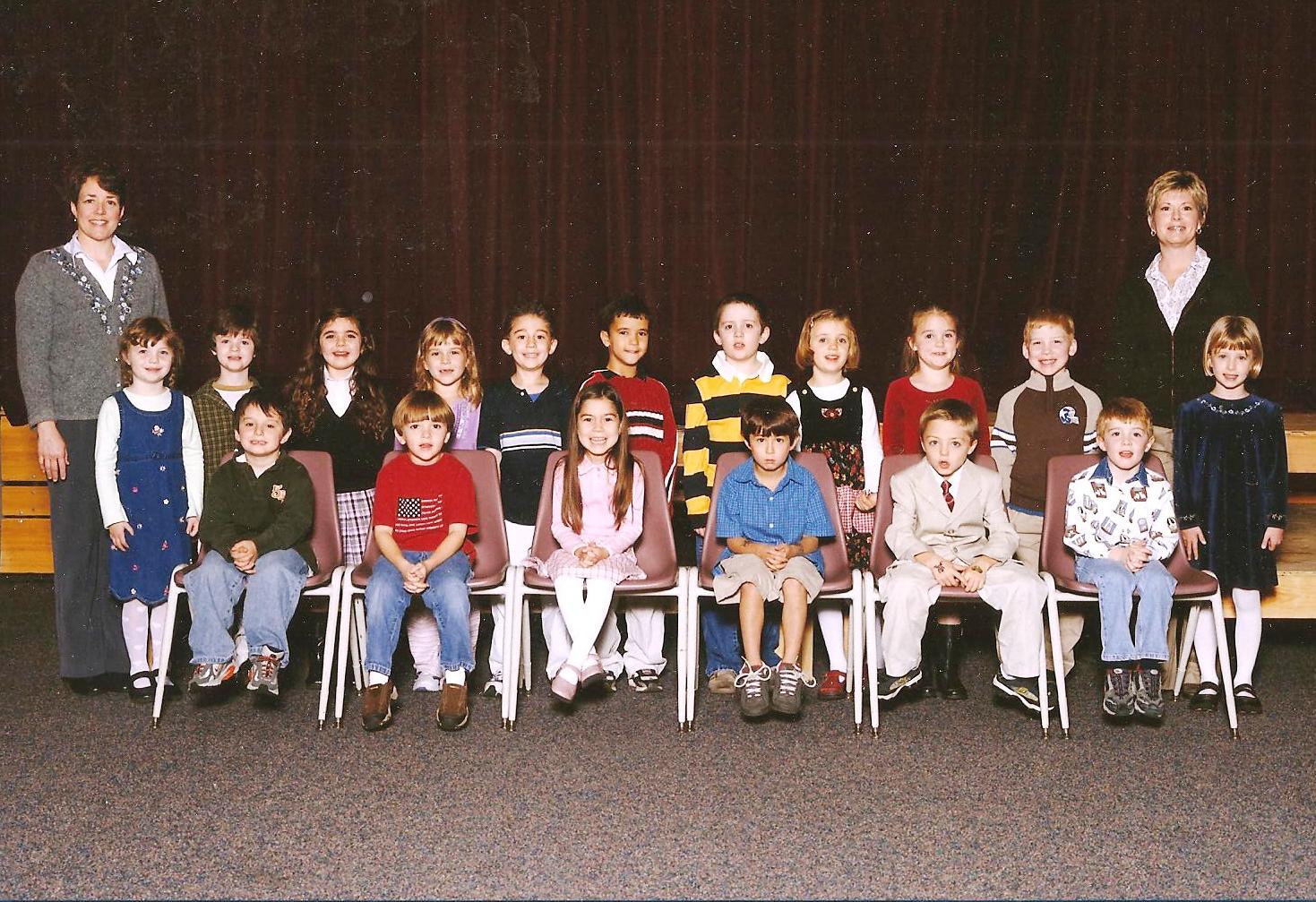
My last first grade class will graduate from eighth grade later this week. I have loved watching them grow into caring, capable young adults, but not as much as I loved spending one precious year with them.

Being their first grade teacher was a privilege I am thankful to have had. As they head off to high school, I hope they have the courage and opportunity to follow their dreams. I wish them love and joy and happiness in the years ahead.

Godspeed, my young friends.

last class

Thank you, as always, to StaceyTaraDanaBetsyAnna, and Beth for hosting Slice of Life each Tuesday. Be sure to visit Two Writing Teachers to read more Slice of Life posts.

A Saturday Celebration

celebrate-image

Thank you, Ruth, for providing this space and giving us the opportunity to pause and celebrate the joys from our week.

June can be a bittersweet time for teachers as we let go of children we have grown to love. This week, I want to celebrate one of these students.

I began working with this second grade girl at the end of November. She had struggled with reading in first grade, but by last September it was clear that she wasn’t making progress. Her parents consented to testing to see if she was eligible for special education, but these revealed that she had average skills and abilities, and therefore not eligible. But she was eligible for the Tier 3 reading support I provide.

When we began working together, she was reading at a level about a year behind where most second graders are in November. She came to our lessons eager to to her best, and began to make slow but steady progress.  

As I wrote earlier in the week, I usually have a short read-aloud time during my intervention lessons. About a month ago, I began reading Firefly July (Candlewick Press, 2014), Paul B. Janeczko’s wonderful collection of short poems, to this little girl. She was entranced by Melissa Sweet’s whimsical illustrations and several of the poems quickly became favorites. This line from Robert Wallace’s “In the Field Forever” even inspired her to write her own poem:

Sometimes the moon’s a scythe, sometimes a silver flower.

Here is her poem:

The Colors of the Moon

Sometimes the moon looks like a golden banana.

Sometimes it looks like a white hammock.

Sometimes it looks like a ripe orange.

Sometimes the moon looks like a cookie with a splash of milk.

Sometimes it looks like a red apple.

Isn’t that lovely?

All her hard work has paid off. She is leaving second grade only one level below our end-of-year expectation, and she is no longer mixing up lowercase “b” and “d”. But best of all, she is leaving second grade a poet and a much more confident and enthusiastic reader. Hooray for her!

Slice of Life: Read Alouds for Everyone

11454297503_e27946e4ff_h

Last night’s #readingjoy Twitter chat, led by Jennifer Seravallo, got me thinking about read alouds. Much has been written about the importance of parents reading aloud to children from the very start and making read alouds part of every classroom routine. I agree with every bit of this advice. I read to my own children from the day we came home from the hospital, and we never skipped read aloud time in my classroom. But I’ve also come to realize the importance of read alouds in my intervention lessons.

I left the classroom seven years ago to become our school’s literacy specialist. Because I work in a small district, this role includes many duties. One of these is working with tier 3 students. The children I work with are our youngest, most at-risk students who are typically non-readers when we begin working together. One of the biggest challenges they face is understanding why they should bother with reading at all. Usually this is because reading isn’t a priority at home. I meet with their parents to discuss the importance of reading to and with their children. I also give them pamphlets and links to websites with tips and information about how to make reading part of their routine at home. I send books home that children can keep. And yet, they still don’t read at home.

By the time these children arrive in my room, they’re convinced that I’m going to torture them. So I start by chatting with them about their pets, hobbies, and places they like to visit, just to break the ice. Once they are comfortable, I start asking about favorite books or subjects. Then I bring out my secret weapon. A book. I offer it as something I like, not as something I think they should like. Usually they ask for their own copy by the end of the week.

614a7cNL5EL

One of my first students was a first grade boy with a host of issues. (He was diagnosed with Autism during the time I worked with him.) He had no interest in anything other than Legos and hated school because he had to leave his Legos at home. He knew most of the letters and sounds, but didn’t know how to pull them apart or put them together to make words. For some reason, he took a shine to Emily Gravett’s Orange Pear Apple Bear (Simon & Schuster, 2007). I must have read that book to him a hundred times. Soon, he was reading it with me. And before long, he was reading lots of other books, too.

51wjVUX0s9L._SY300_

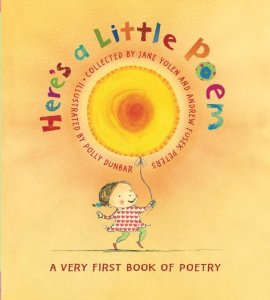
Another boy was adamant that he hated letters and wouldn’t learn to read. I told him that was his choice but that I was going to read to him. His “breakthrough book” was in fact a poem from Jane Yolen and Andrew Fusek Peter’s excellent collection Here’s a Little Poem: A First Book of Poetry (Candlewick, 2007). Peter’s own poem, “The No-No Bird,” introduced this child to a boy who liked the word “no” as much as he did. Maybe it was this flash of recognition that finally brought him around. Or maybe it was simply the fact that he could read the word “no.”

51R1jIhHu3L

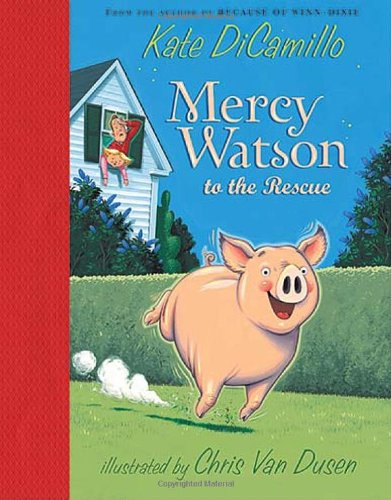
Last year I had a student who was so shy and quiet he barely spoke above a whisper. To break the ice, I began reading Kate DiCamillo’s Mercy Watson to the Rescue (Candlewick, 2005). He loved Mercy and her silly antics! Soon he was reading with me, asking questions, and thinking of further adventures for Mercy. Over the course of the year, we read every Mercy Watson book we could get our hands on. My heart was filled with joy at the look on his face when I presented him with his own copy of Mercy Watson at the end of the school year.

Do I know what it was about each of these books that made them the right books for these children? No. What I do know is that each child heard or saw something in them that made him happy. Something in these books helped him feel connected to another person and let him know he wasn’t alone. And that is, after all, why we read.

Thank you, as always, to StaceyTaraDanaBetsyAnna, and Beth for hosting Slice of Life each Tuesday. Be sure to visit Two Writing Teachers to read more Slice of Life posts.


It’s Monday! What Are You Reading? Bird Books

IMWAYR

One of the few memories I have of 2nd grade is learning about birds. My teacher, Mrs. Wheaton, must have been a bird-watcher, because she taught us about the song birds native to our area. I  don’t remember what specific facts about birds I learned from her, but I have clear memories of coloring pictures of the Baltimore oriole, red-wing blackbird, goldfinch, and more. The pages  had the purple ink and intoxicating smell of a mimeograph machine, and I loved them. At the end of the unit, all the pages were stapled together into a little book. 

9780763645618_p0_v1_s260x420I was reminded of this project recently when I read Look Up! Bird Watching in Your Own Backyard. (Candlewick Press, 2013) This book is filled to the brim with fascinating details about bird species, habitats, flight behavior, wing shape, beak shape, songs and more. Author and illustrator Annette LeBlanc Cate tells readers at the start that she is not a scientist; she just really loves birds. Her love shines through on every page of this fact-filled, engaging book.

One of my favorite things about Look Up! Bird Watching in Your Own, which won a Robert F. Sibert Honor, is that it encourages children to hone their powers of observation. Cate urges readers to go outside and “be amazed at just how thrilling it can be to see new birds, find out about them and learn their names.” Tips for successful birdwatching, as well as a bibliography for budding birders are included. Cate also recommends that readers visit the Cornell Lab of Ornithology’s website. This is an extensive resource, where you can search for information about almost any North American bird, hear its song and watch several species in the wild via their Bird Cam.

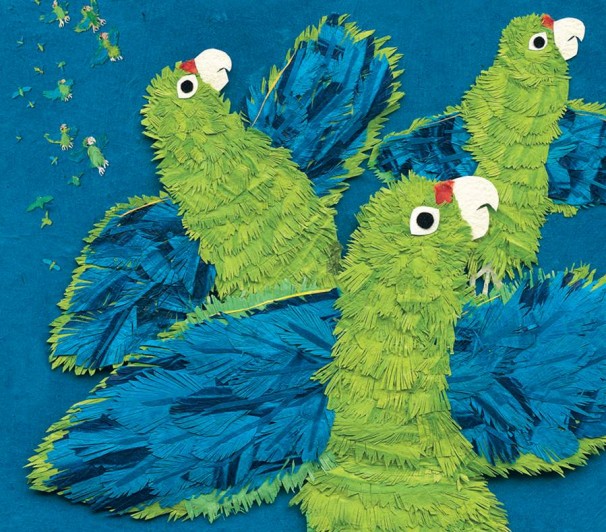
Parrots-over-Puerto-Rico1Parrots Over Puerto Rico (Lee & Low Books, 2013) by Susan L. Roth and Cindy Trumbore is a gorgeous book that tells the story of the Puerto Rican parrot. Called iguaca by the Tainos who arrived on the island over a thousand years ago, “hundreds of thousands of parrots flew over the island” before Puerto Rico was settled by humans. Roth and Trumbore’s description of this paradise is brought to life in Roth’s stunning collages. Using paper and fabric, she creates scenes that have such depth and texture you wouldn’t be surprised if the birds flew off the page.

By weaving the history of Puerto Rico together with the fate of these now extremely rare parrots,  Roth and Trumbore make it clear that humans have been the primary culprits in the birds decline. But they also devote almost half of the book to the efforts humans have taken since the late 1960s to save the Puerto Rican parrot. They describe the setbacks as well as the successes scientists have had as they fight to save the Puerto Rican parrot.

Winner of the 2014 Robert F. Siebert Medal for Most Distinguished Informational Book for Children, Parrots Over Puerto Rico has a lengthy afterword that describes the work of the Puerto Rican Parrot Recovery Program in greater detail and includes photographs of the birds in the aviaries and in the wild. There is also a timeline of events described in the book, as well as a list of sources.

mama-built-a-little-nest-9781442421165_lg

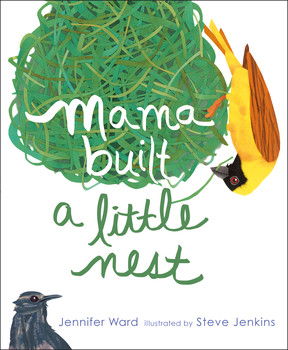
For younger bird lovers, Jennifer Ward has created the lovely Mama Build a Little Nest (Beach Lane Books, 2014). This rhyming book describes how many different species of birds build their nests. Some, like the hummingbird, are “wee and snug,” while others, such as the falcon, scrape “a simple nest/upon a craggy ledge.” Steve Jenkins’ beautiful collages are just right for Ward’s simple, straightforward text. Each page also includes an additional fact about the birds and their habits and a short author’s note provides additional information about nest construction and a list of websites to explore.

If you or your students weren’t bird watchers before, you definitely will be after reading these books. Mrs. Wheaton would have loved them!

Don’t forget to visit Jen at Teach Mentor Texts and Kellee at Unleashing Readers to find out what other people have been reading lately. Thanks, Jen and Kellee, for hosting!