National Poetry Months: Writing Wild, Day 13

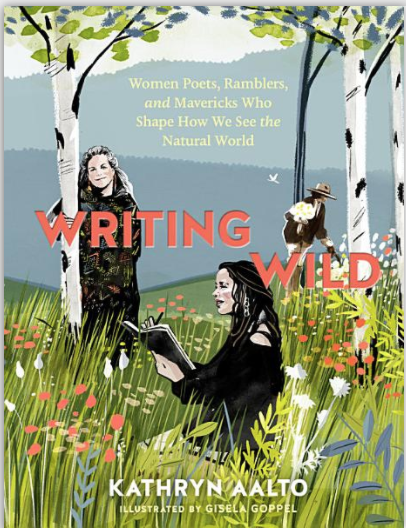
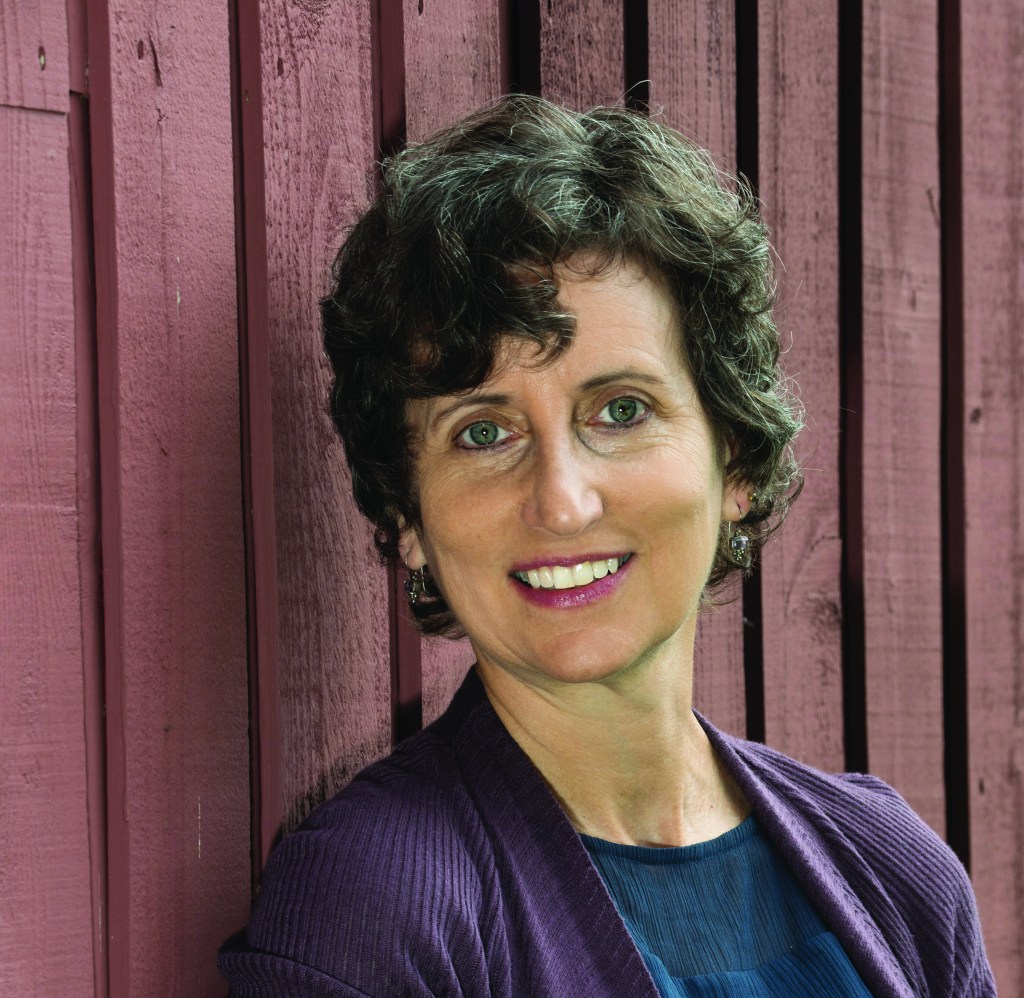
Unlike many of the authors profiled in Writing Wild, Diane Ackerman is very familiar to me. I have loved her writing since I first found A Natural History of the Senses in a bookstore thirty years ago. Kathryn Aalto calls Ackerman “nature writing’s Aphrodite: a historian and poet whose eloquent and iridescent words render complex subjects understandable and approachable.” (p. 133) Exactly.

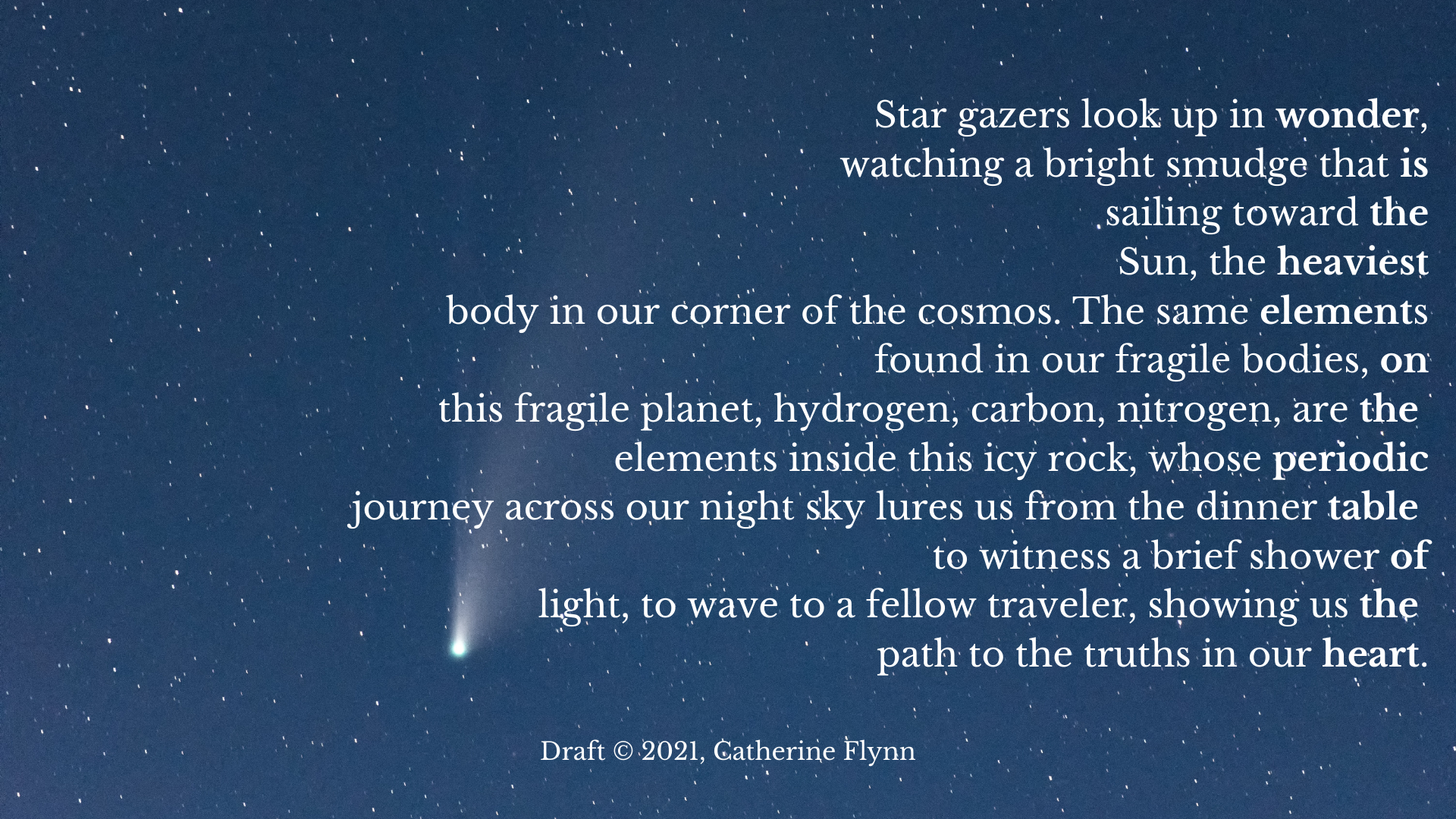
Today’s poem is another Golden Shovel. Ackerman’s work is so quotable, it seemed like a natural fit. Ackerman’s first book was The Planets: A Cosmic Pastoral. As some of you know, the mysteries of space are a passion of mine, so deciding on a cosmic theme for today’s poem also seemed natural.

“Wonder is the heaviest element on the periodic table of the heart.”

Diane Ackerman, reading at The Universe in Verse, 2018
Photo by Jerry Zhang on Unsplash

Previous Writing Wild posts:

Day 1: Dorothy Wordsworth
Day 2: Susan Fenimore Cooper
Day 3: Gene Stratton-Porter
Day 4: Mary Austin
Day 5: Vita Sackville-West
Day 6: Nan Shepherd
Day 7: Rachel Carson
Day 8: Mary Oliver
Day 9: Carolyn Merchant
Day 10: Annie Dillard
Day 11: Gretel Ehrlich
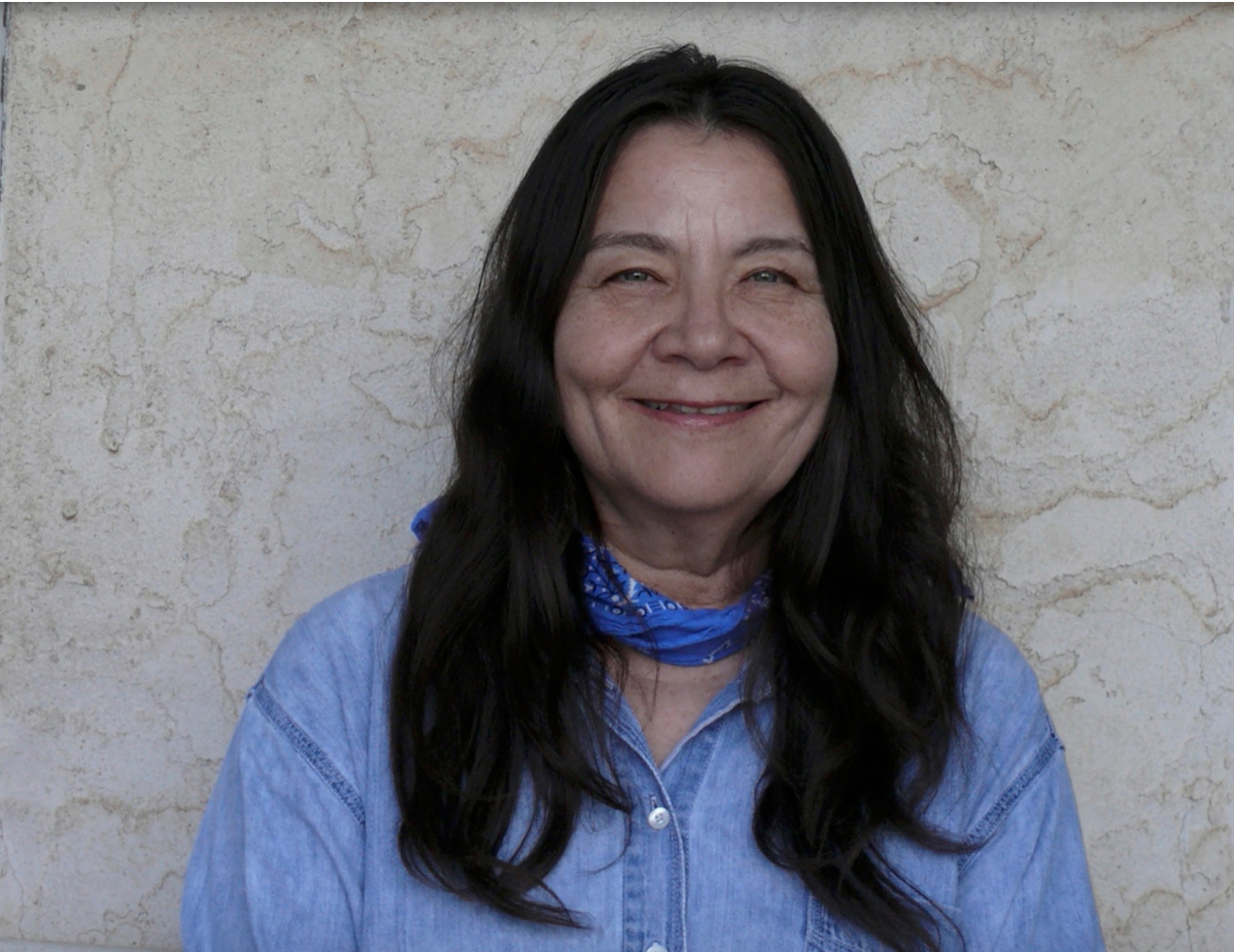
Day 12: Leslie Marmon Silko

National Poetry Month: Writing Wild, Day 12

Many years ago, I read Ceremony in a Contemporary American Literature course. My memories of this book are confused and fragmented. After reading Kathryn Aalto’s profile of Leslie Marmon Silko, “the world’s first female Native American novelist” (p. 126), I’m ready to give Ceremony a second chance.

Silko’s work weaves together the myths and traditions of her Laguna Pueblo heritage. The main themes of her work emphasize the importance of traditional storytelling and the profound connection between people and the natural world. Pulitzer Prize winning author N. Scott Momady, whose book House Made of Dawn influenced Silko, says the her work also has “a sharp sense of how the profound and the mundane often run together.

Today’s poem is a found poem from Silko’s essay, “Yellow Woman and a Beauty of the Spirit: Essays on Native American Life Today.” I tried to include the main themes of Ceremony and Silko’s other work and have rearranged the order of lines for sense.

We all originate from the depths of the earth,
earth, the Mother Creator,
from the Emergence Place–
a small natural spring
edged with mossy sandstone
full of cattails and wild watercress.

We are all from the same source.

Earth and Sky were sisters.
Rain clouds
brought life to all things on earth:
frogs and toads,
the beloved children of the rain clouds.
They imagined the earth and the oceans
the animals and the people
the rocks and the clay.
All have spirit and being.

Many worlds coexist here.
So little lies between you and the sky.
So little lies between you and the earth.
Spirits range without boundaries of any sort.

Everything becomes a story:
The web of memories,
esteemed ancestors bring the precious 
gift of their stories.
Stories that teach us how we were,
how we interact with other people,
how we behave toward 
the animals and the earth,
in harmony with other living beings,
in harmony with the world around us.

Remember the stories.
The stories will help you be strong.

Previous Writing Wild posts:

Day 1: Dorothy Wordsworth
Day 2: Susan Fenimore Cooper
Day 3: Gene Stratton-Porter
Day 4: Mary Austin
Day 5: Vita Sackville-West
Day 6: Nan Shepherd
Day 7: Rachel Carson
Day 8: Mary Oliver
Day 9: Carolyn Merchant
Day 10: Annie Dillard
Day 11: Gretel Ehrlich

National Poetry Month: Writing Wild, Day 8

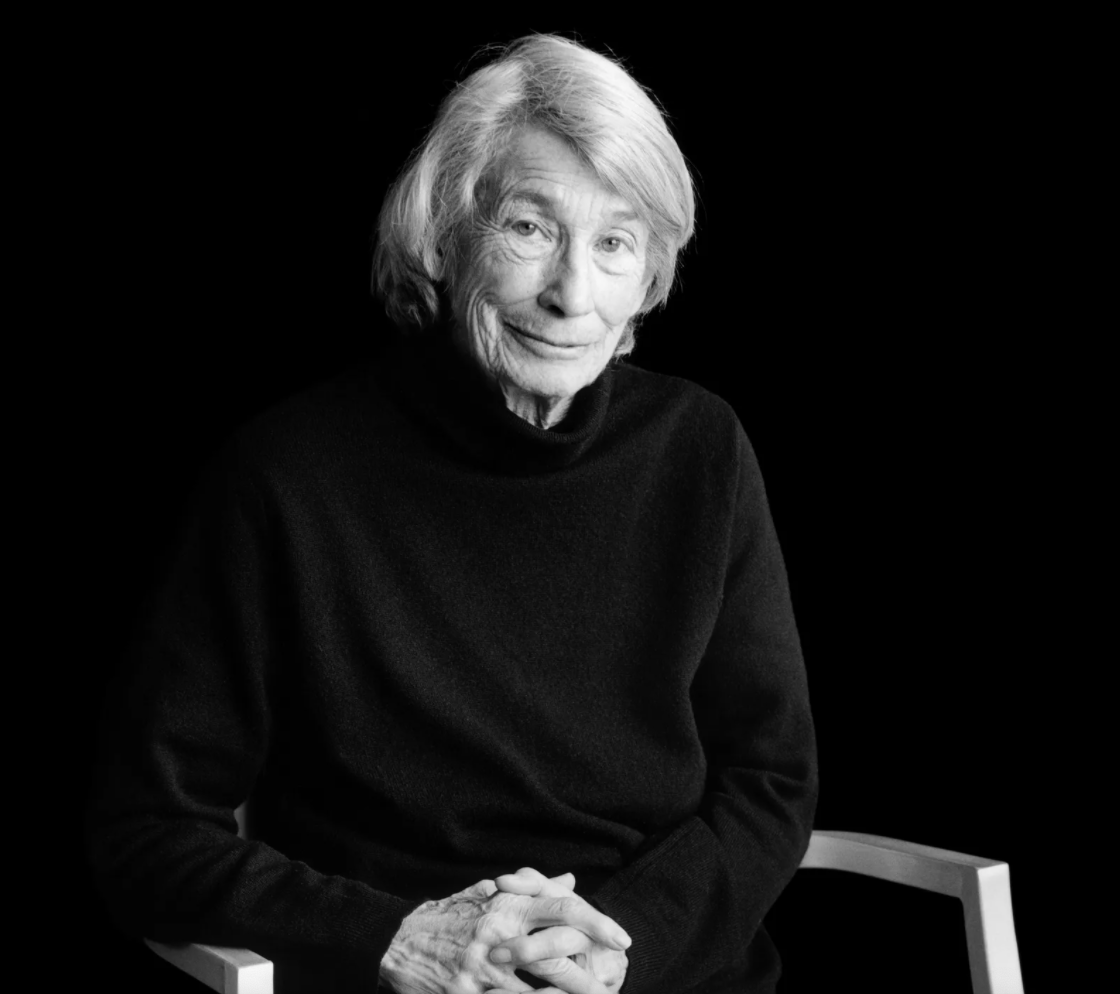
If you have been following these Writing Wild posts, you may have noticed the profiled authors are in roughly chronological order. As we approach the present, there are more writers I am familiar with, even a fan of. That is true today. Award-winning poet Mary Oliver, who died in 2019, is well known and widely loved. Ruth Franklin, writing in The New Yorker, states that Oliver “tends to use nature as a springboard to the sacred.” Kathryn Aalto explains that “a fusion of mystery,prayer, and presence is at the heart of all Oliver’s poetry and prose.” (Writing Wild, p. 92)

Attempting to write a poem after Mary Oliver seems like a fool’s errand. And yet I am compelled to follow her “Instructions for living a life: Pay attention. Be astonished. Tell about it.” I have been following these directions for over sixty years, long before I’d heard of Mary Oliver. But the poetry of those steps has always been in my bones.

I decided the best approach to today’s challenge would be to use one of Oliver’s poems as a mentor text, copy it “word for word, then replace [that poet’s] language with your own.” (I posed this challenge for my critique group back in February.

Deciding on a subject wasn’t difficult. Also on my blog today is a celebration of Leslie Bulion & Robert Meganck’s wonderful new book, Spi-Ku: A Clutter of Short Verse on Eight Legs. I have always loved the beauty and grace of spiders. A spider I observed in my garden one morning became the topic of this poem. I couldn’t find and poems by Mary Oliver about spiders (I looked quickly; there must be one or two). The mentor poem I chose is “The Instant” (found on p. 51 of Devotions: The Selected Poems of Mary Oliver). Oliver’s words from the original poem are italicized.

The Instant
after Mary Oliver

Today,
a small spider,
pearly and round
scrambled through
the high grass, it

seemed desperate to
get away from
my invading hands
but couldn’t move 

fast enough. Was she
swollen with eggs,
impelled by instinct
to protect them?

My heart ached for her,
remembered a feverish boy,
clutched by a silent enemy
one long ago night, and with no sound at all
I was gone.

Draft, ©2021, Catherine Flynn

Previous Writing Wild posts:

Day 1: Dorothy Wordsworth
Day 2: Susan Fenimore Cooper
Day 3: Gene Stratton-Porter
Day 4: Mary Austin
Day 5: Vita Sackville-West
Day 6: Nan Shepherd
Day 7: Rachel Carson

Welcome, Spi-Ku!

“Anything under the sun is beautiful if you have the vision–
it is the seeing of the thing that makes it so.”

~ Nathaniel Hawthorne ~

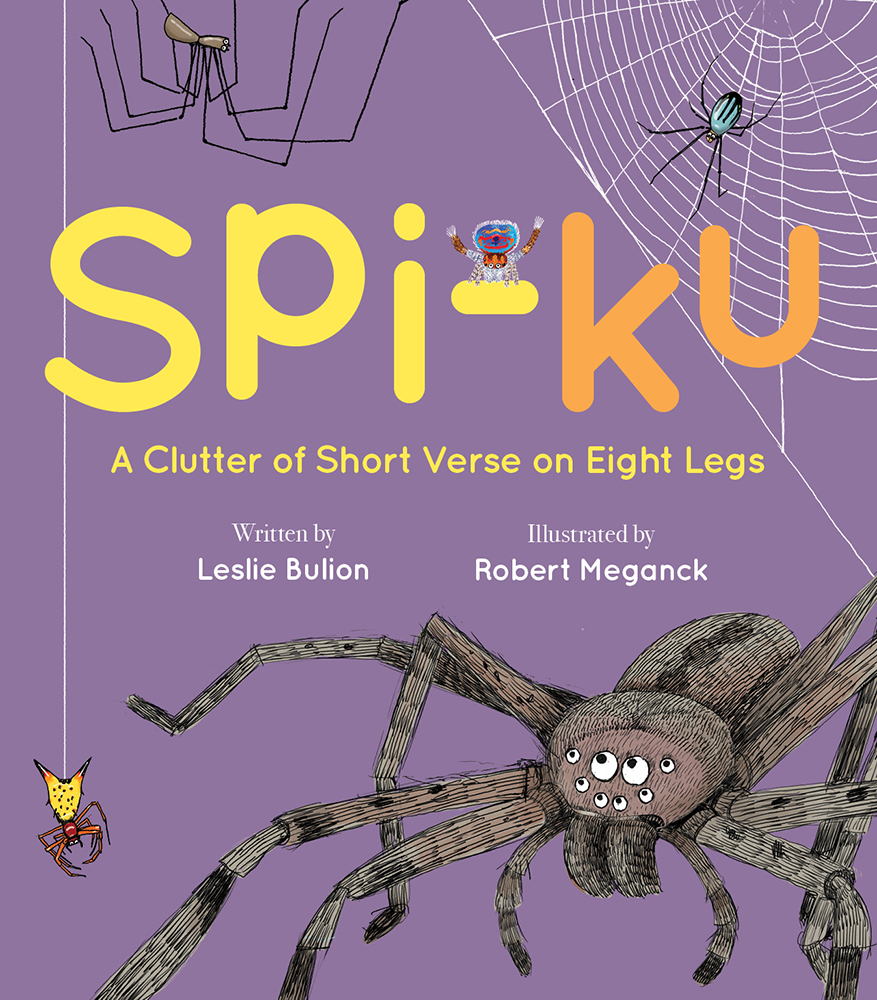
As I was getting ready to host day four of the blog tour celebrating Spi-Ku: A Clutter of Short Verse on Eight Legs, Leslie Bulion and Robert Meganck’s terrific new book published by Peachtree last month, I conducted an informal survey of my students regarding spiders. I found very few fans. Most didn’t like them because they were afraid of being bitten or thought that spiders are poisonous. Well, an hour or so with Spi-Ku will set the record straight.

This book is bursting with facts and figures about these amazing arachnids. Did you know, for example, that there are more than forty-eight thousand species of spiders in the world?! Or that “spiders have crawled the Earth for more than 400 million years?” Neither did I! The best nonfiction not only teaches new information, it clarifies misunderstandings as well. Virtually every child I shared this book with thought that a daddy longlegs was a spider, but Leslie clears up that confusion right away.

Leslie is a master of playful, informative science poetry for kids. Her previous work includes Superlative Birds, Leaf Litter Critters, and Amphibian Acrobats, among others. Using both poetry and informational text, Leslie closely examines these misunderstood creatures. She creatively weaves together cool details with playful, poetic language. The results are lines like “sun-shimmer silk” and  “…its own family recipe/to make a fly smoothie.” She addresses all aspects of arachnid life, including:

  • Types of spiders and different hunting techniques
  • How spiders move
  • How they eat
  • Types of webs
  • Types of camouflage
  • Spider senses
  • Courtship rituals
  • Egg laying and care of young

These poems can be enjoyed on their own, but the nonfiction notes and back matter, including suggestions for further reading, deepen readers’ understanding of spiders. Leslie has also created a Teacher’s Guide with additional tips and activities. Spi-Ku will spark new questions and send kids off to learn more. One student wanted to know more about how hummingbirds use spider silk in their nests. Another was fascinated by the way pirate spiders lured and trapped other spiders in their own webs!

Robert Meganck’s illustrations let readers get up close and personal with these curious creatures. The whimsical illustrations show spiders on the move, capturing prey, and hanging out in webs, Another feature that will rivet kids’ attention are the pages which show the relative sizes of the spiders described in Leslie’s poems.

Nature lovers of all ages will devour this book. After spending time with Spi-Ku, all readers will learn to appreciate, if not love, our eight-legged friends.

Please visit the other stops on Spi-Ku’s blog tour:

                Monday (4/5): Picture Books 4 Learning
Tuesday (4/6): Storymamas
Wednesday (4/7): The Miss Rumphius Effect
Friday (4/9): TeacherDance

You can also visit Leslie, Robert, and Peachtree Publishers on social media:

Leslie Bulion social handles:

Facebook: @leslie.bulion
Twitter: @LeslieBulion
Instagram: @lesliebulion

Robert Meganck social handles:

Facebook: @rmeganck
Twitter: @r2meganck
Instagram: @r2meganck

Peachtree social handles:

Facebook: @PeachtreePub
Twitter: @PeachtreePub
Instagram: @peachtreepublishing


Poetry Friday: Murmurations

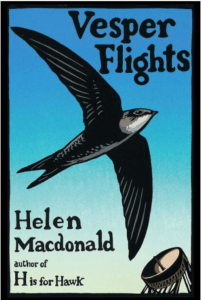
Last spring, I decided to finish reading a couple of books that I’d abandoned for one reason or another. One of these, H is for Hawk, by Helen Macdonald, was a book that I felt I should love but just couldn’t. Macdonald’s writing is poetic and full of reverence for nature, and I appreciated the beauty of her writing. But the story was full of pain, so maybe it wasn’t the best choice for the dark days of April.

Then, in July, an essay from Macdonald’s new book, Vesper Flights, appeared in The New York Times Magazine. Here, the kindred spirit I’d glimpsed in H is for Hawk was in full view. Like the swifts she’s describing, this piece was “magical in the manner of all things that exist just a little beyond understanding.” I pre-ordered the book immediately.

I have been savoring these short essays one at a time, every couple of days. They are every bit as magical as the essay that was in the paper. Even the titles are lyrical, so I decided to create a poem from them. I know found poems are supposed to be kept in order, but these are not. I have added a few articles and prepositions to the beginning of some lines for clarity.

The numinous ordinary
murmurations
of sunbirds and cashmere spheres
rescue
the vesper flights
of the human flock.

Thinking about “Murmurations” made me realize I couldn’t remember the last time I saw one. Then, on the way to work on Tuesday morning, a flock of starlings flew across the sky, begging me to write them a poem. How could I refuse?

A ribbon of starlings
unspools from a giant oak,
trimming the sky .

Draft, © Catherine Flynn, 2020

Please be sure to visit Jone Rush MacCulloch at her beautiful new website for the Poetry Friday Roundup!

#PB10for10: Picture Books and Environmental Awareness

“To describe the world more fully is to change it.
To let the world go undescribed is, in some way, not to know it, at one’s peril.”
~ Elif Batuman ~

I know. It’s August 12th. The tardiness of this post is due entirely to Tropical Storm Isaias and the havoc it wrecked on the power grid here in western Connecticut. Thank you for your patience, and thank you, as always, to Cathy Mere and Mandy Robek for creating and curating this celebration of picture books. Please be sure to visit Mandy’s blog, Enjoy and Embrace Learning to read all the lists contributed to this labor of love. It is teachers like them, and others in this community, who will keep the gift of stories alive for years to come.

Like many of you, I have watched the events of the past several months in shock. There are days when I can’t bear to listen to the news, afraid of whatever fresh horror has unfolded overnight. There are other days when I read voraciously, looking for answers, solutions, actions I can take that will make a difference. But honestly, most days I feel quite helpless. 

But deep in my heart I know the best action I can take is to educate my students. There have been so many important #BLM lists shared already this summer about picture books, chapter books, YA books and more, I knew I couldn’t add to or improve any of those. So I decided to take a different approach. One aspect of our current crisis is the environment. There are researchers who believe one reason the novel coronavirus made the leap from animals to humans is because of habitat loss. There have also been numerous reports about how environmental disasters disproportionately affect BIPOC communities.

In her book How to Do Nothing: Resisting the Attention Economy, Jenny Odell states that “Simple awareness is the seed of responsibility.” Caring begins with attention. People don’t, indeed can’t, care about something they have no knowledge of. So I decided to build my list around the environment, because, ultimately, the fate of Black lives, Latinx lives, Indiginous lives, all lives, are inextricably intertwined with the fate of our planet. 

Because of Covid, I experienced most of these books online, through read-alouds graciously permitted by publishers this spring. I look forward to soon being able to hold these books in my hands and share the beauty of these “descriptions of the world” with my students. 

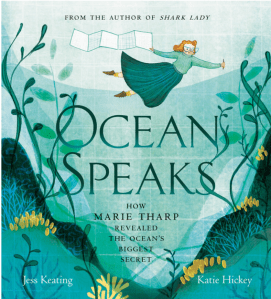
Ocean Speaks: How Marie Tharp Revealed the Ocean’s Biggest Secret, written by Jess Keating, illustrated by Katie Hickey (Tundra Books, 2020)
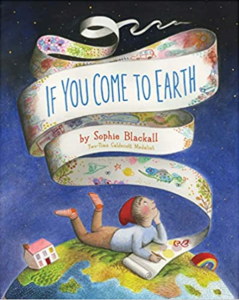
                

If You Come to Earth, written and illustrated by Sophie Blackall (Chronicle Books, Sept. 15, 2020)

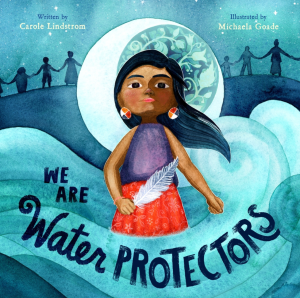
We Are Water Protectors, written by Carole Lindstrom, illustrated by Michaela Goade (Macmillin Publishers, 2020)
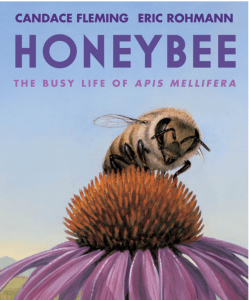
            

Honeybee: The Busy Life of Apis Mellifera, by Candace Fleming, illustrated by Eric Rohmann (Neal Porter Books, 2020)

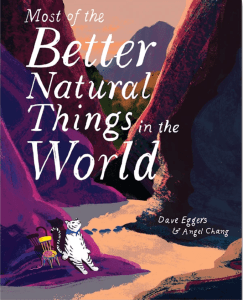
Most of the Better Natural Things in the World, by Dave Eggers, illustrated by Angel Chang (Chronicle Books, 2019)
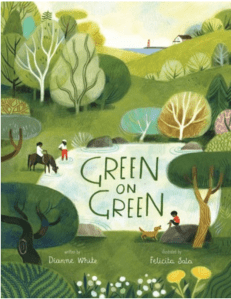
          

Green on Green, written by Dianne White, illustrated by Felicita Sala (Beach Lane Books, 2020)

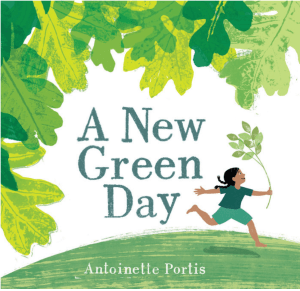
A New Green Day, written and illustrated by Antoinette Portis (Neal Porter Books, 2020)
        

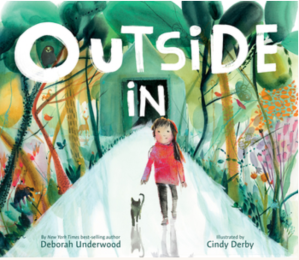
Outside In, by Deborah Underwood, illustrated by Cindy Derby (HMH Books for Young Readers, 2020)

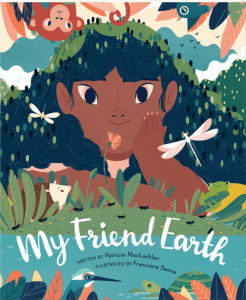
My Friend Earth, by Patricia MacLachlan, illustrated by Francesca Sanna (Chronicle Books, 2020)
           

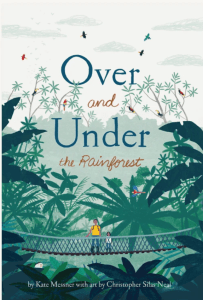
Over and Under the Rainforest, by Kate Messner, illustrated by Christopher Silas Neal (Chronicle Books, 2020)

My previous #PB 10 for 10 posts:

2019: Follow Your Heart

2018: Creative Imaginations

2017: Celebrating Nature

2016: Feeding Our Imaginations

2015: Poetry Picture Books

2014: Friendship Favorites

2013: Jane Yolen Picture Books

2012: Wordless Picture Books


Poetry Friday: “Worth” by Marilyn Nelson

It no longer seems appropriate to say, “What a week!” It seems that every single day brings some new mind-boggling occurrence. This week, at least, the bad news has been balanced by two momentous Supreme Court decisions. Still, my heart hurts for our entire country. Recently, The New York Times acknowledged the power of poetry to bring us “solace, strength, and power” by asking many prominent poets, including Kwame Alexander, Joy Harjo, and Arthur Sze, what poets and poetry they have turned to during these tumultuous days. I read many of the poems recommended, thinking I would find some to share with the my middle school students. As I read, a link to Marilyn Nelson’s poetry came up. Marilyn Nelson, former Poet Laureate of Connecticut, is the author of many powerful books of poetry for young people and has long been a favorite of mine. This poem is from Miss Crandall’s School for Young Ladies & Little Misses of Color (WordSong, 2007), which she co-authored with Elizabeth Alexander.

Canterbury, CT 1833-1834

“Worth”

for Ruben Ahoueya

Today in America people were bought and sold:
five hundred for a “likely Negro wench.”
If someone at auction is worth her weight in gold,
how much would she be worth by pound? By ounce?
If I owned an unimaginable quantity of wealth,
could I buy an iota of myself?
How would I know which part belonged to me?

Read the rest of the poem here.

Amira Abdel-Aal and Shawna Coppola led a session on The Ed Collaborative this spring about ways to maximize student engagement with their writing. One of their suggestions was to share “provocations,” rather than prompts. They suggested that provocations are intended to “provoke thoughts, discussions,and questions.” This poem will do all of that and more.

Please be sure to visit Tricia at The Miss Rumphius Effect for the Poetry Friday Roundup.

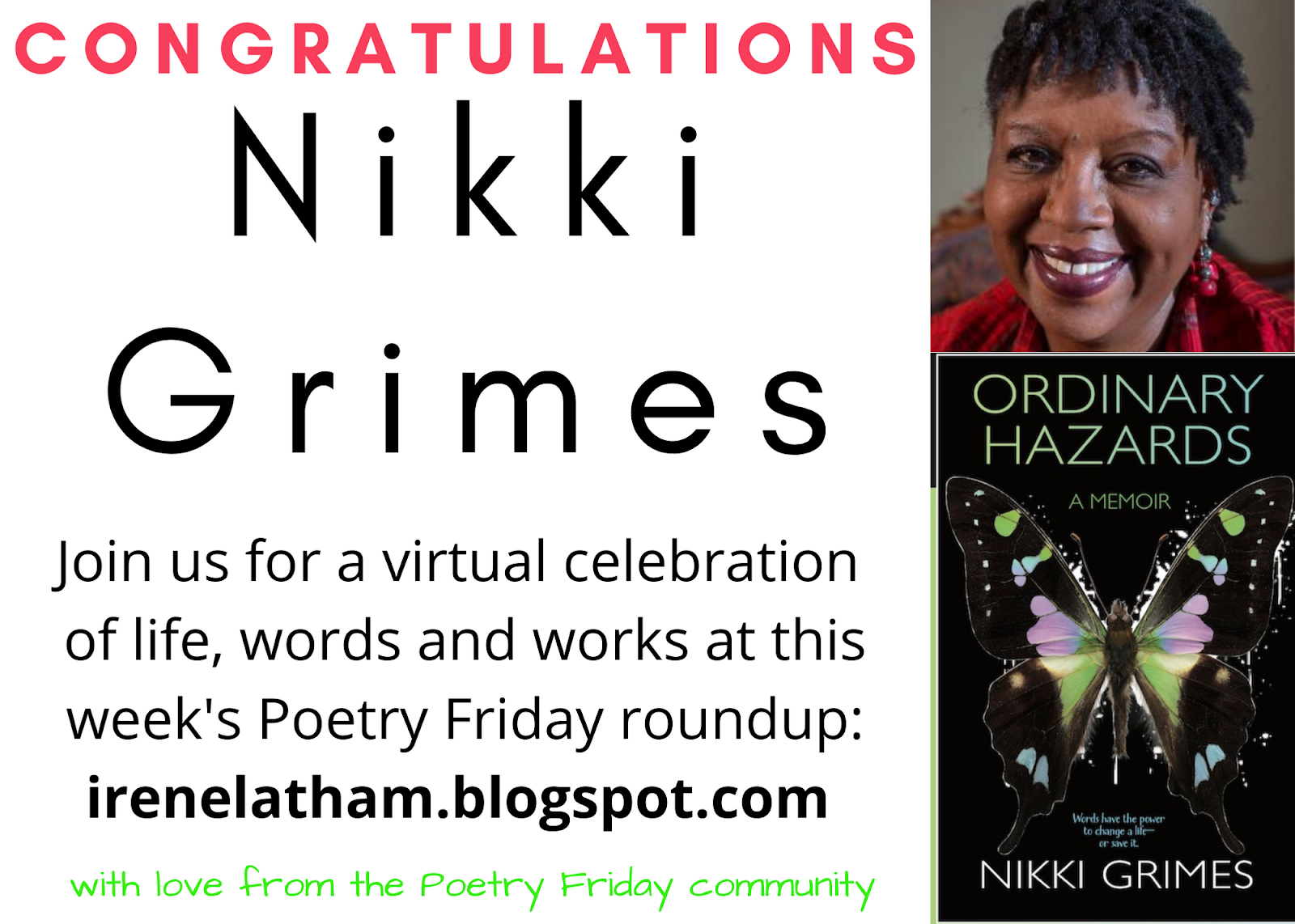
Poetry Friday: Finding Light with Nikki Grimes

At NCTE last November, I had the pleasure of sitting with Nikki Grimes at her table at the Children’s Book Award Luncheon. Everyone at the table received a copy of her extraordinary verse memoir, Ordinary Hazards (WordSong, 2019). I have long been a fan of Nikki’s poetry, but reading the story of her childhood and teen years left me with a deeper admiration for Nikki.

Recently, Irene Latham announced that she wanted to celebrate Nikki Grimes when she hosted Poetry Friday today. Irene said,

Nikki has won all kinds of awards lately, and due to covid, there haven’t been in-person events, so this gives us all an opportunity to say:

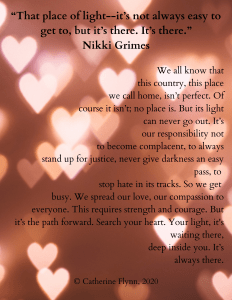
I knew immediately that I wanted to write a Golden Shovel to honor Nikki. This is a form Nikki made popular through her stunning book, One Last Word, using the words and “wisdom from the Harlem Renaissance” for her strike lines. Nikki’s poetry abounds with gorgeous language and words of wisdom, but I thought these lines, from the end of Ordinary Hazards, would speak to us all during our troubled times.

Thank you, Nikki Grimes, for sharing your light with us. And thank you, Irene, for hosting today’s celebration of this amazing woman.

Poetry Friday: “How to walk around the block” by Michael Salinger

When school closed in March, there were no answers to a million questions. We had no idea how long school would be closed. No idea if distance learning was possible. And if it was, who knew what it would look like. There was one thing I did know: I needed my most trusted books and resources with me at home. One of the first books I put pulled off my shelf was Poems Are Teachers: How Studying Poetry Strengthens Writing in All Genresby Amy Ludwig VanDerwater. I know most people in the Poetry Friday community are familiar with this book (and many have their own poems published in its pages), but if you don’t know this book, do yourself a favor and order it today.

Just as I suspected, I have turned to Amy’s gentle wisdom about writing many times over the past ten weeks. Recently, as the weather has turned from a cold, dreary spring into glorious summer-like days, cabin fever has started to set in. I could sense a restlessness in my students (and in myself, for that matter). They needed an adventure.

Amy’s book is full of poems to inspire and strengthen student writing. In it, I found the perfect poem to launch my would-be travelers on an exploration of their neighborhood in Michael Salinger‘s poem, “How to walk around the block.” Michael’s poem invites readers to see their neighborhood, and themselves, with fresh eyes. My student’s couldn’t wait to go for a walk around their block to find what awaited them out there.

“How to walk around the block”
by Michael Salinger

Wear shoes.
If they have laces, make sure they are tied.
Pick a direction and go.
Double foot hop
over sidewalk cracks,
then stop and pick up a rock.
No snooping in your neighbor’s mailbox
(You’ll get in trouble if you get caught.)
Woof bark woof bark woof bark woof;
ask before you pet that dog.
That stick could use a new location.
Remember,
where you started is your destination.
‘Cause ’round the block
is a circle
(even if it’s really a square).
Arriving back at your front door,
you’ll be a different person
when you get home.

© 2018, shared with permission of the author

Many of you have also been writing #PoemsofPresence this month. Using Michael’s poem to encourage my students to find their own #PoemsofPresence fills me with hope as we head into a summer filled with unknowns. I hope we all can see the coming months as a time of discovery. Discoveries about our block, our neighbors, and most importantly, ourselves.

Thank you to Michael Salinger for allowing me to share his poem, and thank you to Amy Ludwig VanDerwater for her wonderful book. Please be sure to visit Mary Lee Hahn at A Reading Year for the Poetry Friday Roundup.

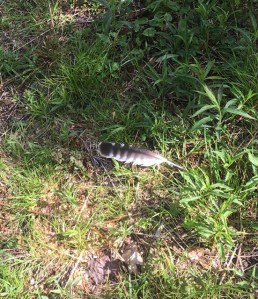
One of my recent discoveries on my block.
a hawk feather on the path
reminds me
I’m not the only one
who calls this place home.

News From the Natural World: Specimen

Today’s poem was inspired by Lab Girl, by Hope Jahren, The Overstory, by Richard Powers, and The Hidden Life of Trees, by Peter Wohlleben.

“Specimen” (with a nod to Walt Whitman)

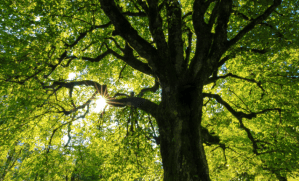
On a summer day, sit against a tree
in the shade of its vibrant green umbrella.

Settle into the peace of the day.
A slight breeze ruffles the leaves.

And then everything seems still.
But appearances are deceiving.

Beneath the scaly bark,
Water is being drawn up, up, up.

In the leaves above, sunlight stirs cells,
creating a coursing stream of sugar.

This fresh new food is pumping
through every part of the silent giant.

Grass tickles the back of bare legs.
Listen for the hum of life.

A whole hidden world
lies just beneath the soil.

Roots and mycorrhizal networks
branch off in every direction.

Sharing food, sending messages,
Communicating, cooperating.

Quietly going about the business
Of making life on earth possible.

Catherine Flynn, Draft @ 2020

Photo by Jan Huber on Unsplash