I'm a literacy specialist at a K-8 school in Northwestern CT. My job is two-fold: I work with at-risk first grade readers, supporting them as they learn to read, and I work with classroom teachers, helping them improve and refind their literacy instruction.
Last weekend, my friend and critique group partner, Margaret Simon, asked on Twitter: “Who’s interested in writing #poemsofpresence? … We can create a calm May 2021 to end the weirdest school year ever.”
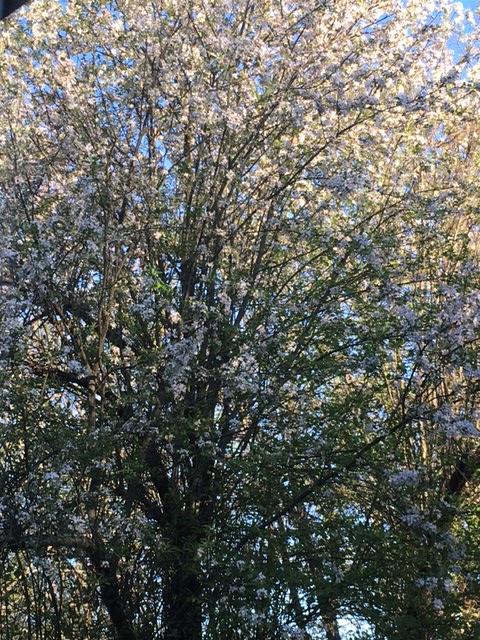
It definitely has been the weirdest school year ever. And calm is always welcome. So I have been reminding myself to be present this week to what Kathryn Aalto calls “nature’s palliative powers.” (Writing Wild, p. 237) Here are two poems of presence, inspired by the busy-ness of the apple tree in my front yard.
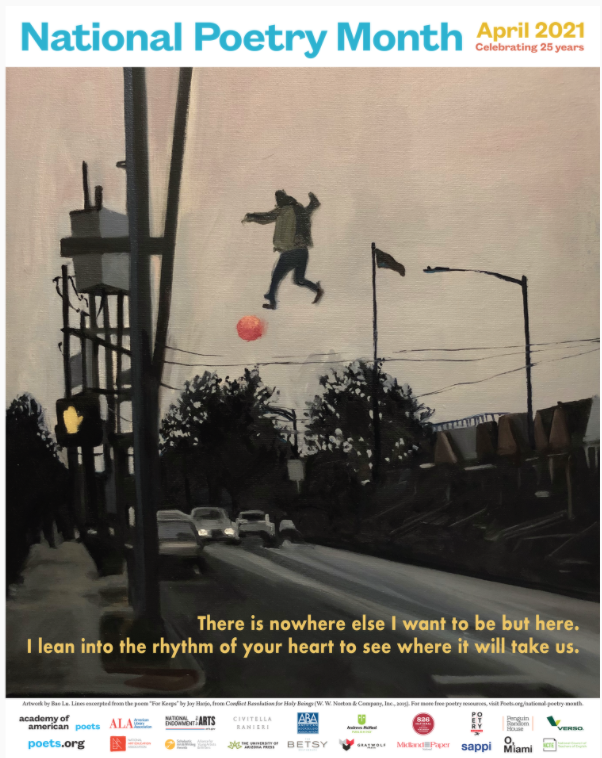
“Poetry gives us a place to make beautiful sense of life.” ~ Joy Harjo ~
Welcome to the final Poetry Friday of National Poetry Month! Please be sure to visit Matt Forrest Esenwine at Radio, Rhythm, and Rhyme for the Poetry Friday Roundup. I can’t quite believe that April is over. One of the reasons I began this project was to find a way back into a daily writing habit. Although I didn’t post every day (“Because,” as my friend Heidi would say, “you know, life.“), I did write a poem in response to the work of all twenty-five writers profiled by Kathryn Aalto in Writing Wild. But somewhere along the way, this project morphed into something so much more. All of the women I met in this book are truly remarkable. Some have conquered overwhelming obstacles, including ne’er-do-well husbands, physical abuse and alcoholism. After spending a day or so with each of them, I found myself thinking, “She is my favorite.” Of course, I could never choose one over another. I am truly in awe of each and every one. Somewhere along the way, I read that Diane Ackerman calls herself a “poetic science storyteller.” I immediately thought, “that’s what I want to be when I grow up!” This work has changed me and inspired me in countless ways. I know it will be influencing my writing and my life for years to come.
For this final day, I decided to create a cento, drawing on all the poems I drafted this month. Italicized lines are directly from the work of other writers. Their names are listed in order at the bottom of the poem.
“A Complicated Beauty”
Things are at a tipping point. Earth, mother to all, weaves a web of memories. Know and say their names. Flood the world with empathy.
A bee buzzes hopefully around eager bursts of green, evidence of the wild wonder of the world.
In the day’s waning light, the world can shimmer. Winged creatures of the night with their own ways of being, chime a silent celebration.
Star gazers look up in wonder, notice the ghost moon in the wide, pale sky.
Borders evaporate.
As daily life accepts the night’s arrest, a small spider, pearly and round with delicate legwork, plays the music of Nature.
Winding skyward along an ancient path heat, radiating, heart to heart resilience can emerge.
Alchemy powers earth’s enduring nature, promises for tomorrow. In twilight’s glimmer-glow, forge a new kinship with Earth. The most important magic lies within you.
Welcome to day 28 of the 2021 Progressive Poem! Irene Latham created this amazing community poem project several years ago, then passed coordinating duties to Margaret Simon. This year, Kat Appel started us off on an adventure filled with fun and friendship. Our explorers have played at the playground, hiked through a forest, looked for shapes in the sky, and more. But, alas, all adventures come to an end. With just three more days until April 30th, our poem is wrapping up. Fortunately, Rebecca Newman set up the final stanza with two terrific lines to choose from:
With windows to see other lives, other places
OR
Now add in your story and I’ll share mine, tooI
Here is the entire poem so far with my choice of Rebecca’s lines added at the end.
I’m a case of kindness – come and catch me if you can! Easily contagious – sharing smiles is my plan. I’ll spread my joy both far and wide As a force of nature, I’ll be undenied.
Words like, “how can I help?” will bloom in the street. A new girl alone on the playground – let’s meet, let’s meet! We can jump-skip together in a double-dutch round. Over, under, jump and wonder, touch the ground.
Friends can be found when you open a door. Side by side, let’s walk through, there’s a world to explore. We’ll hike through a forest of towering trees. Find a stream we can follow while we bask in the breeze.
Pull off our shoes and socks, dip our toes in the icy spring water When you’re with friends, there’s no have to or oughter. What could we make with leaves and litter Let’s find pine needles, turn into vine knitters.
We’ll lie on our backs and find shapes in the sky. We giggle together: See the bird! Now we fly! Inspired by nature, our imaginations soar. Follow that humpback! Here, take an oar.
Ahh! Here comes a wave – let’s hold on tight, splashing and laughing, let’s play until night! When the Milky Way sparkles, and the moon’s overhead, we make a pretend campfire and tell stories we’ve read.
Some stories are true and some myths of our time. I love all of them, but my favorite ones rhyme! With windows to see other lives, other places
For a line so near the end of this sparkling poem, I wanted to echo the idea of “spreading joy far and wide.” I hope either of the lines I’m offering to Christie Wyman at Wondering and Wandering will help her continue to spread the cheer.
We’ll find and treasure a rainbow of faces
OR
We’ll listen to voices each culture embraces
Be sure to visit Christie tomorrow to see which line she picks and where she takes us from there.
I didn’t have time to read all of the books written by the women who have inspired me to write 26 poems in 27 days. But I did spend many hours listening to radio interviews, podcasts, and taped events. Not only did this allow me to become familiar with their work, it gave me a sense of their voice. I could listen to Elizabeth Rush’s voice all day. She brings a level of intelligence and compassion to her writing that is breathtaking. During an interview, she told Aalto that “writing and reporting about people–especially vulnerable ones–is an act of empathy.” (p. 244) I adapted this line to come up with the strike line for today’s poem, another Golden Shovel.
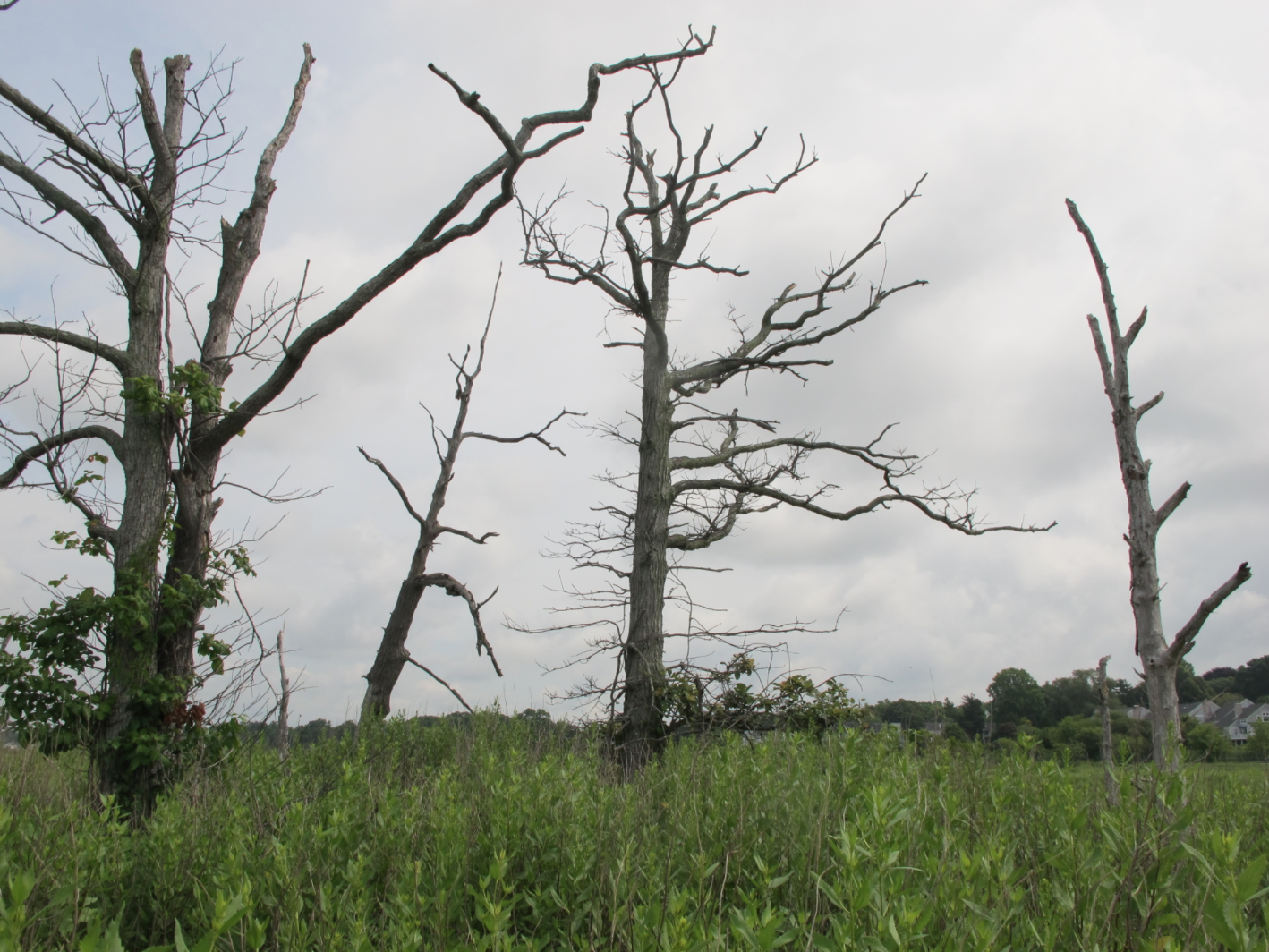
A tupelo tree in Rhode Island. Photo by Elizabeth Rush
What story is this rampike writing? Is it warning us that it is too late to save our planet from an apocalyptic sea change? Or an omen to act quickly, boldly? It whispers, “Listen to the earth with all of your senses, then flood the world with empathy.“
A rampike is a dead tree that is still standing. Rush writes about the proliferation of rampikes in areas where the salinity of the ground water due to rising seas is killing forests all along the east coast of the United States. You can learn more about this devastation here.
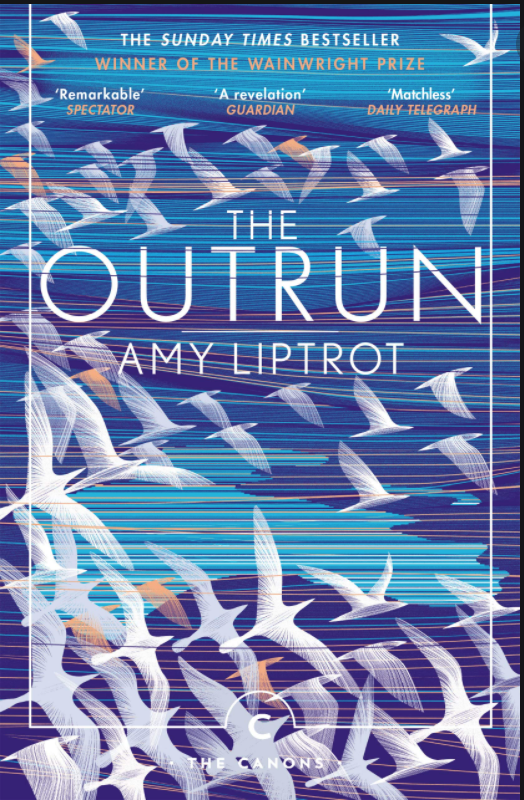
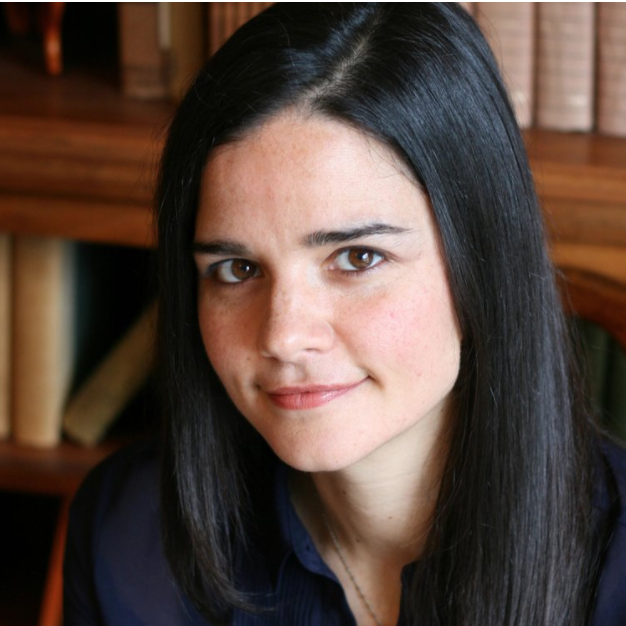
Amy Liptrot is one of the youngest writers profiled in Writing Wild, but the story of her descent into alcoholism and eventual recovery is riveting. Kathryn Aalto calls Liptrot’s memoir, The Outrun(2015), “both a modern recovery story and classic nature writing–a celebration of a particular place and the search for how best to live in the world.”
Photo Credit: Lisa Swarna Khanna
As I listened to Liptrot discuss her book on 5 x 15, I was captivated by her description of the grimlins, a word derived from Norwegian that means “twilight, the first or last gleams of daylight.” We have lovely twilights here in Connecticut, but apparently, the grimlins or “da simmer dims,” as they’re also called, are spectacular in the Orkney Islands. I couldn’t resist using this word to inspire today’s haiku.
at the edge of day twilight’s glimmer-glow enfolds the world in magic
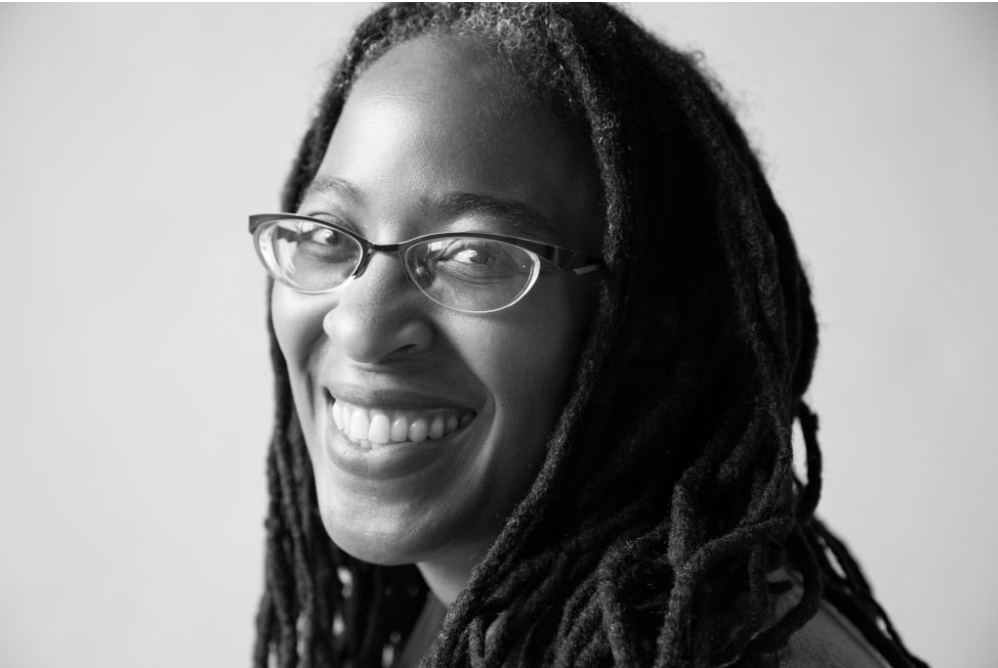
Kathryn Aalto says that Elena Passarello‘s book, Animals Strike Curious Poses (2017) “is the best book on animals I’ve read.” (p. 228) She goes on to say that “Passarello’s writing is playful” with “a tender poignancy” underlying each essay. Her writing is also infused with empathy, which is on full display in her first book of essays, Let Me Clear My Throat (2012). In this collection, Passarello writes “about the relationship of voice to identity.“
Photo credit Wendy Madar
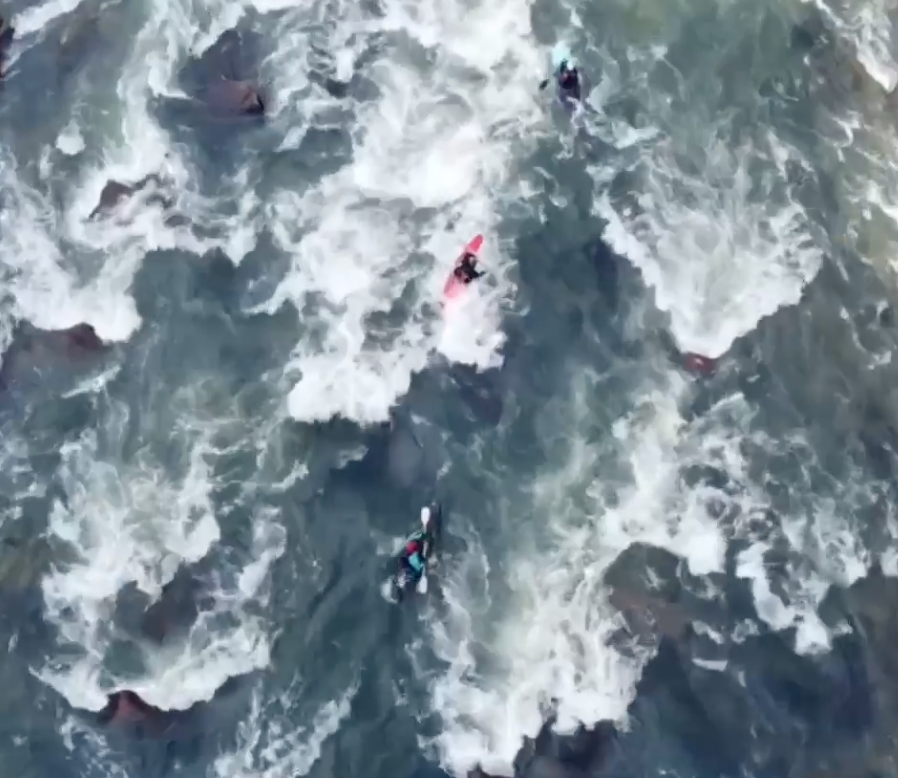
Exploring this relationship between voice and identity has emerged as a common thread between the writers profiled in Writing Wild. As I pondered how to write a poem in response to Passarello’s work, I watched a video my son posted on Instagram of him running a rapid on a river in North Carolina. I thought about the years of kayaking he’s done and how that experience allows him to “read” the river, to listen to the river’s voice, so he can safely navigate his way through the rocks. Every river has a distinctive voice, and unfortunately, we don’t always listen to what they are telling us. I decided to write a “scavenger hunt” poem, explained by Amanda Gorman in this video. I didn’t follow Gorman’s directions exactly, but I gathered a nice assortment of words (highlighted in bold) to include in my poem, which is still very “drafty.”
Slip into your boat. Borders evaporate. You and the river converge. Be still. Listen.
The murmuring river has a tale to tell. Tongues of water curl, vees form, marking a path through the wildtumult of froth and foam.
Here is a happy surprise from this project. Not only have I been introduced to many amazing, thought-provoking writers, I’ve also delved more deeply into the work of writers I had read before but had only skimmed the surface of their work. This is true of Camille T. Dungy. I am in awe of the scope of her writing, of her precise imagery and powerful metaphors.
Kathryn Aalto describes Dungy as a “master of poetic synthesis” who “fuses fact, observation and revelation to offer poetry’s inevitable surprise.” (p. 218) Dungy is a poet, essayist, and professor of writing. She is a 2019 Guggenheim Fellowship recipient whose writing has won the American Book Award. She states that she is “never not thinking about nature. Because I don’t understand a way we can be honest about who we are without understanding that we are nature.” (Aalto, p. 218)
When asked by Aalto what she wants “people to get out of her poems” Dungy explained to that she wants them to find “beauty and the heightened craft that comes from looking at everyday objects with respect.” (p. 223)
I had several false starts finding a way to respond to Dungy’s stunning poetry and essays. In the end, I let Dungy’s words speak for themselves in this cento.
Silence is one part of speech the impossible hope of the firefly imperceptible as air.
You are not required to understand.
This is the world we have arranged, a complicated beauty.
The snow builds a mountain unto itself.
What happens today is fed by what I did yesterday. I will plant my seeds plant them for abundance tomorrow a demonstration of care evidence of the wild wonder of the world
and into the world: music. The song is drink, is color. Come. Now. Taste.
Welcome to the Poetry Friday Roundup! Wasn’t it thoughtful of April to begin on a Thursday this year, so we have five Fridays to celebrate National Poetry Month? There are number of amazing poetry projects happening at blogs around the Kidlitosphere. You can find a roundup of them at Susan Bruck’s lovely blog, Soul Blossom Living.
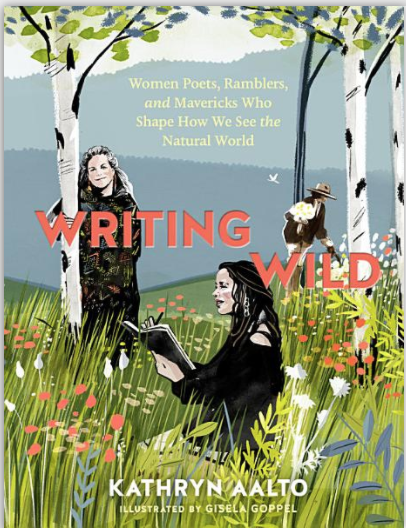
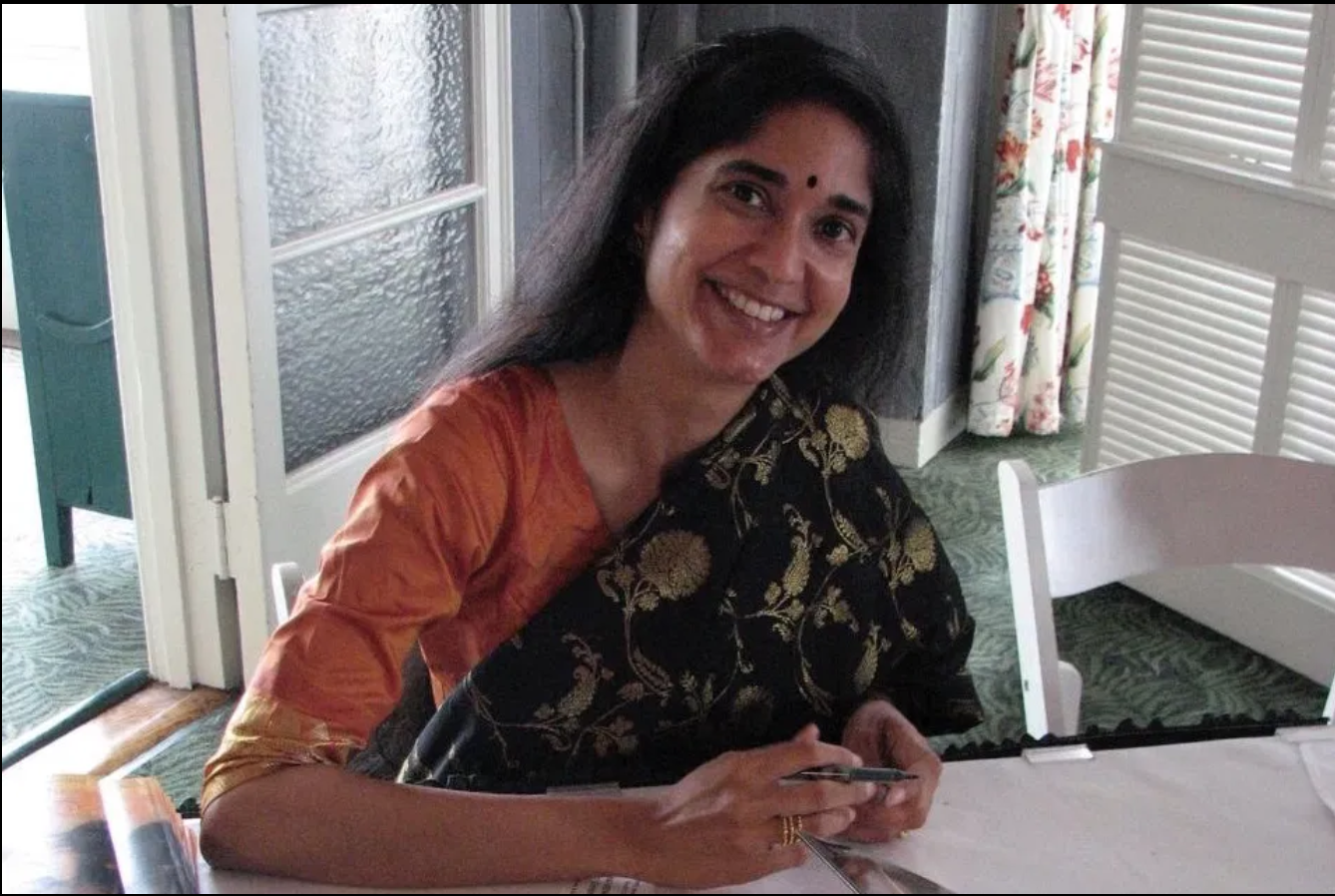
I’m taking a bit of a detour from my Writing Wild project, inspired by Writing Wild: Women Poets, Ramblers, and Mavericks Who Shaped How We See the Natural World, by Kathryn Aalto. Each day in April, I have written a poem inspired by one of the 25 trailblazing women profiled in Aalto’s book. Because there are 30 days in April, I chose another four authors recommended by Aalto. For today’s post, my inspiration comes from Padma Venkatraman, an author not included in Aalto’s book, but one who I think embodies the spirit of the other writers. I also wanted to diversify the list to include more writers of Asian descent.
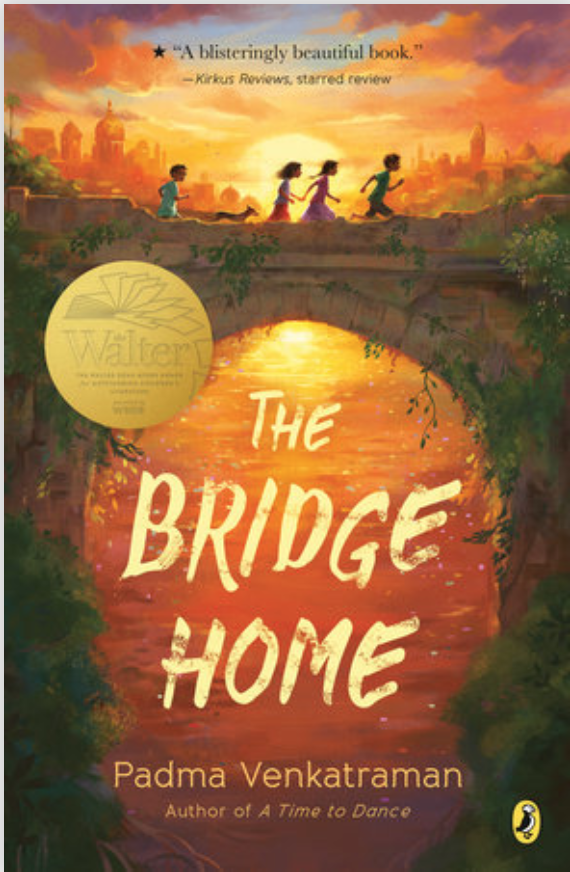
Padma Venkatraman trained as an oceanographer and now writes middle-grade and YA fiction as well as poetry for young people. Her beautiful, inspiring 2019 middle-grade novel, The Bridge Home, won the Walter Dean Myers Award and two of her poems appeared in this month’s issue of PoetryMagazine. In addition, she just launched “Diverse Verse… a website and a resource for educators and diverse poets and verse novelists.”
Today’s poem is my response to Venkatraman’s poetry prompt recently posted on Ethical ELA. In her introduction to the prompt, she stated that “as a writer who cares about young people, I feel compelled to preserve hope in the face of [hate crimes against Asians]. She challenged poets to write “a short poem dedicated to hope in defiance of hate.” Here is a draft of my response.
Finding Our Way
Can we agree we’ve gone astray? Lost sight of treasures untold. Our map’s completely upside down from chasing too much gold.
Some creatures are gone; they won’t return. But we can change this course. Protect each species; keep them safe And learn from our remorse.
Recognize your neighbors. Know and say their names. They’re living beings, just like you, treat everyone the same.
The world keeps changing bit by bit. We all can do our part to make the world a better place. The change starts in your heart.
Today’s featured author, Andrea Wulf, wrote one of my favorite books of all time. The Invention of Nature: Alexander von Humbolt’s New World (2015) is a breathtaking introduction to a man Wulf calls the inventor of “the web of life, the concept of nature as we know it today.” (Wulf, p. 6) In 2015, Wulf explained to Science Friday host Ira Flatow that “we have to use our imagination and emotion to understand nature,” and that we owe this understanding to Alexander von Humbolt.
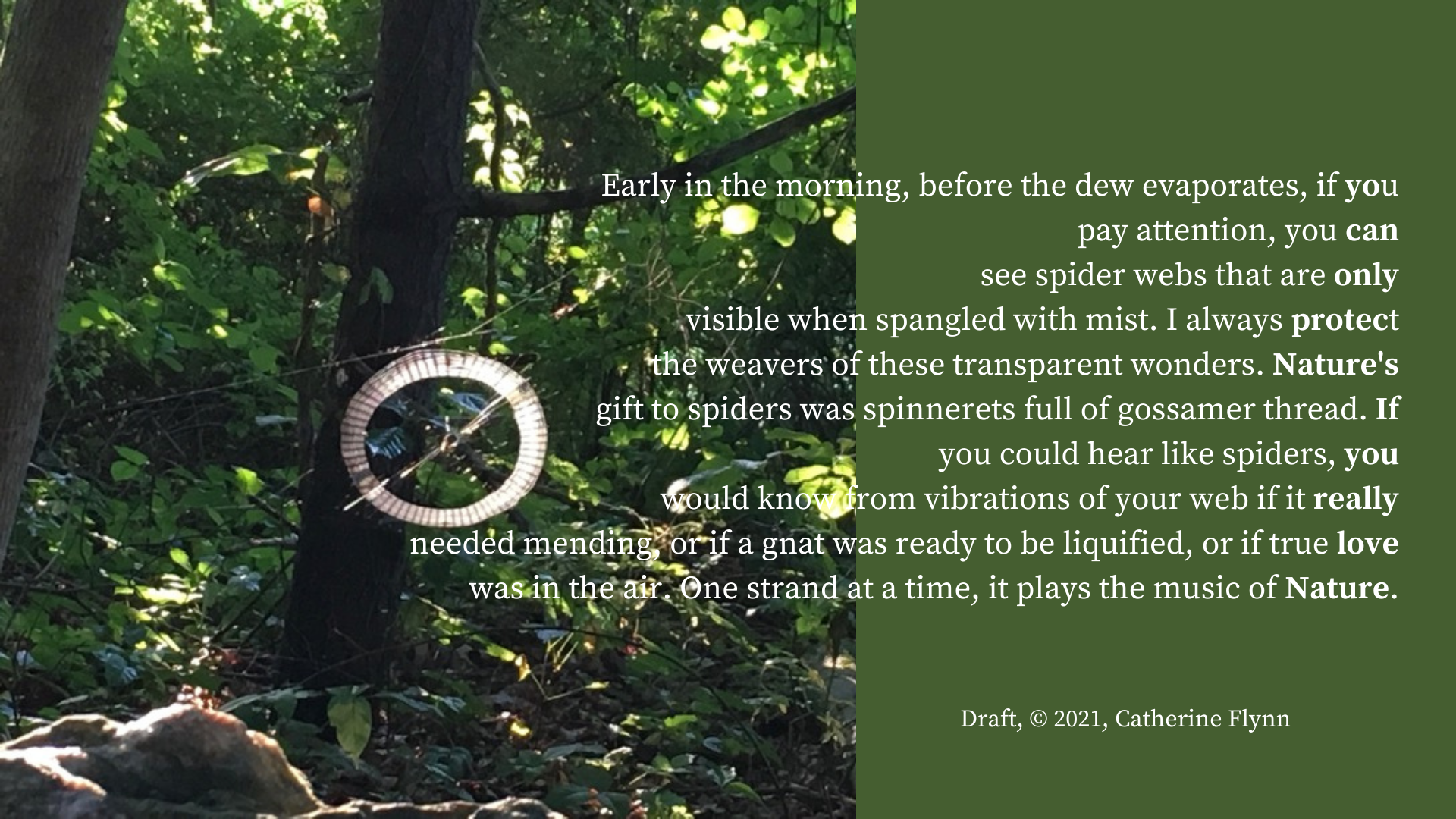
I’ve written another Golden Shovel today from a statement Andrea Wulf made during her 2015 interview on Science Friday. She said, “you can only protect nature if you really love nature.” That statement has been the driving force behind this project, and I feel certain it was the driving force behind Kathryn Aalto‘s creation of Writing Wild. I searched my memory for a time when my love of nature was palpable, and recalled the morning I spotted this stunning spider’s web. It was only as I was working on the poem that I remembered Wulf’s words and decided I had chosen the right topic for today’s poem.
In November of 2019, when the world still felt normal, I hosted a baby shower for my son and daughter-in-law. Wildfires were raging through Australia, and news reports were dire about the impact on wildlife, especially koalas. I remember saying to my cousin that I couldn’t imagine my granddaughter growing up in a world without koalas.
Today’s featured author is Saci Lloyd, whose novels imagine a world that is missing much more than koalas. Lloyd is a British teacher and writer of “cli-fi,” a genre that has “sprung from the ticking clock of climate change and explores the consequences of a warming planet.” (Aalto, p. 197). Written for teens, Lloyd’s books The Carbon Diaries 2015 (2009) and The Carbon Diaries 2017 (2010) are “a wonderfully mordant look at the coming environmental meltdown“. Lloyd explained her approach to Kathryn Aalto this way: “The urban kids I teach…have no upbringing in nature and so the humor is the bridge to get them there to care.” (Writing Wild, p. 199)
Writing a poem inspired by Lloyd’s work was quite a challenge. I desperately want people to care, but recognize the danger of being didactic. In the end, I opted for another Golden Shovel, using the end of this quote as my strike line. It may be didactic, but it’s the truth.
“Climate change is a massive issue. I believe we are a brilliant species. If we can do the things we’ve done already, we can fix this too.”
The question was never if. Glaciers are melting, fires are blazing. We (well, some of us) simply choose to ignore reality. Can we muster the will to act? We must do whatever our battered planet needs to heal. The survival of countless species is at stake. Things are at a tipping point. We’ve wasted too much time already. Damage has been done to the air, the water, the land. But we are resilient; we’ve met challenges in the past. We can rise to this challenge, too. We can fix what needs fixing. Create and innovate. We made this mess. Now it’s time to clean it up, before it’s too



 Reading to the Core